The Eyebrow Flash: Curiosity Made Visible
You walk into a room full of people you half-know, and one person across the space does something tiny with their face — eyebrows up, back down, gone in a blink. Suddenly you feel like you belong there.
Part 1: The Eyebrow Flash: Curiosity Made Visible — Concept
+5 XP on completion
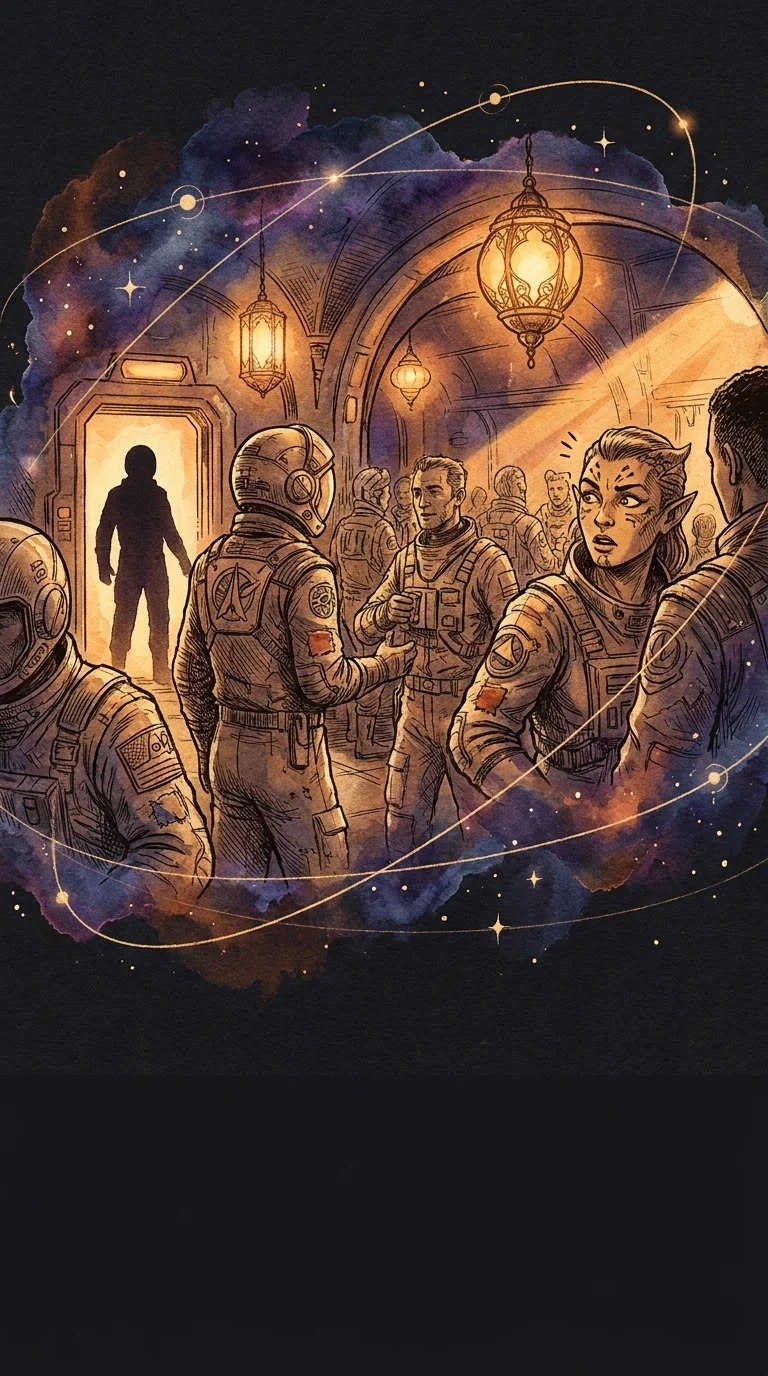
You walk into a room full of people you half-know, and one person across the space does something tiny with their face — eyebrows up, back down, gone in a blink. Suddenly you feel like you belong there.
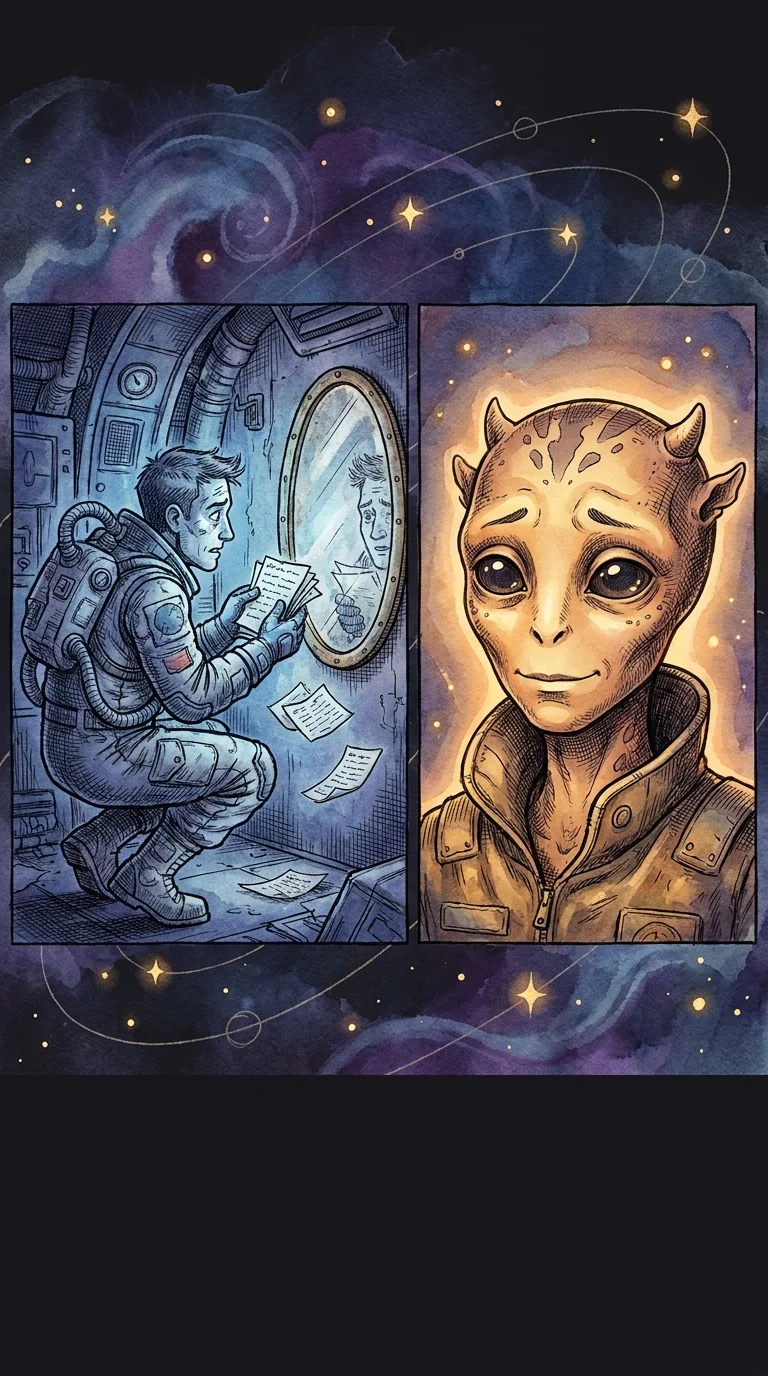
We spend enormous energy crafting greetings — the right words, the right handshake, the perfect opening line. Meanwhile the signal that actually lands takes less than half a second and doesn't use your mouth at all.
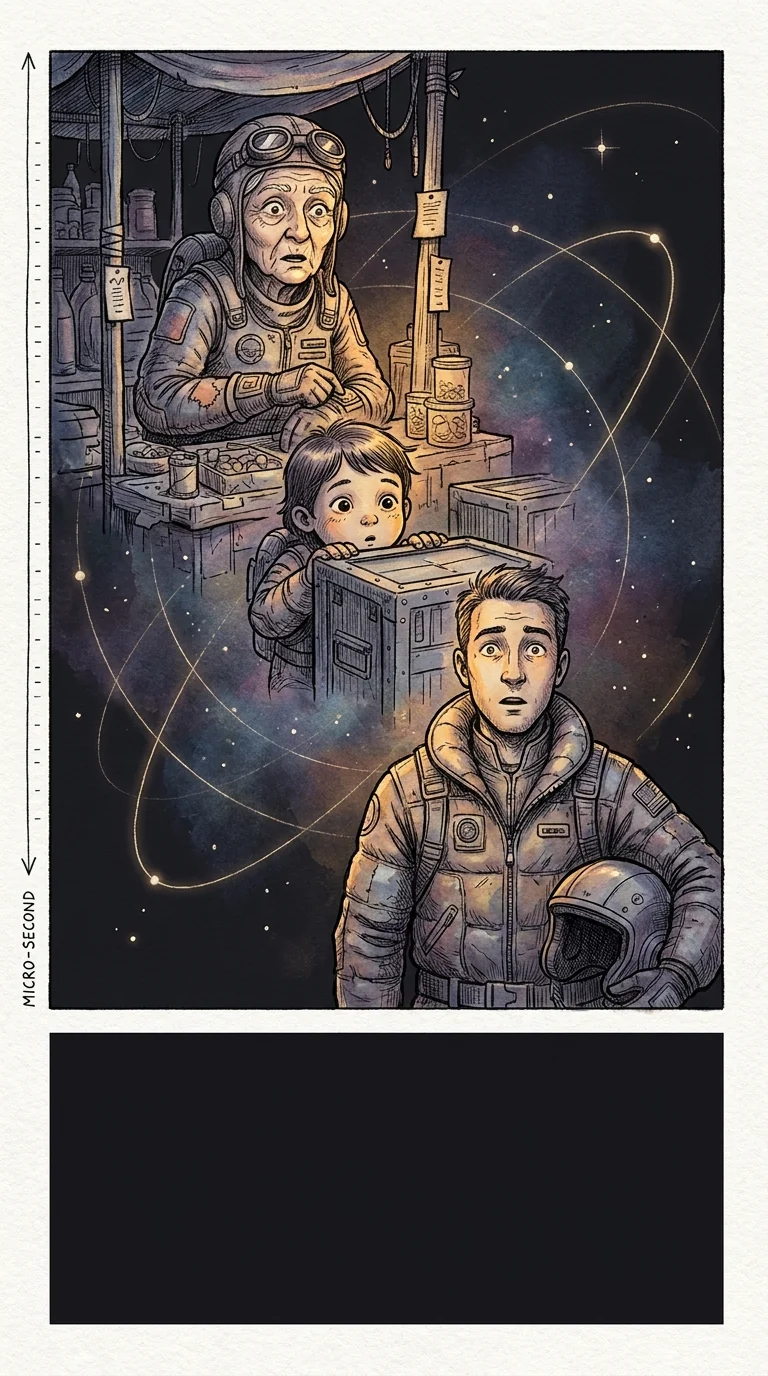
The eyebrow flash is ancient primate firmware — both brows lift fast, then drop. It means exactly one thing: I see you, and you're not a threat. Every culture on the planet does it. Babies do it before they can talk.
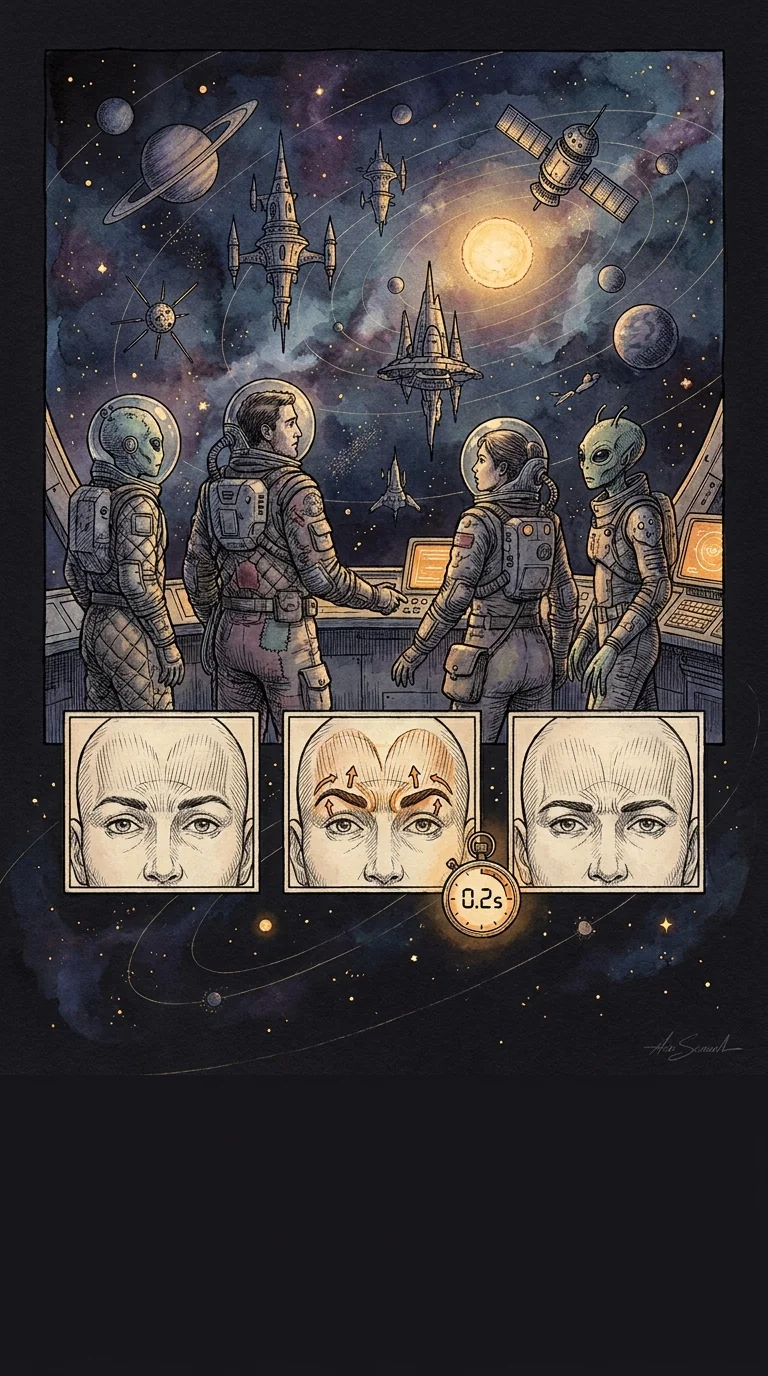
Here's the mechanic: both eyebrows rise together for roughly a fifth of a second, then return to neutral. It's involuntary when genuine — which is why faking it feels weird and holding it too long looks unhinged. The trick isn't performing it. It's noticing when you suppress it.
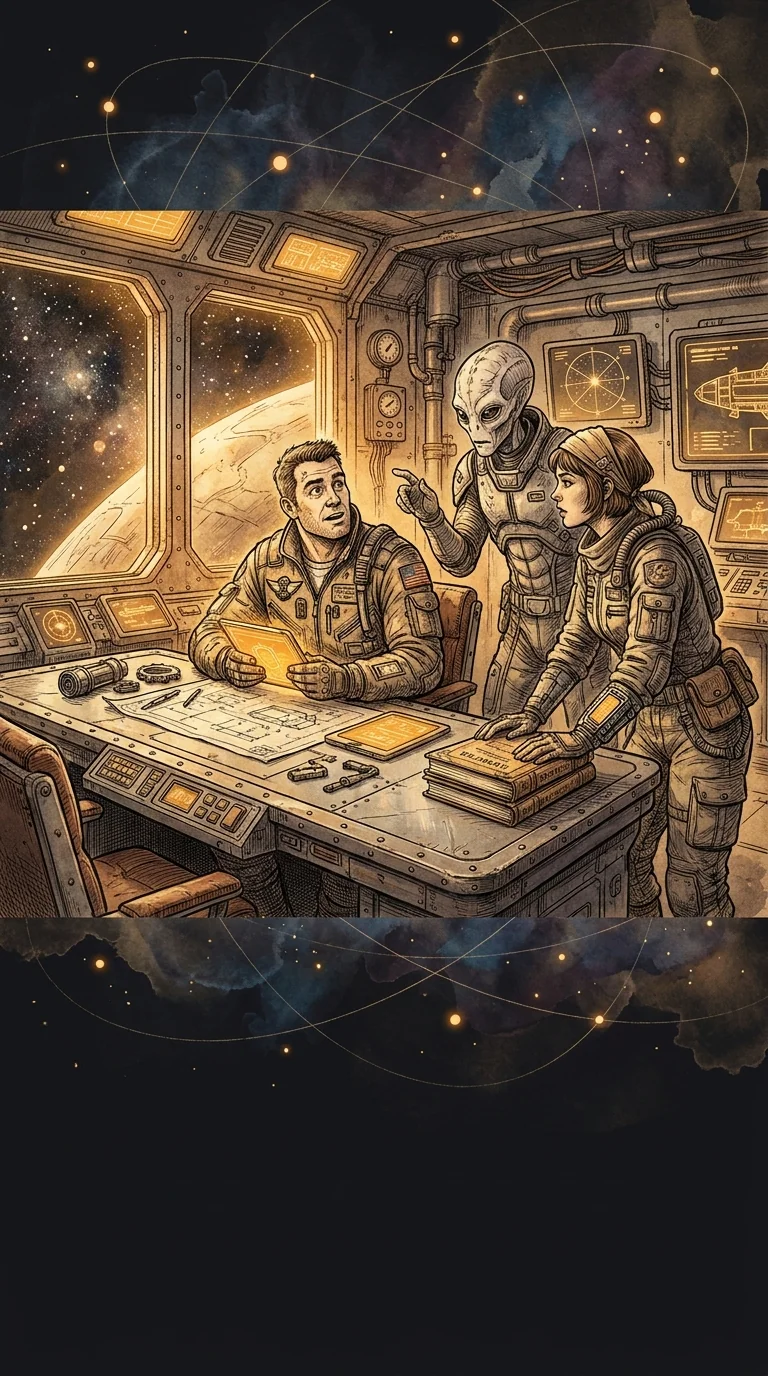
Marcus used to walk into the weekly ops meeting staring at his tablet, sliding into his chair like furniture. One week he looked up first — just long enough to catch three people's eyes with a quick brow raise. Nobody said anything about it. But two of them started routing questions to him instead of around him. Funny how visible curiosity makes you visible.
A fifth of a second. No words. No rehearsal. Just your face saying what your mouth is too slow to manage: you matter, and I noticed. In Part 2, you'll practice spotting and sending the eyebrow flash in real encounters. See you there.
Part 2: The Eyebrow Flash: Curiosity Made Visible — Practice
+10 XP on completion
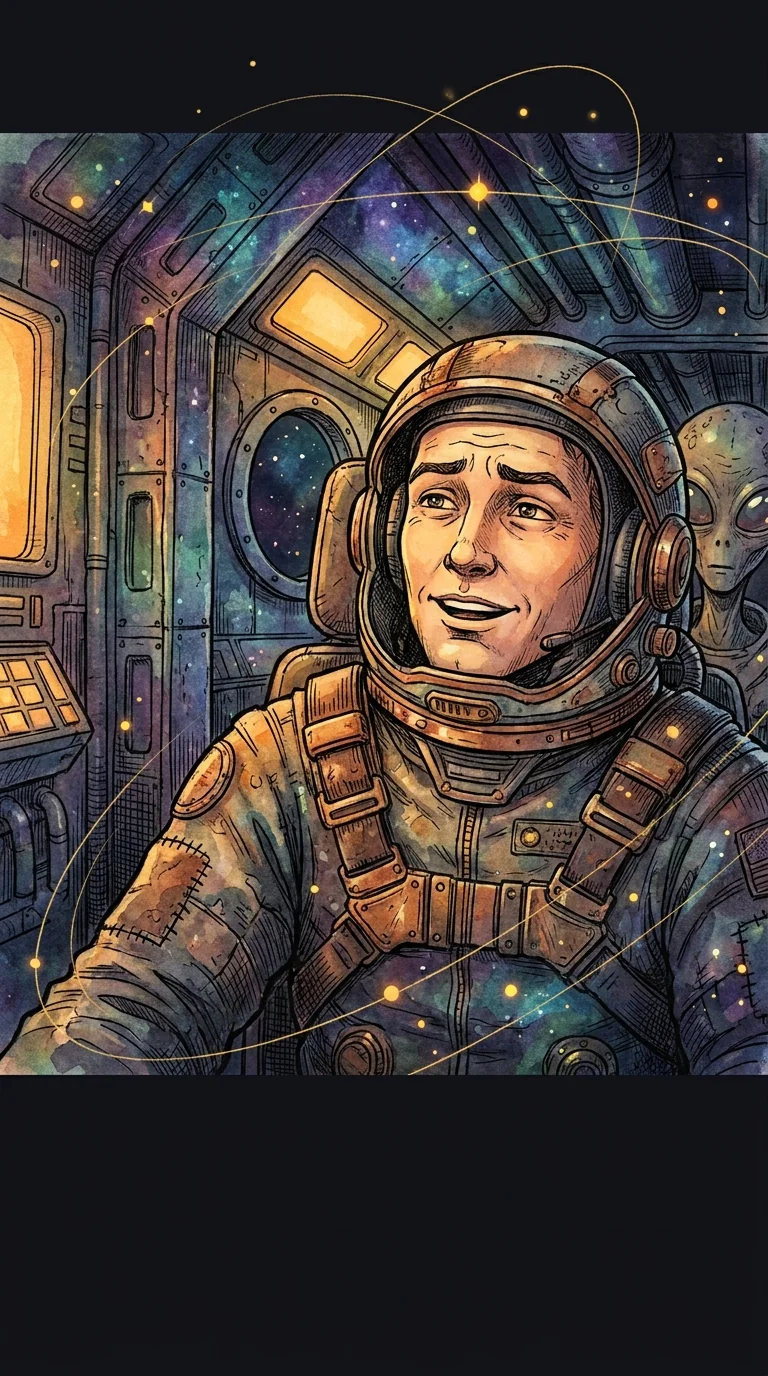
Half a second. Both eyebrows up and back. That's all it takes to say 'I see you, and I'm glad about it' — without opening your mouth once.
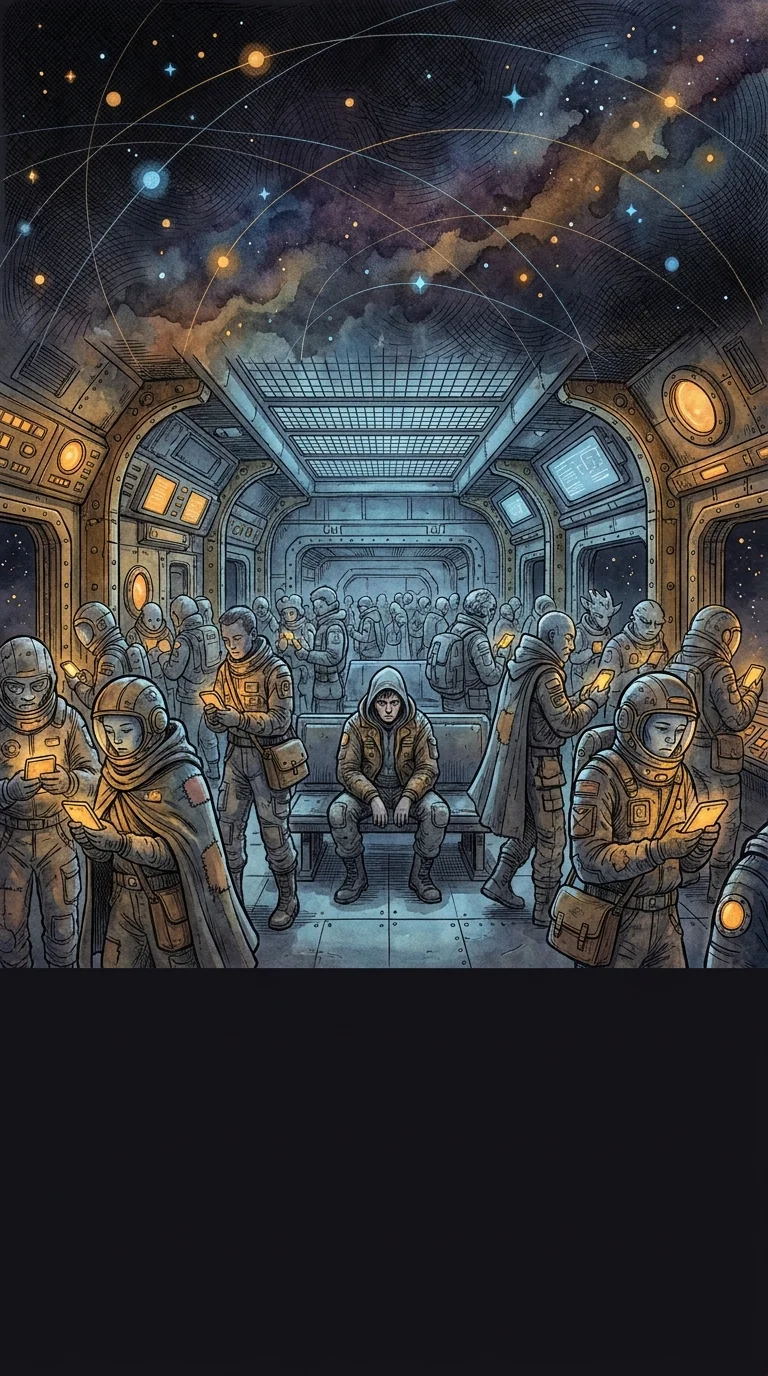
Most greetings are on autopilot — a nod, a mumbled 'hey,' eyes already sliding past. The other person registers as scenery. Congratulations, you've just made a human feel like furniture.
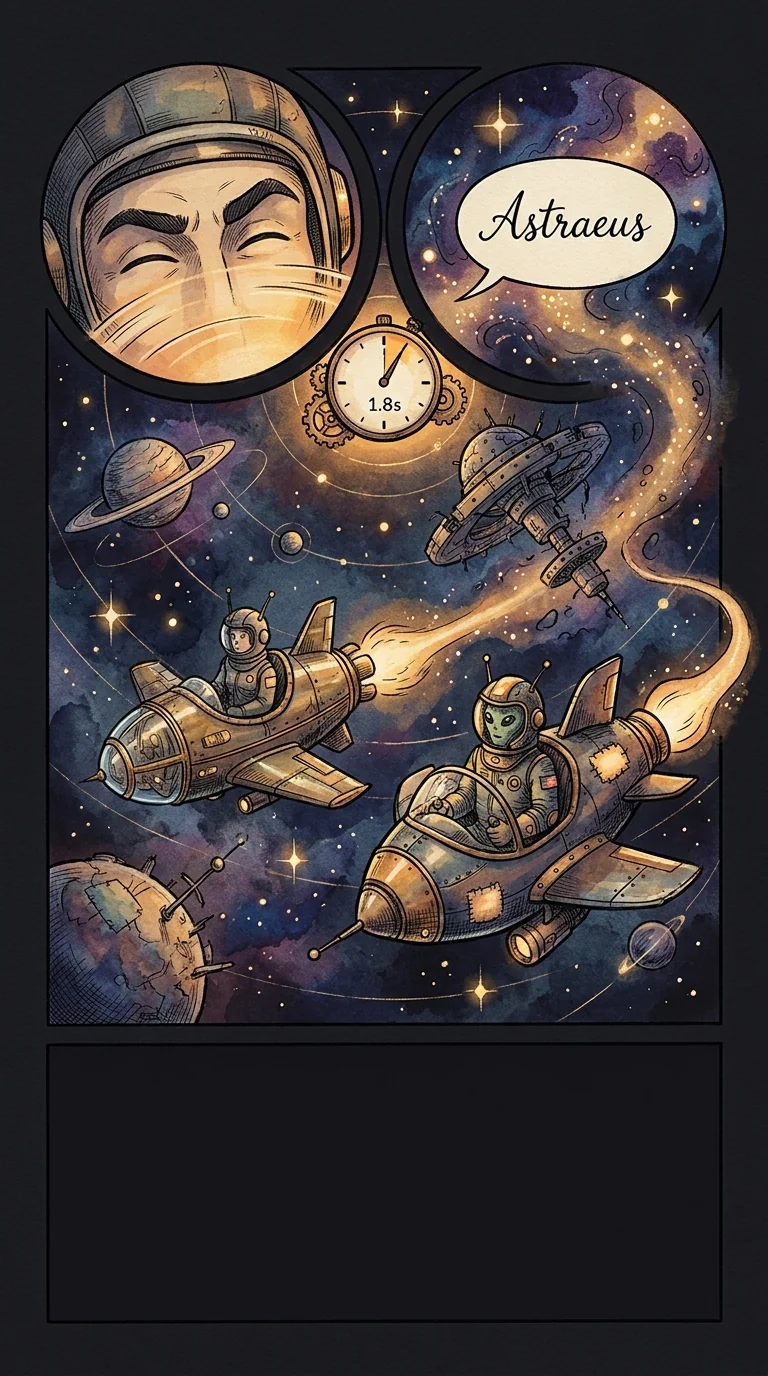
The technique is called the Flash-and-Name. You raise both eyebrows the instant you recognize someone — then you say their name. Recognition plus identity in under two seconds. It hits like a small, warm collision.
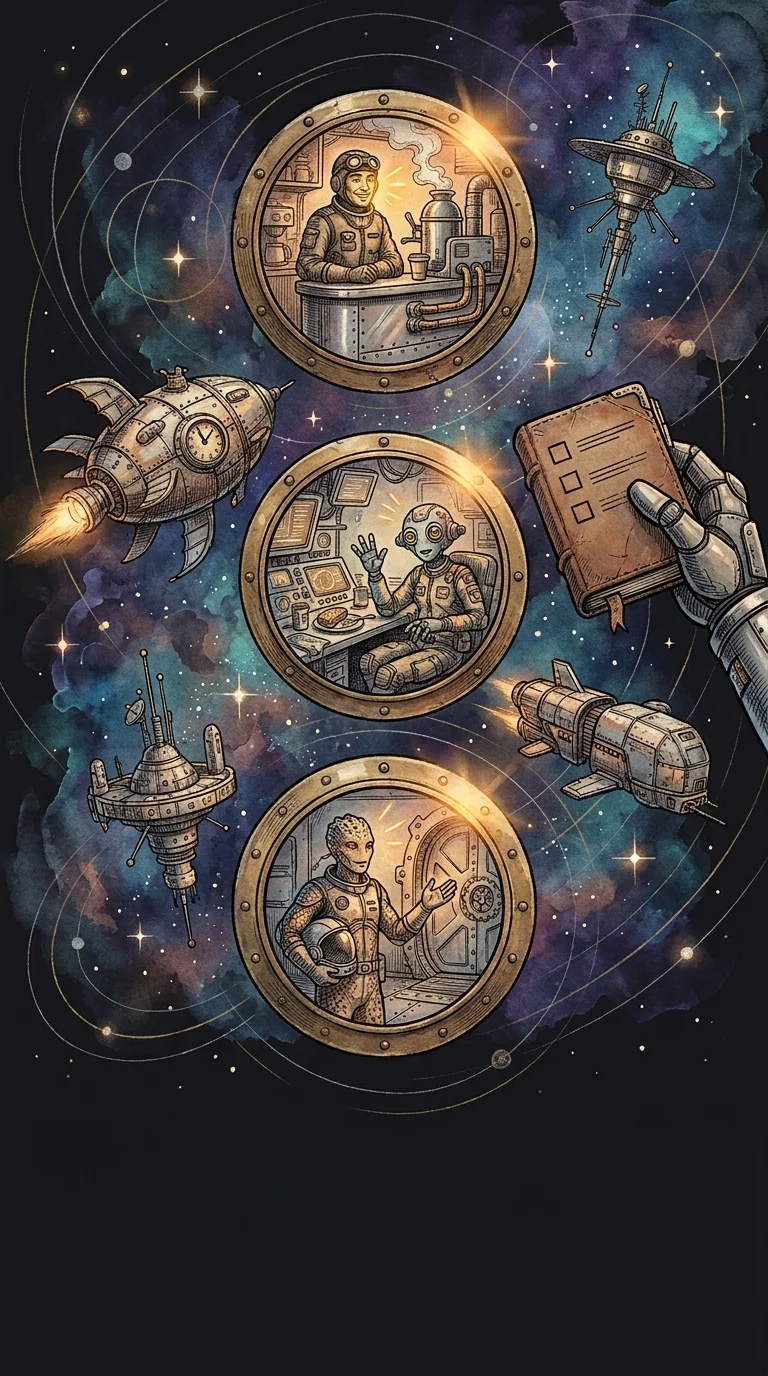
Here's your practice: do the Flash-and-Name with three people today. Coworker, barista, neighbor — doesn't matter. Eyebrows up on sight, their name within a breath. Notice what their face does in return.
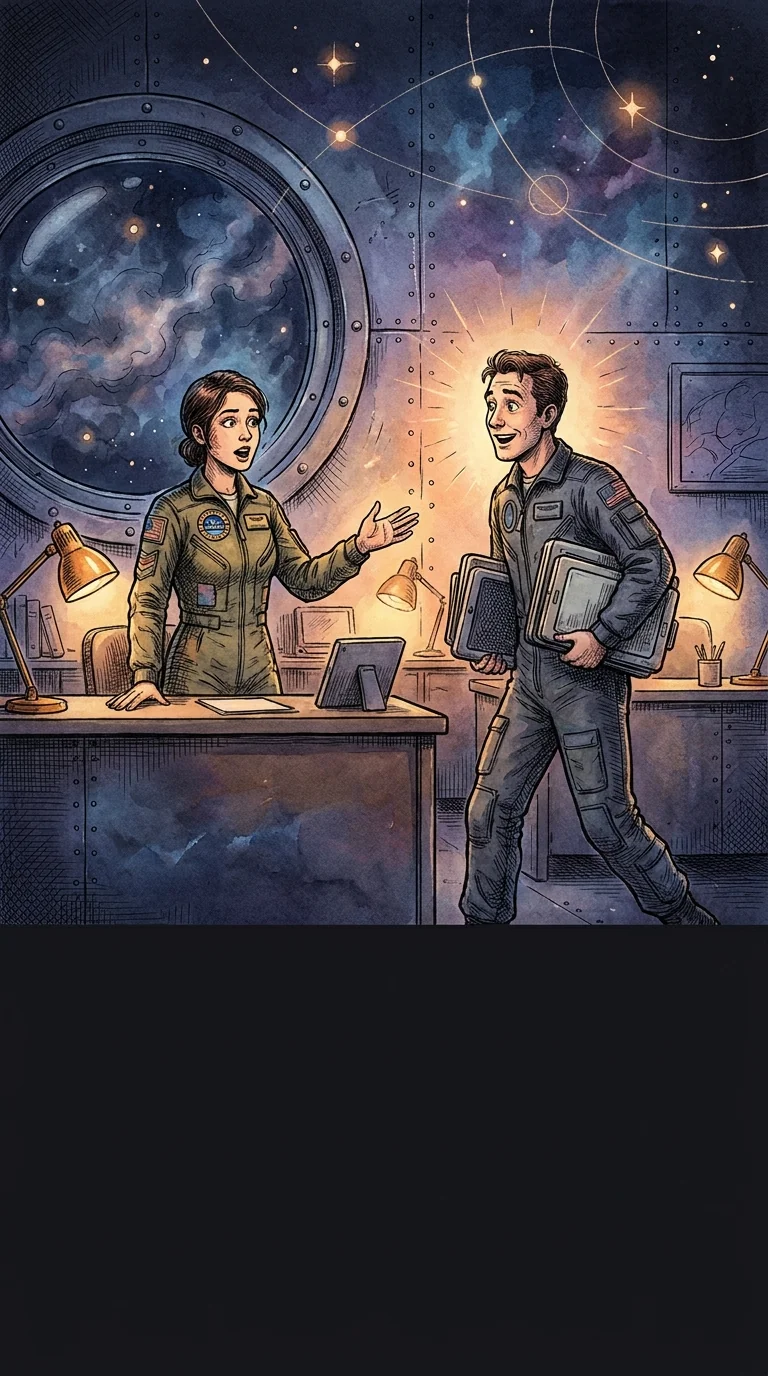
Lisa tried it on a colleague she'd worked beside for two years but barely greeted. Eyebrows up, 'Hey, Marcus.' He stopped walking. Actually stopped. 'Nobody uses my name around here,' he said. Then he smiled like she'd handed him something he'd lost.
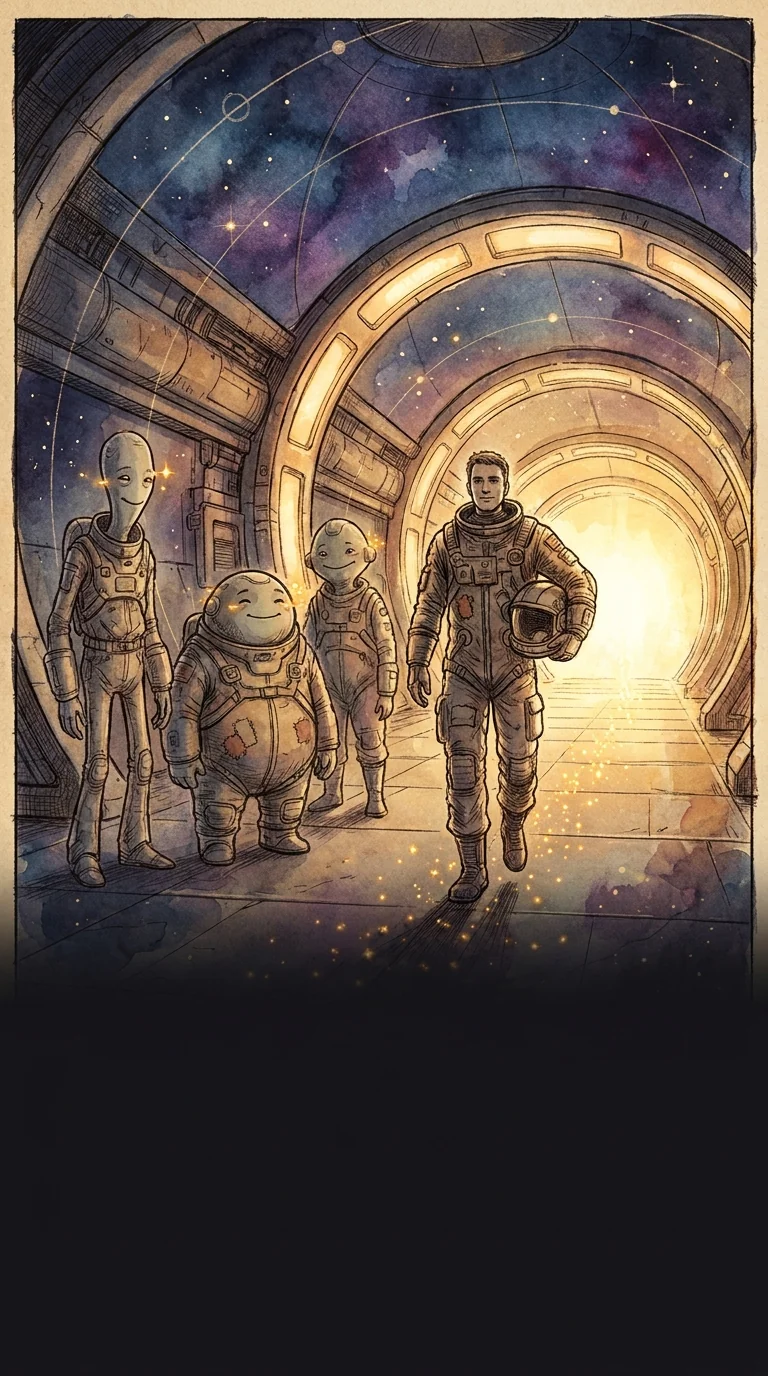
You now own a greeting that costs nothing and lands like a gift. Three flashes today, and you'll start noticing something — people light up when they feel seen. That part never gets old.