Lean In: Using Space as Emphasis
You've been in a conversation where someone leaned forward — just a few inches — and suddenly everything they said next landed harder. Those inches weren't accidental.
Part 1: Lean In: Using Space as Emphasis — Concept
+5 XP on completion

You've been in a conversation where someone leaned forward — just a few inches — and suddenly everything they said next landed harder. Those inches weren't accidental.

We treat physical distance like it's fixed — as if where we stand or sit is just logistics. So we deliver our most important words from the same position we used for small talk about the weather.

Moving closer is one of the oldest trust signals your body knows how to send. A deliberate lean says: this moment matters more than the ones before it. Your proximity is punctuation.

It works because proximity triggers ancient wiring — closeness means safety, or threat. When the context is safe, leaning in tells the other person's nervous system: I'm choosing to be closer to you right now. That's not a small thing.

Marcus noticed his teammate Sarah kept brushing off his feedback in their one-on-ones. One day he tried something different — when he got to the part that mattered, he set down his tablet, leaned forward, and said the same words he always said. This time, Sarah stopped scrolling and looked up.
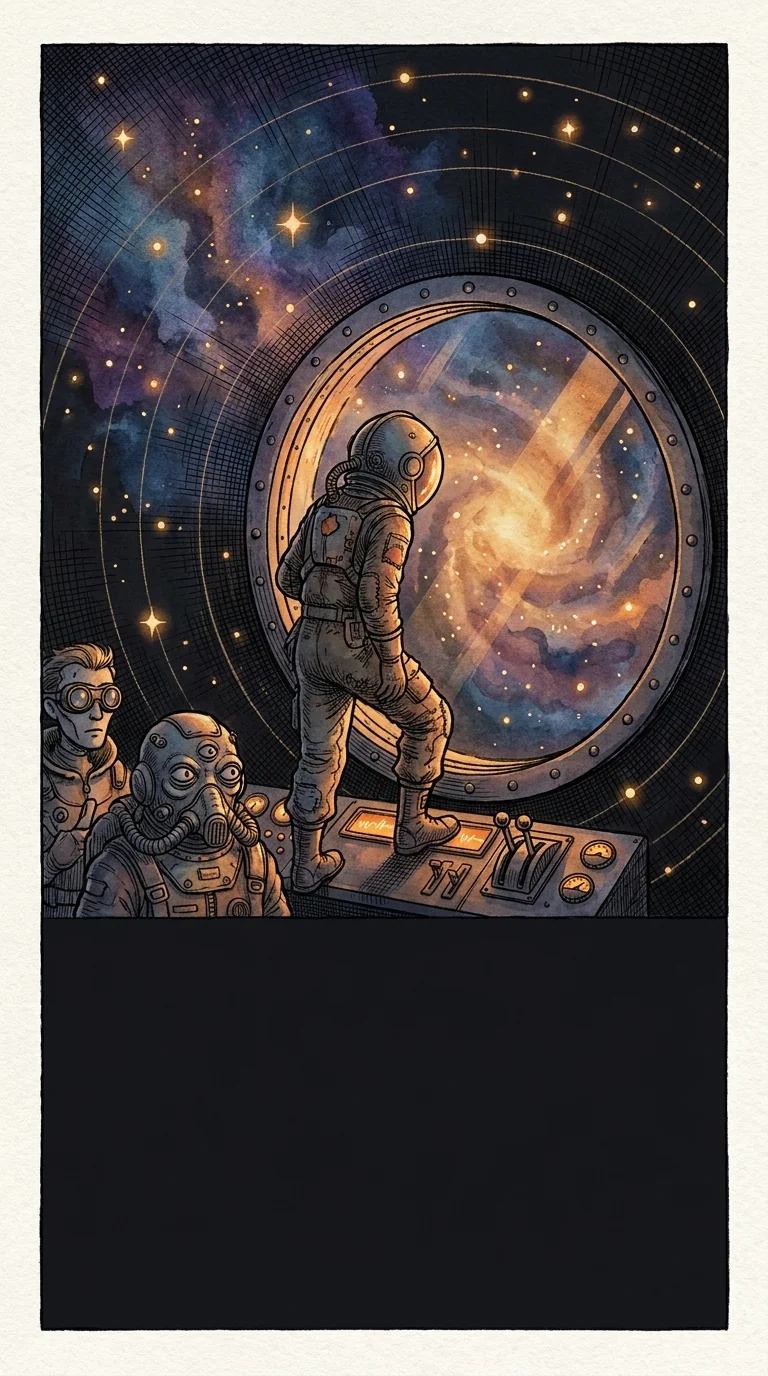
Space isn't just geography. It's emphasis you can feel before a word is spoken. In Part 2, you'll practice choosing your lean-in moments — the deliberate shift that tells someone this part counts. See you there.
Part 2: Lean In: Using Space as Emphasis — Practice
+10 XP on completion

Closing distance — even six inches — tells the other person's nervous system: this part is the part that matters. Your body is a volume knob.
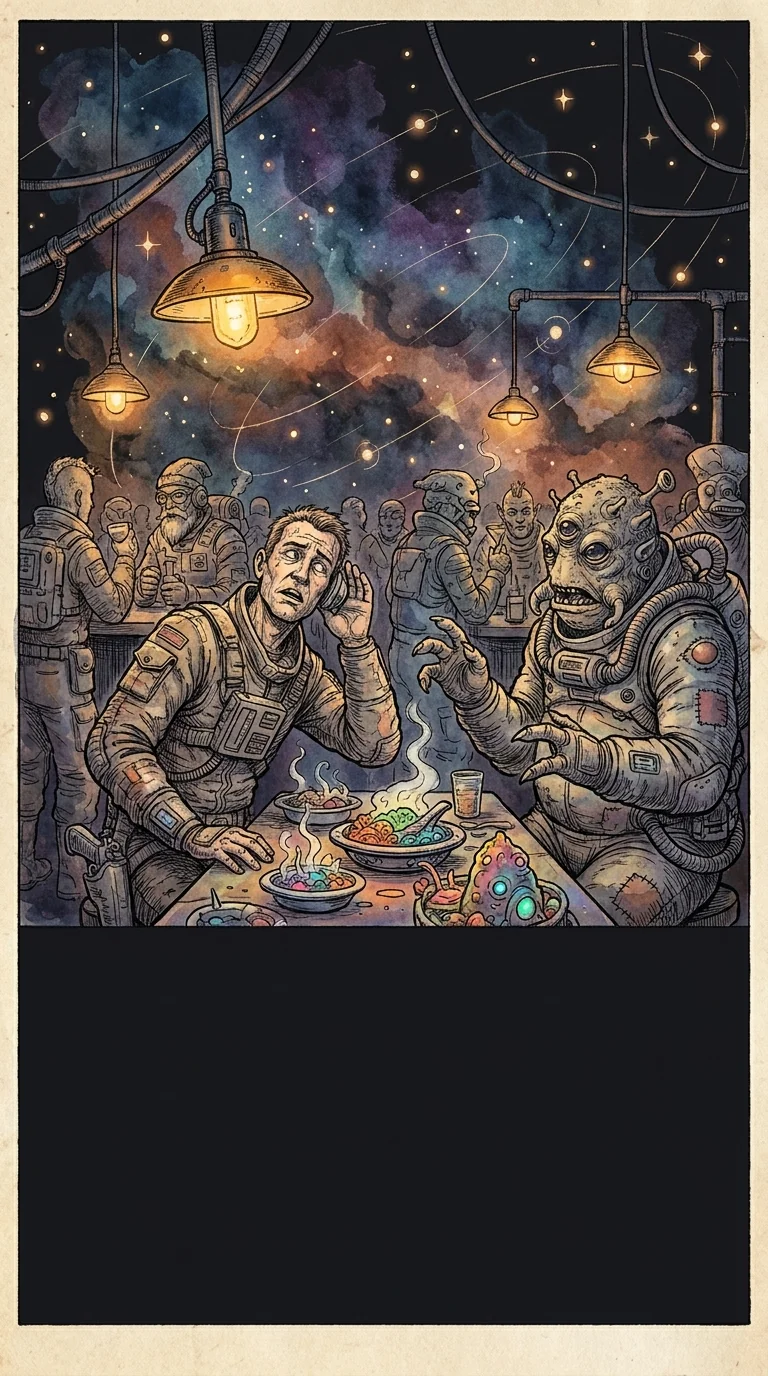
Most leans are accidental — you slouch toward someone because you can't hear them, or you're reaching for the salt. That's not emphasis. That's gravity and poor acoustics.

The technique is called the Deliberate Shift. You stay settled at your normal distance — and when the conversation hits something that genuinely matters, you move forward a few inches, hold, and stay. One shift per conversation. That's the whole trick.

Here's how it works: keep your back against the chair until you hear the sentence that actually needs your weight behind it. Then lean. Elbows on the table, eyes steady, voice half a notch lower. Stay there. Don't bounce back like nothing happened.

Sarah tried it during a one-on-one with a teammate who'd been quietly struggling. Twenty minutes of normal distance — then, when he finally said what was really wrong, she shifted forward six inches and held. He stopped mid-sentence, exhaled, and kept going deeper. She didn't say a word. She didn't have to.

You've got a new instrument now — and it's measured in inches, not words. Use it once today. Pick the moment that deserves your whole attention, and close the gap. You'll feel it land.