Reading Micropositives and Micronegatives
You've been waiting for the big tell — the dramatic jaw clench, the single tear, the fist on the table. Meanwhile, the actual emotional data has been streaming past you in tiny packets you keep ignoring.
Part 1: Reading Micropositives and Micronegatives — Concept
+5 XP on completion

You've been waiting for the big tell — the dramatic jaw clench, the single tear, the fist on the table. Meanwhile, the actual emotional data has been streaming past you in tiny packets you keep ignoring.
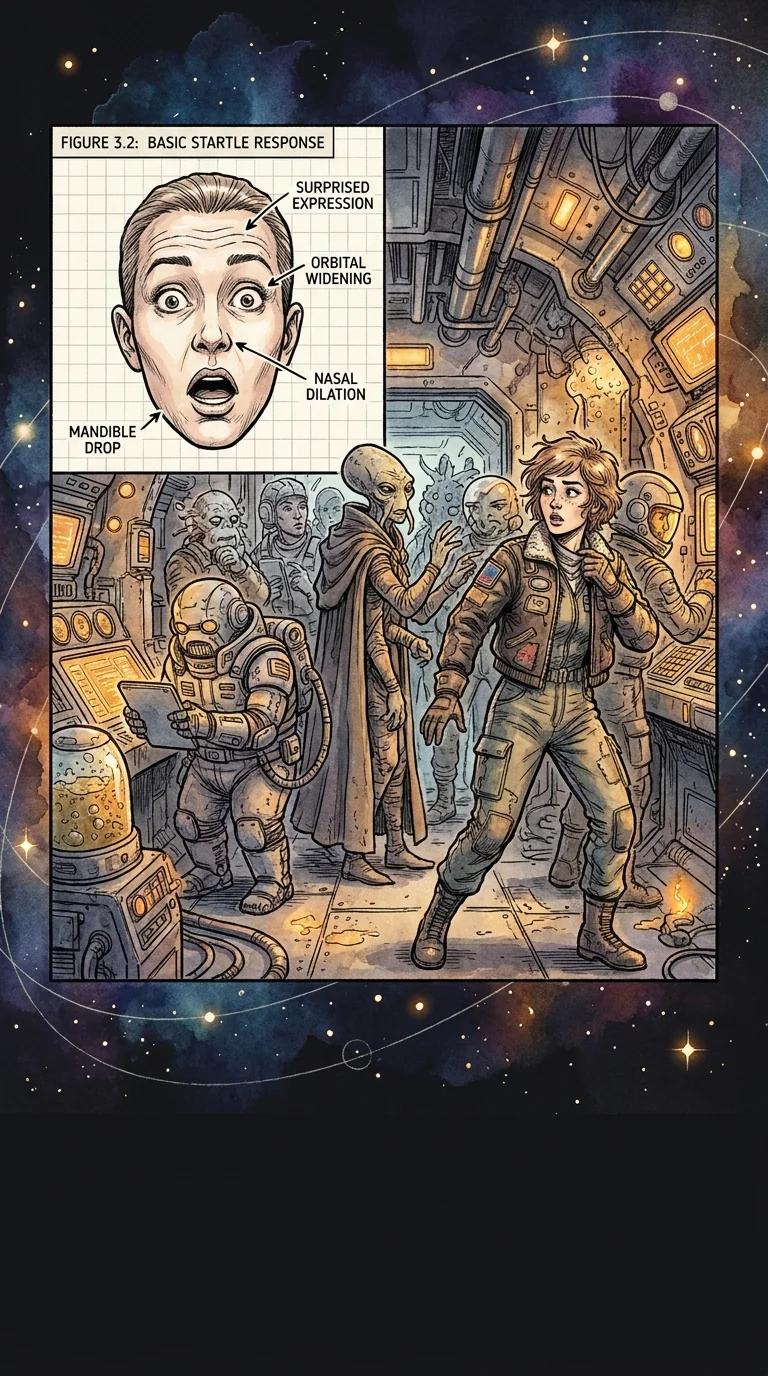
Pop psychology sold you on the idea that emotions flash across faces in dramatic, readable bursts — one micro-expression you can catch if you're fast enough. Real life doesn't work like a training video. Real life works in clusters.

Emotional information arrives like weather — not a single lightning bolt but a pressure system. Micropositives are the small warm fronts: a foot angling toward you, a vocal pitch lifting, shoulders dropping half an inch. Micronegatives are the chill: a bag pulled closer, a reply that's one word shorter than it needs to be. You read the climate, not the single cloud.

Stop hunting for the one big signal. Instead, run a three-second scan: count the micropositives and micronegatives in any cluster. Three warm signals together — open palms, steady eye contact, a lean-in — that's not ambiguous. Two cool signals stacked — a turned shoulder, a clipped response — that's data you can trust. Clusters don't lie the way single gestures can.

Marcus pitched a project to his team lead and watched for the big nod that never came. Dejected, he almost pulled the proposal. Then he replayed the conversation in his head — she'd uncrossed her arms, asked a follow-up question, and tilted her coffee toward him while listening. Three micropositives hiding in plain sight. She greenlit the project the next morning. Spoiler: she was never going to give him the big nod. She doesn't do those.

The big dramatic tell is a myth most of the time. The real story is written in clusters of small, quiet signals — and now you know what to count. In Part 2, you'll practice scanning for micropositive and micronegative clusters in real conversations. See you there.
Part 2: Reading Micropositives and Micronegatives — Practice
+10 XP on completion

Emotions don't arrive as billboard announcements — they trickle in as clusters of tiny signals, and you've got about three seconds to notice before the moment moves on.

Most of us wait for the big tell — the obvious frown, the unmistakable grin. By the time you see that, you've already missed twenty smaller signals that told the whole story first.
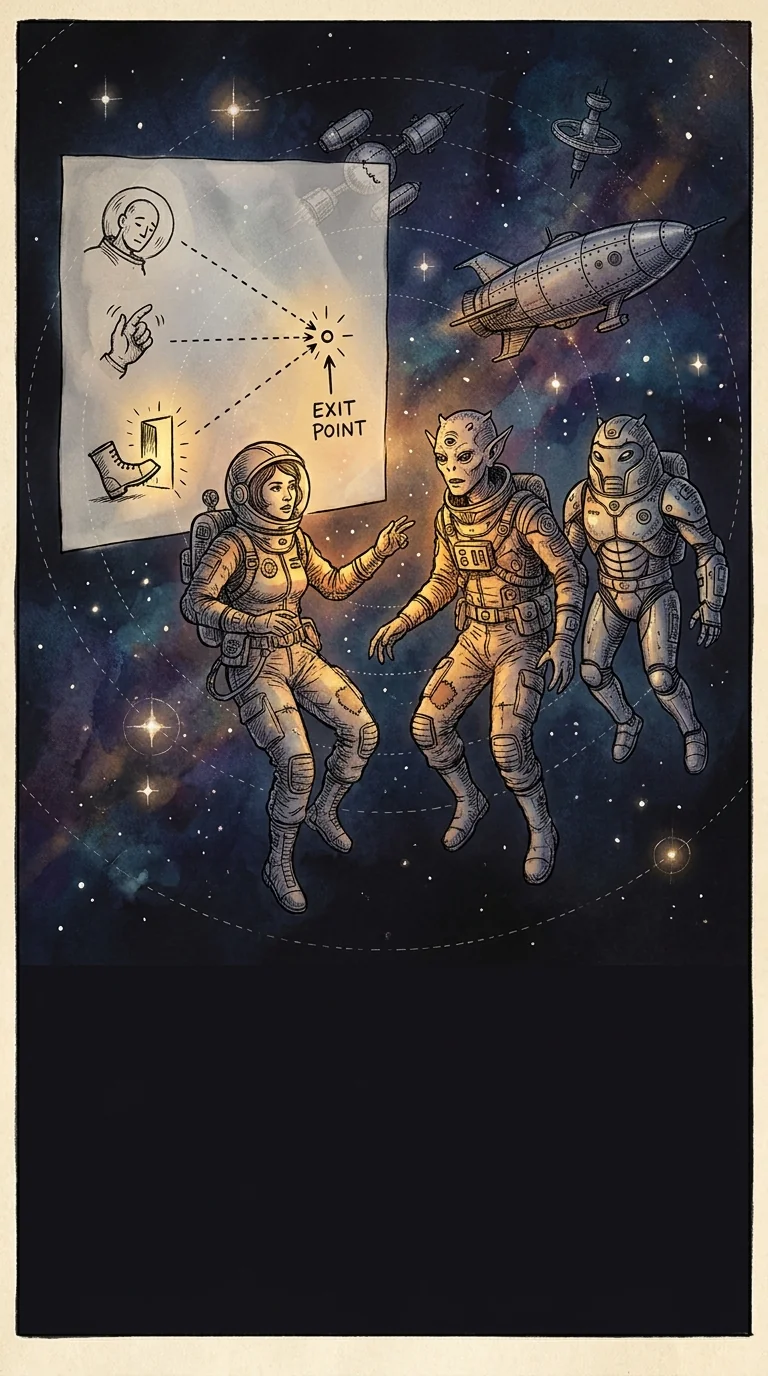
The technique is called the Signal Cluster Scan. Instead of hunting for one definitive expression, you watch for three or more small signals pointing the same direction within a few seconds. That's your read.
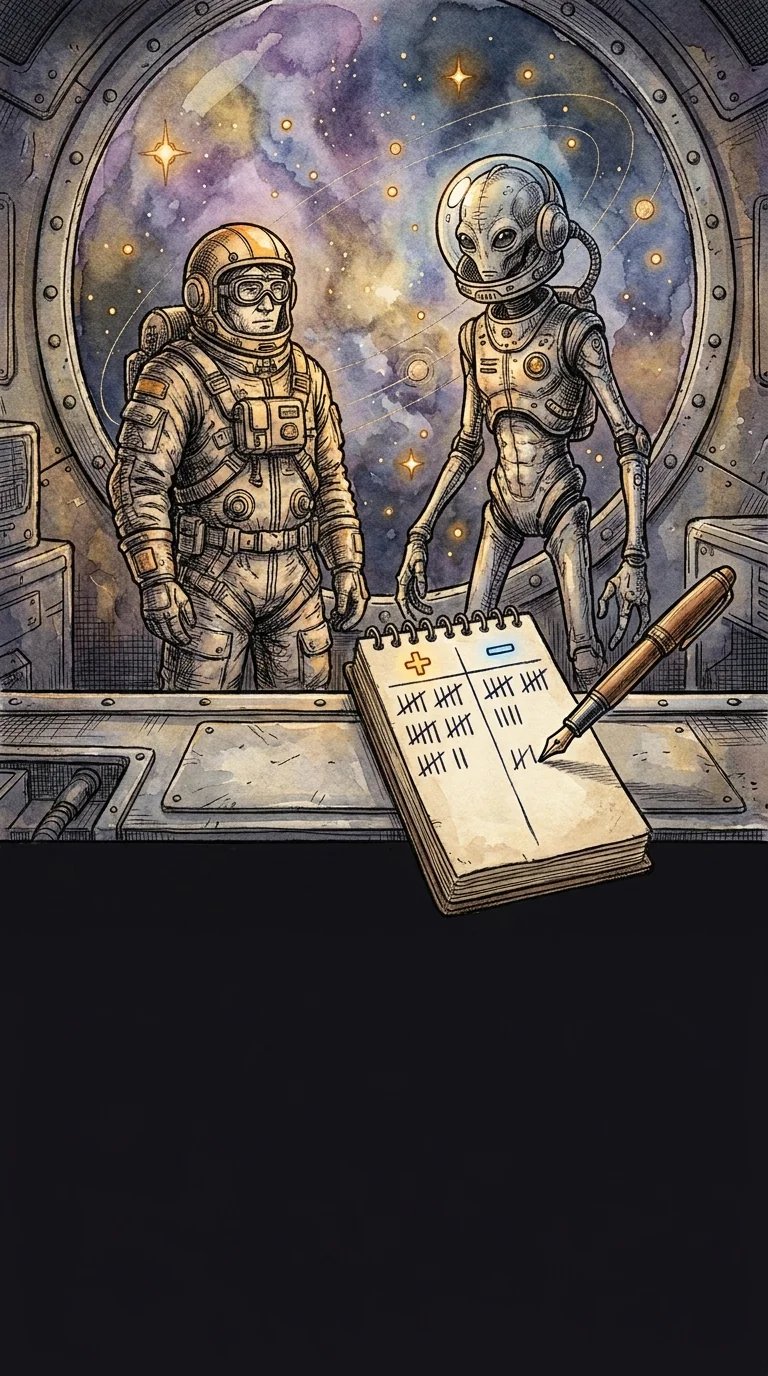
Here's how you practice: pick any conversation this week. Don't analyze — just tally. Count micropositives (lean-ins, nods, open palms, genuine eye crinkles) and micronegatives (lip presses, torso turns, self-touching, gaze breaks). Three or more in the same column within ten seconds? That's the cluster talking.

Lisa was pitching a project idea to her team lead. His words said 'interesting.' But she'd been counting: lip press, arms crossed tighter, a micro-lean backward — three micronegatives in six seconds. She paused, asked what his reservations were, and watched his whole posture soften. The real conversation started there.

You don't need superhuman perception. You need a habit of counting small things that point the same way. Start tallying this week — and watch how fast you begin reading rooms other people haven't even walked into yet.