Going Live: The Full Readout
Thirty days ago you walked in here not sure what 'reading a room' even meant. Now you've got instruments, instincts, and a slightly unsettling awareness of other people's micro-expressions.
Part 1: Going Live: The Full Readout — Concept
+5 XP on completion
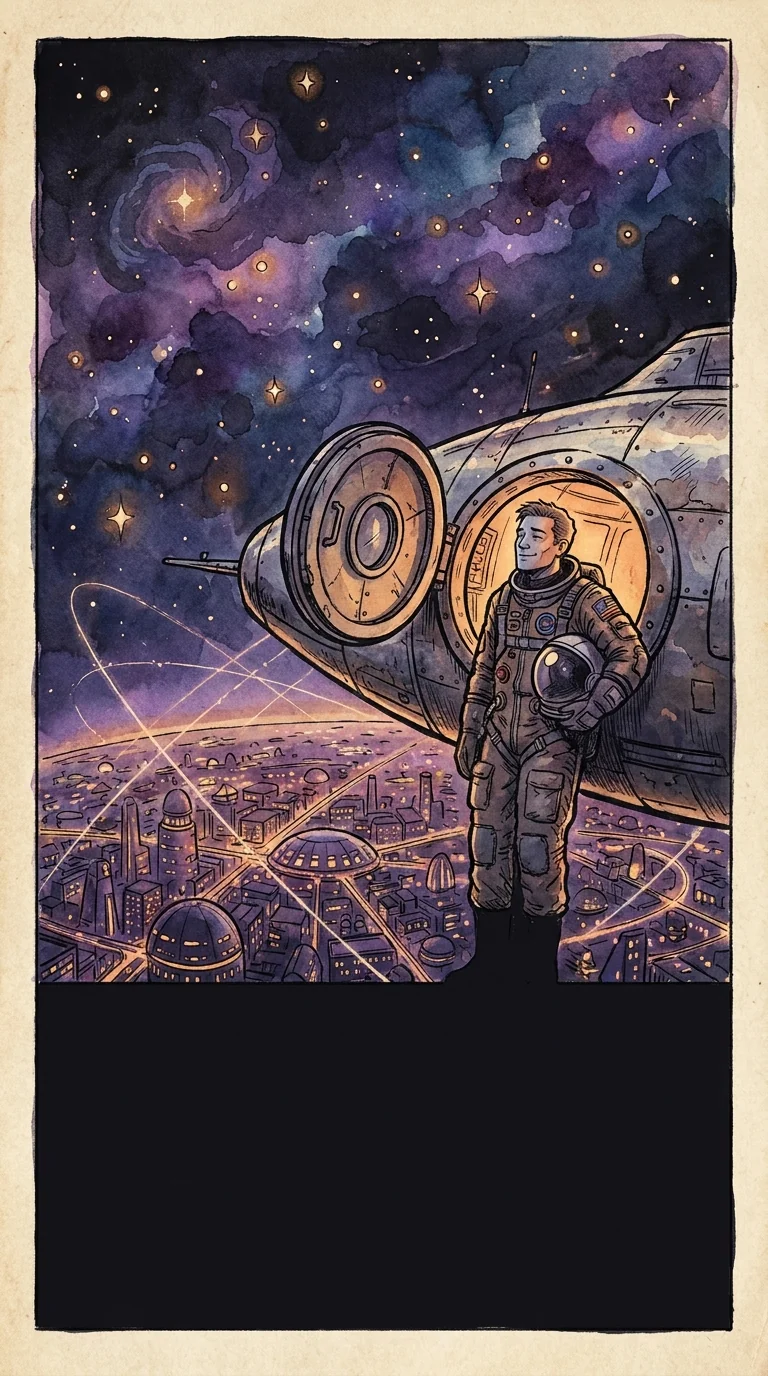
Thirty days ago you walked in here not sure what 'reading a room' even meant. Now you've got instruments, instincts, and a slightly unsettling awareness of other people's micro-expressions.
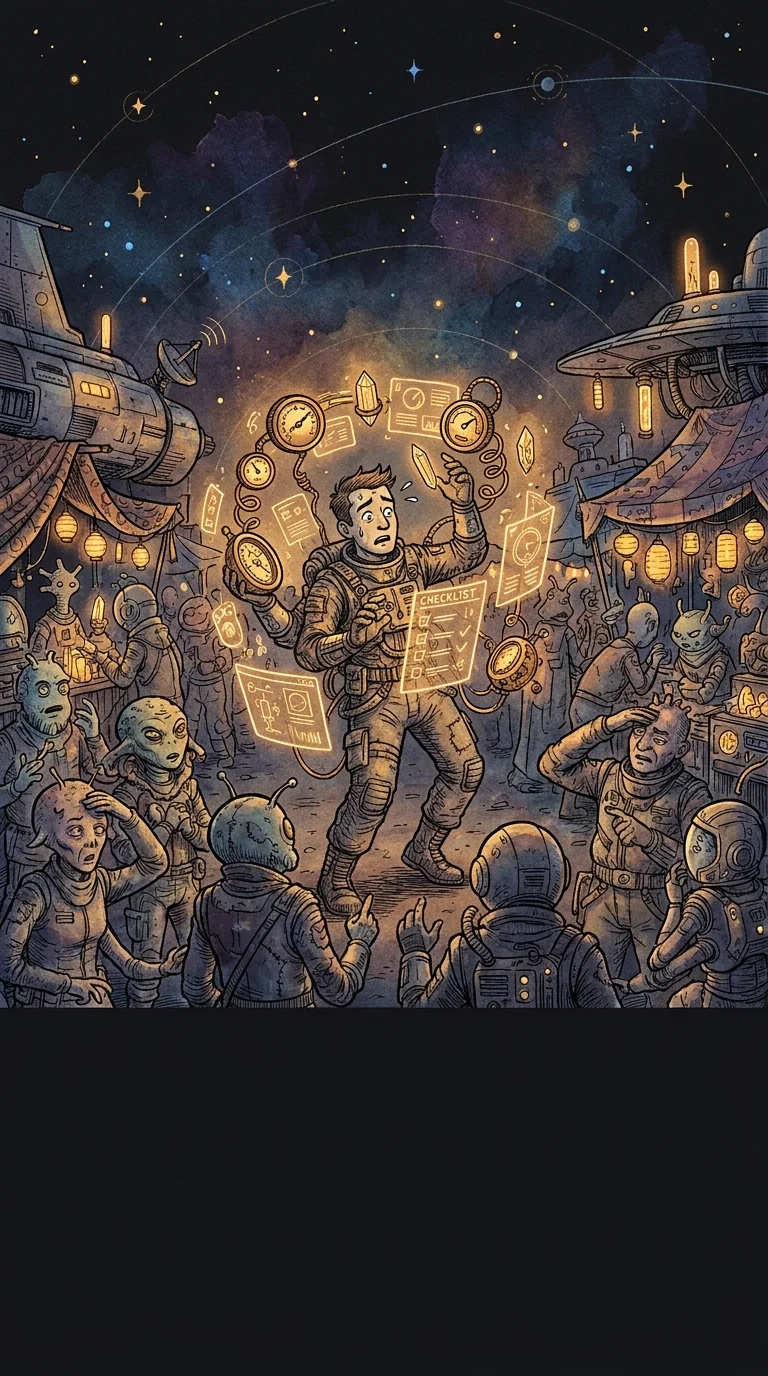
Here's what trips people up at the finish line: they treat everything they've learned like a performance. Checklist energy, dial-watching, narrating their own technique like a sportscaster covering themselves.
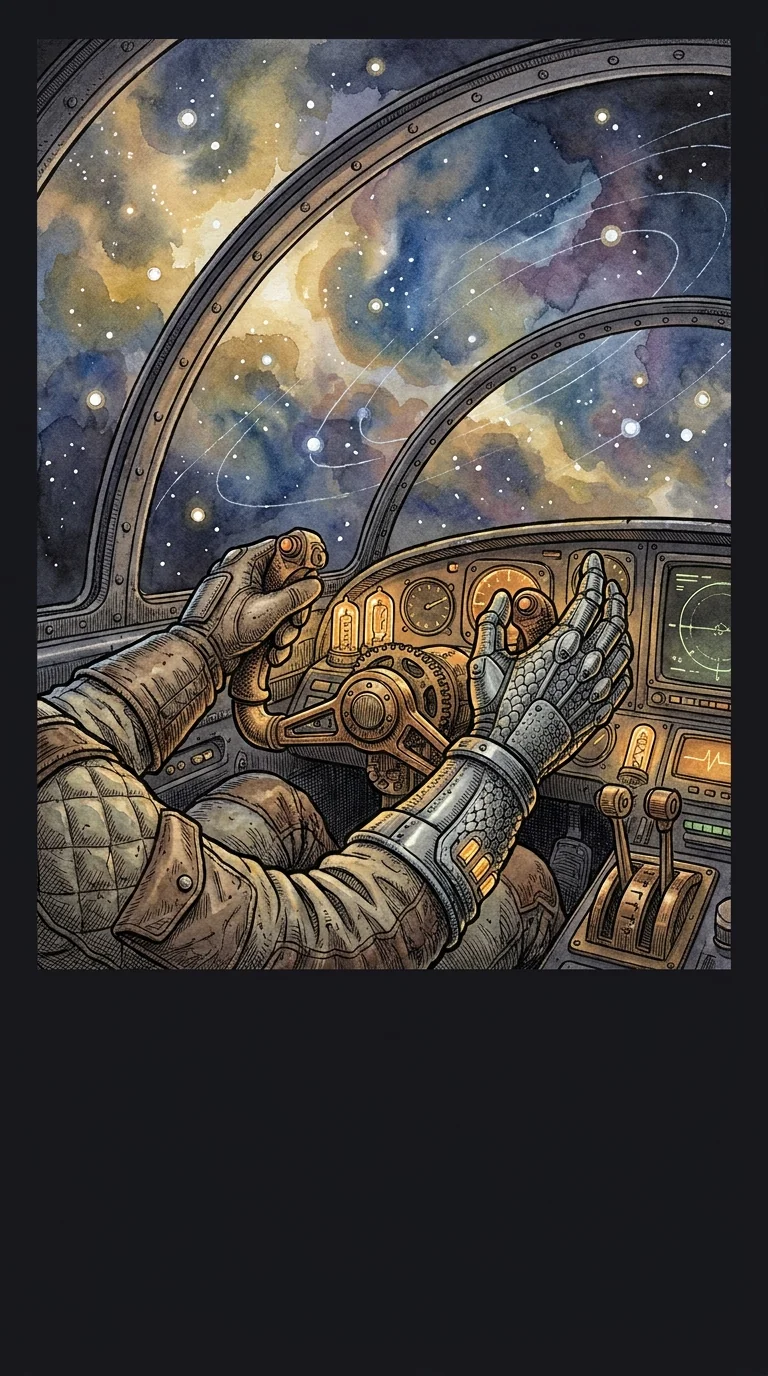
The shift isn't from amateur to expert. It's from operating the controls to just… flying. You stop thinking about the thirty separate skills and start showing up as one whole person who happens to notice things.
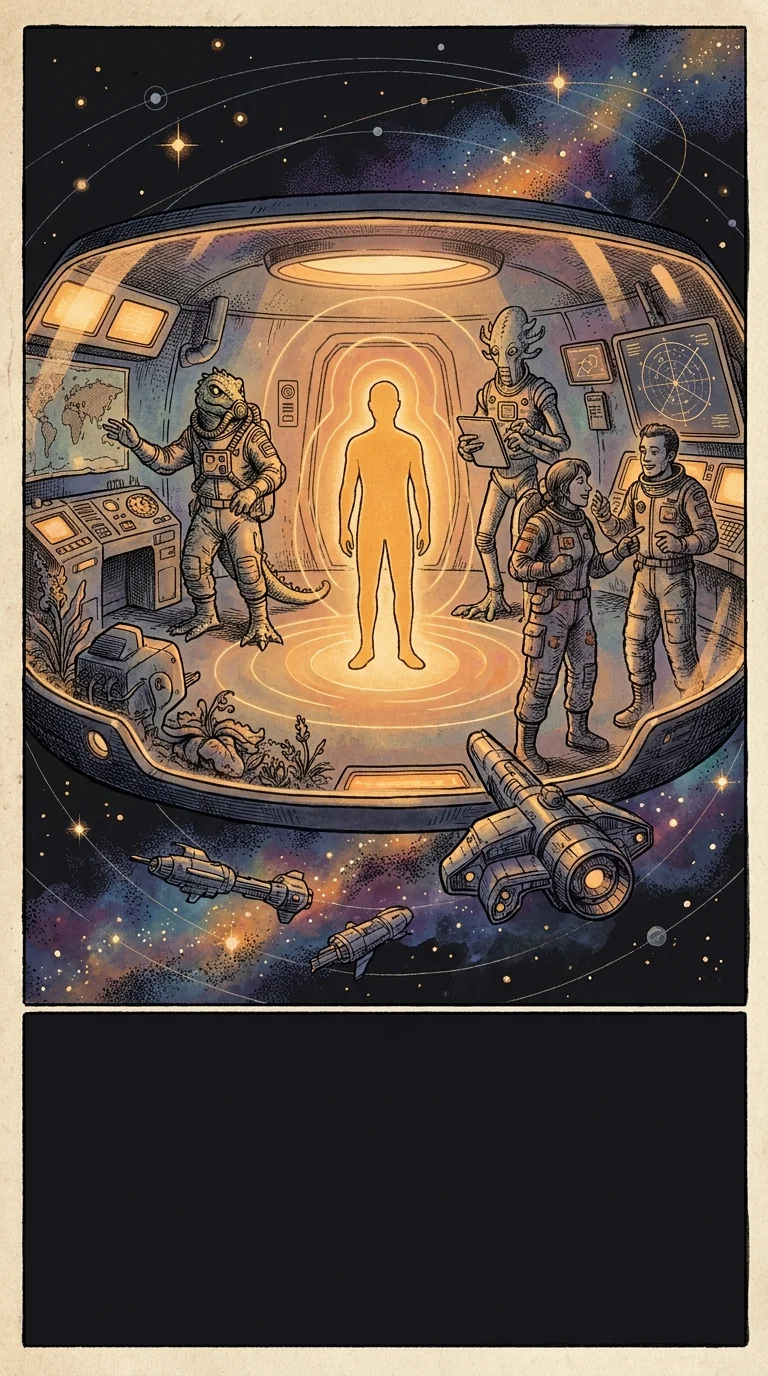
Real integration works like peripheral vision — you don't stare at each signal, you let the full picture arrive. Body language, tone shifts, energy in the room — they land as one readout, not thirty separate alerts.
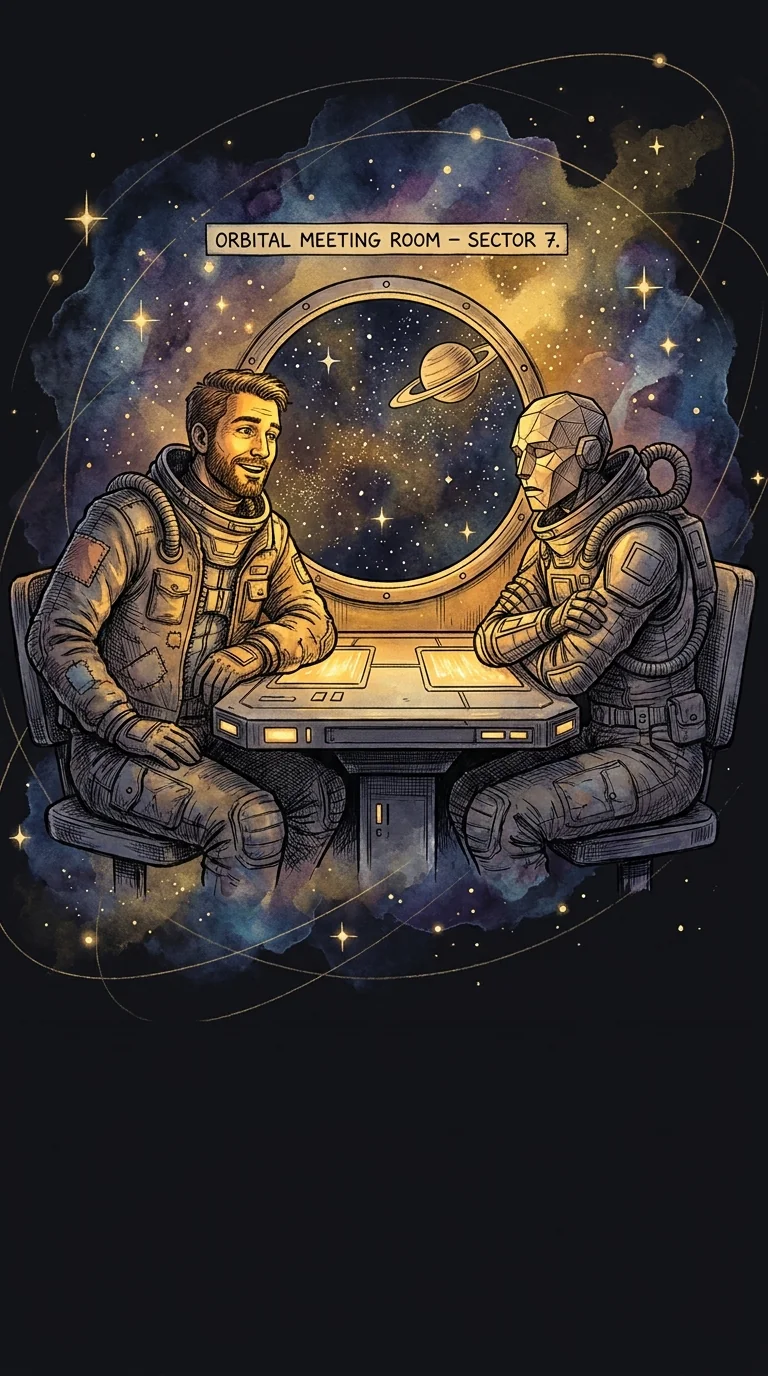
Marcus used to rehearse every interaction like a script. Today he walked into a difficult meeting, noticed his colleague's tight jaw and crossed arms, adjusted his opening question on the fly — and didn't even realize he'd done it until afterward. That's the full readout. It's already yours.
You didn't just learn a skill set — you changed how you occupy a room. In Part 2, you'll practice using the full readout in one real conversation today. See you there.
Part 2: Going Live: The Full Readout — Practice
+10 XP on completion

Thirty days of tuning your instruments, reading the room, catching yourself mid-autopilot. Today you walk into a real conversation and use all of it — not as a performance, but because it's who you actually are now.
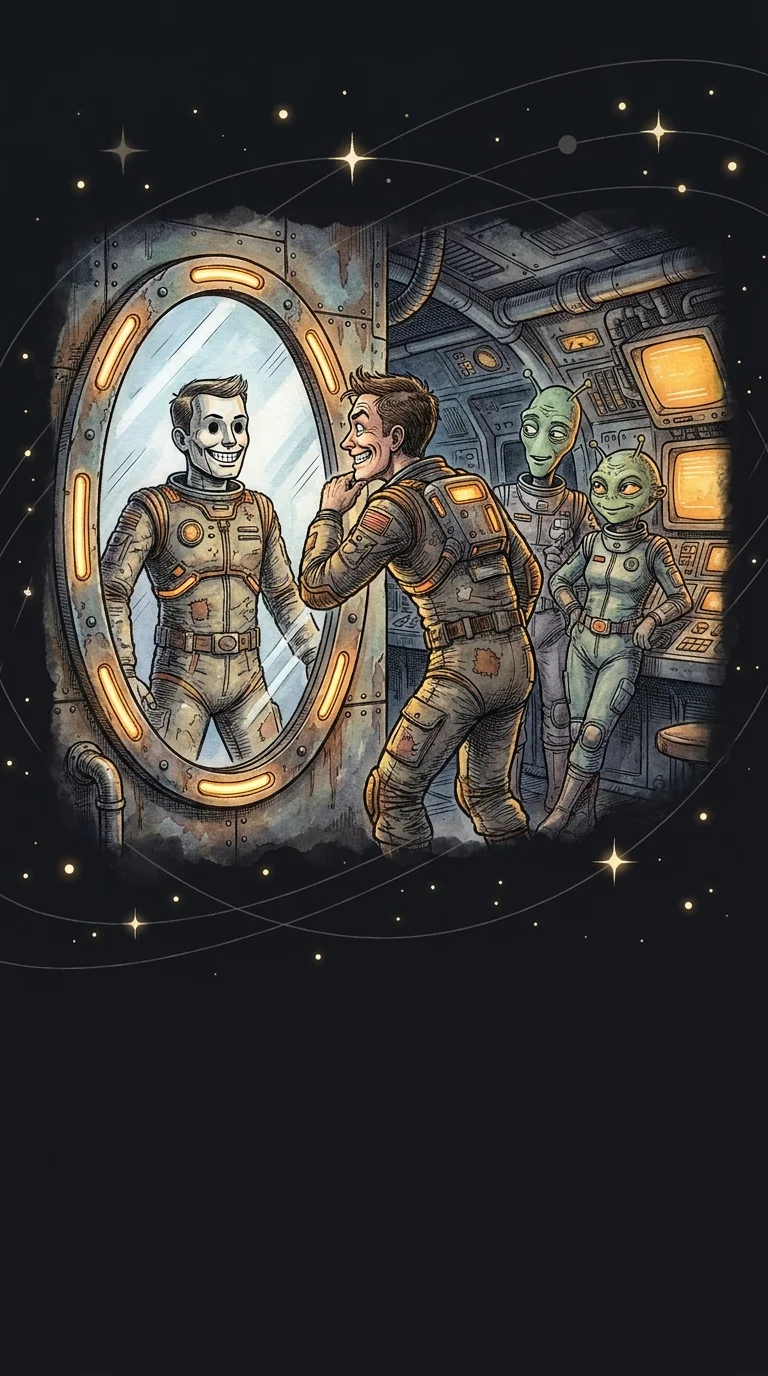
The temptation is to treat this like a final exam — enter the room performing awareness instead of actually being aware. That's the costume wearing you instead of the other way around.
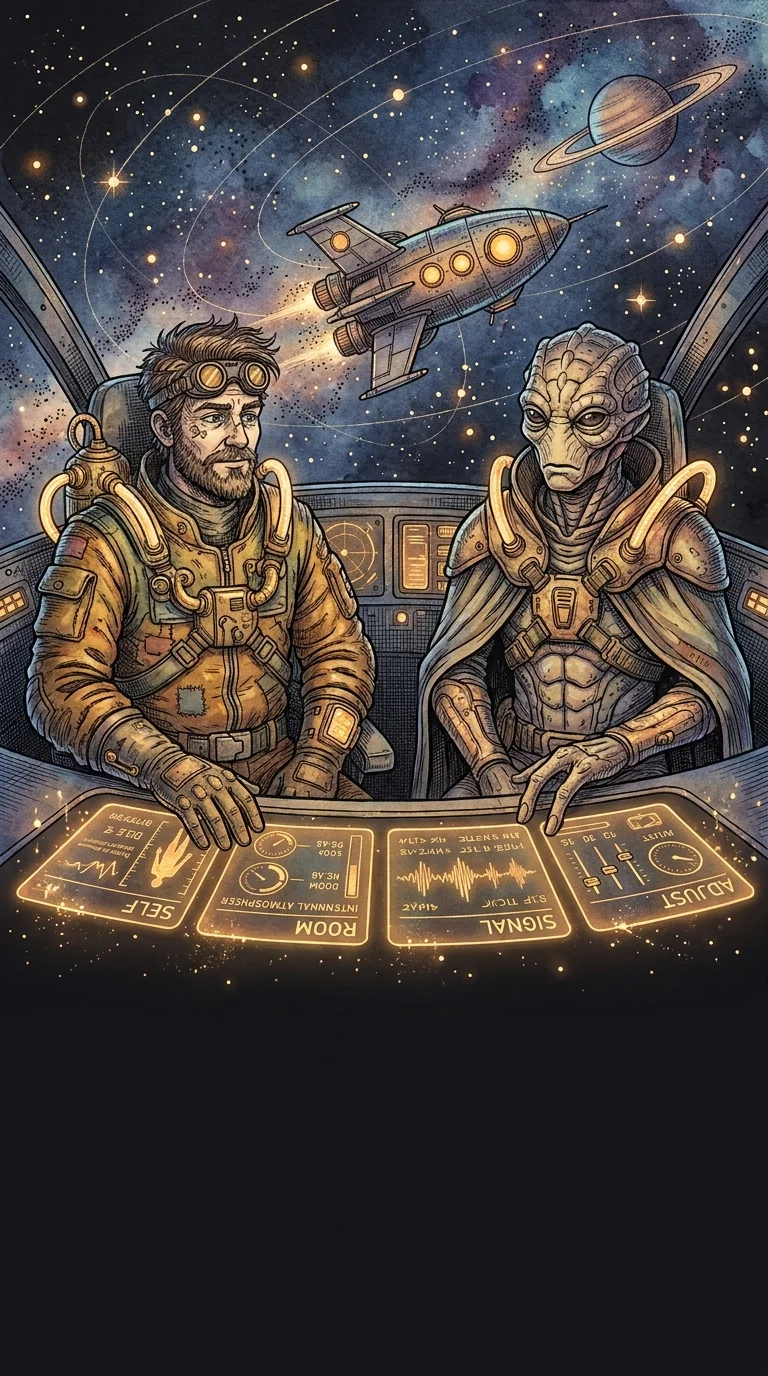
The technique is called The Full Readout. One real interaction — a meeting, a meal, a difficult phone call — where you run the complete sequence: scan yourself, scan the room, name what you notice, adjust in real time. No script. Just the instruments you've built, running live.

Before the interaction: one breath, quick internal scan — what am I carrying in? During: notice one shift in the other person's energy and respond to it. After: sixty seconds of honest review. That's the whole protocol. You already know every piece.
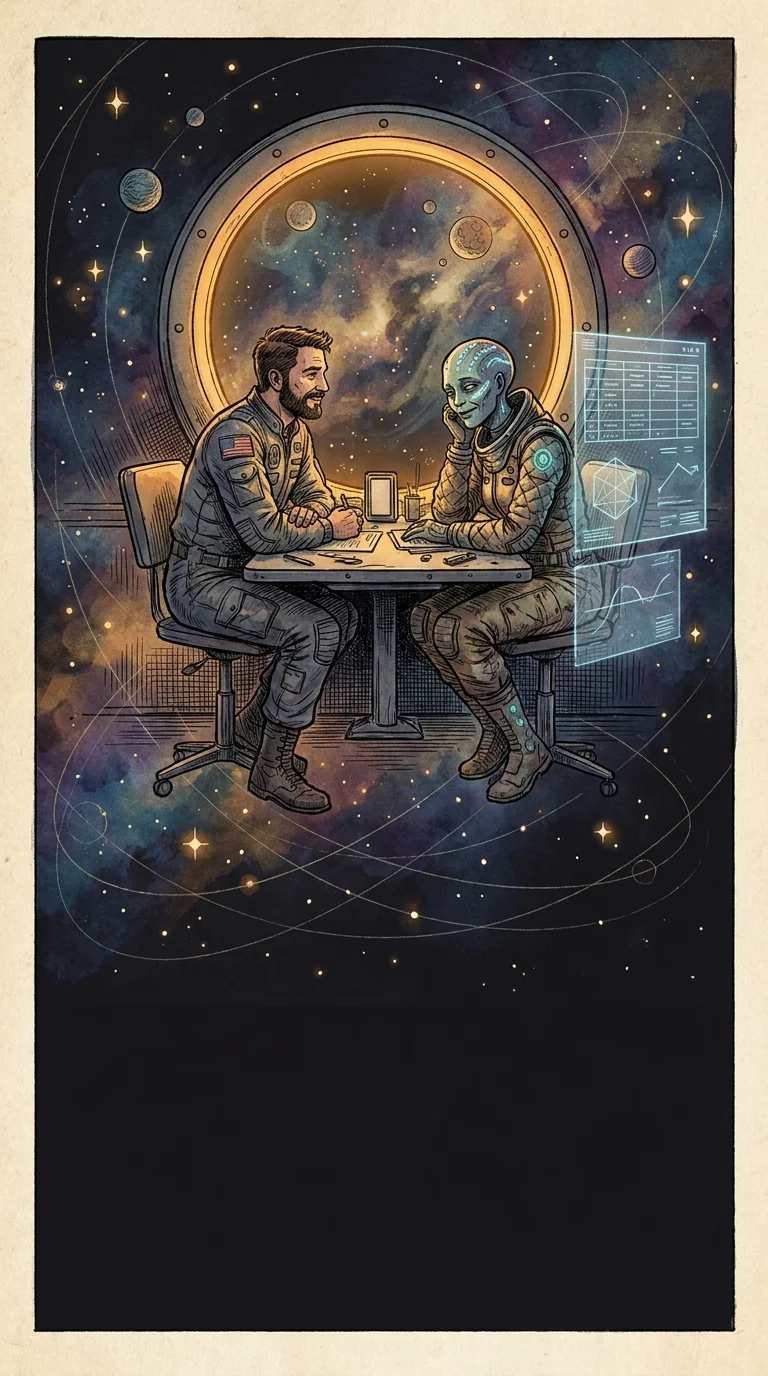
Marcus walked into the quarterly review expecting the usual defensive crouch. Instead he scanned himself — tight chest, old story about being judged — named it, let it go. He noticed his manager's exhaustion before she said a word, and asked a real question instead of defending a spreadsheet. The meeting lasted eleven minutes. Best one he'd had in years.

You didn't learn a trick. You built a way of paying attention — to yourself, to the room, to the space between what's said and what's meant. That doesn't expire. Wherever you go next, you carry the readout with you. The instruments are yours now.