Hands Are Trust
You walk into a meeting with your hands jammed in your pockets, and somewhere in the back of everyone's brain, a very old alarm quietly trips. Nobody knows why the room just got one degree cooler — including you.
Part 1: Hands Are Trust — Concept
+5 XP on completion

You walk into a meeting with your hands jammed in your pockets, and somewhere in the back of everyone's brain, a very old alarm quietly trips. Nobody knows why the room just got one degree cooler — including you.

For a few hundred thousand years, visible hands meant one thing: no weapon. Crossed arms, pocketed fists, hands behind the back — your ancestors read all of those as 'undecided about killing me.' We dress better now, but the wiring hasn't been updated.
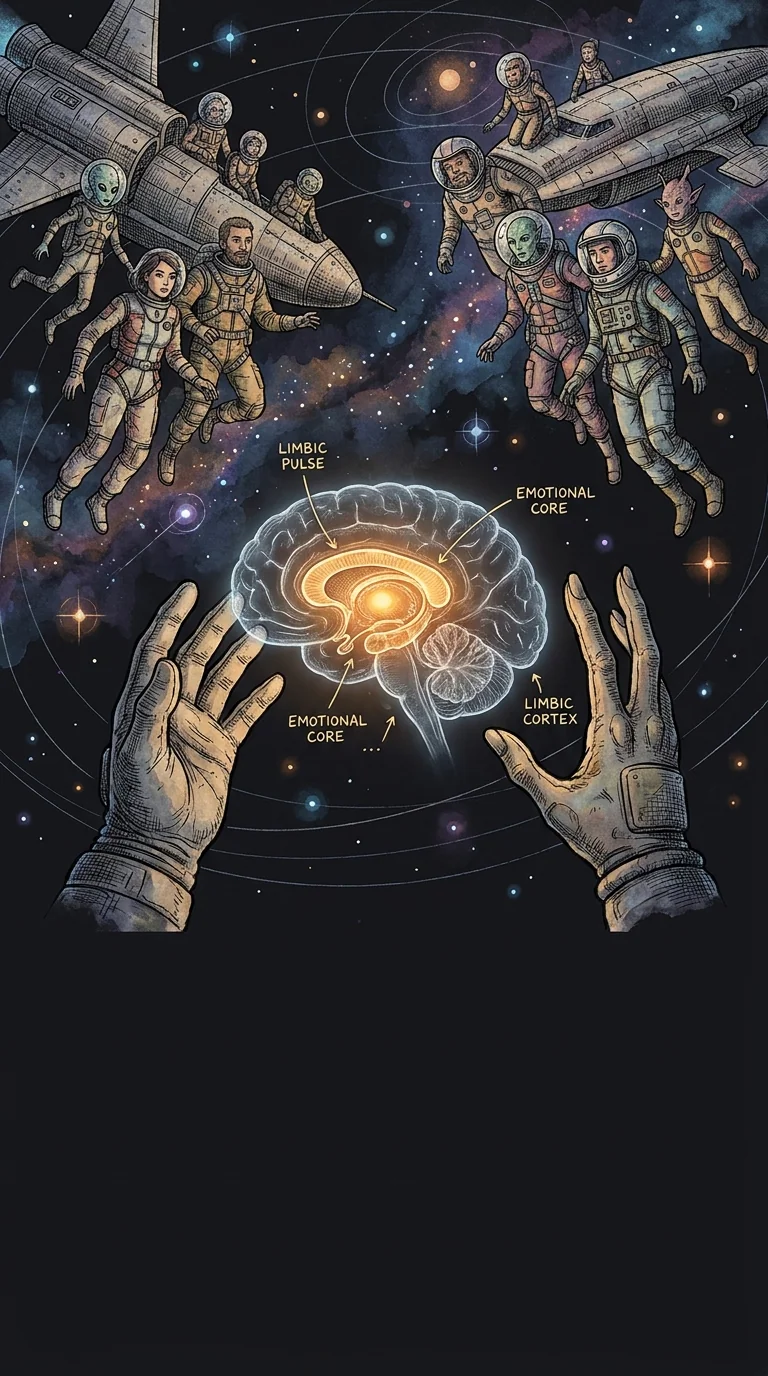
Here's what nobody admits: trust doesn't start with what you say. It starts with what your hands are doing while you say it. Visible palms tell the oldest part of someone's brain that you've arrived unarmed — and that part of the brain votes before the rest even wakes up.
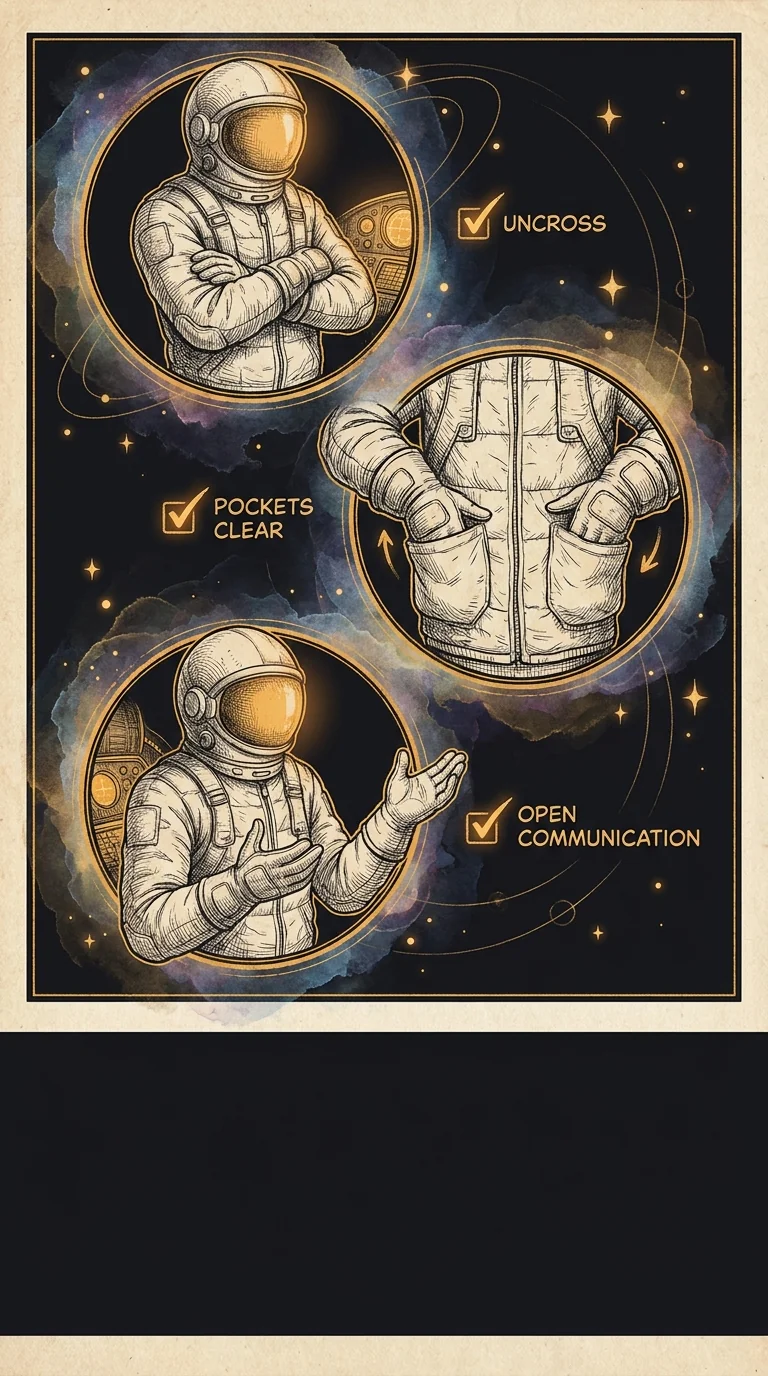
The mechanism is embarrassingly simple. Uncross your arms. Take your hands out of your pockets. Let your palms flash when you gesture. That's it. You're not performing — you're just removing the thing that was making people's threat detectors hum.

Marcus ran ops briefings with his arms folded like a shield. Good ideas, solid data — and a crew that never quite bought in. One week he forced himself to brief palms-open, hands resting on the table. Same data. Same voice. The room started asking questions instead of just nodding. Weird how disarming works when you actually disarm.

Your hands have been broadcasting all along — you just weren't reading your own signal. In Part 2, you'll practice a quick hand-awareness check you can run before any conversation. See you there.
Part 2: Hands Are Trust — Practice
+10 XP on completion

Your hands have been broadcasting "safe" or "not safe" since before your species figured out agriculture. Time to make that broadcast intentional — sorry, deliberate.

Watch what you actually do with your hands in conversation: jammed in pockets, crossed over your chest, death-gripping your coffee mug like it owes you money. Every one of those reads as "I'm hiding something" to the ancient wiring in other people's brains.
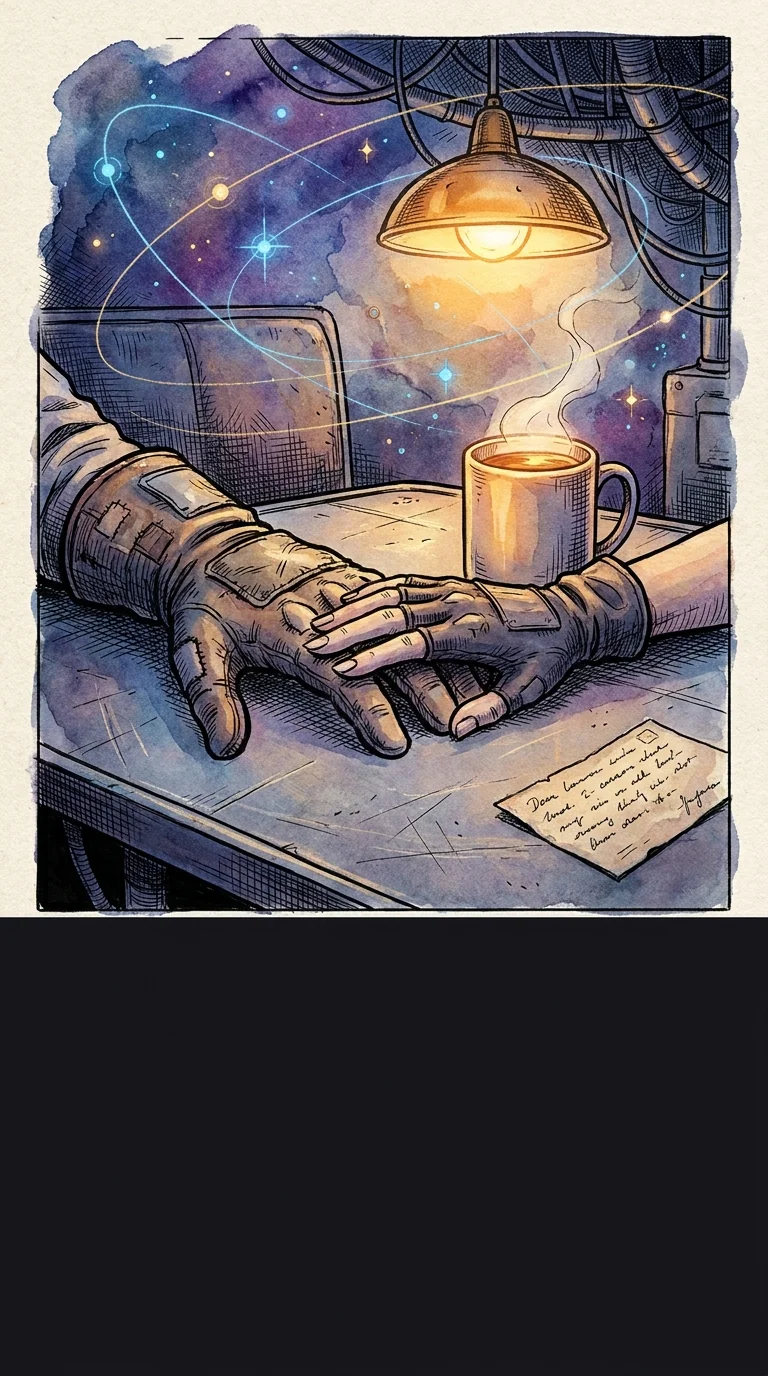
The technique is called the Open Freq. Three moves: rest your hands where they can be seen, keep them still when you're listening, and gesture naturally when you're speaking. That's it. No jazz hands required.

Here's your practice for today: in your next three conversations, notice where your hands are. If they're hidden, move them somewhere visible — on the table, at your sides, holding your coffee like a normal mammal. Just notice, then adjust.
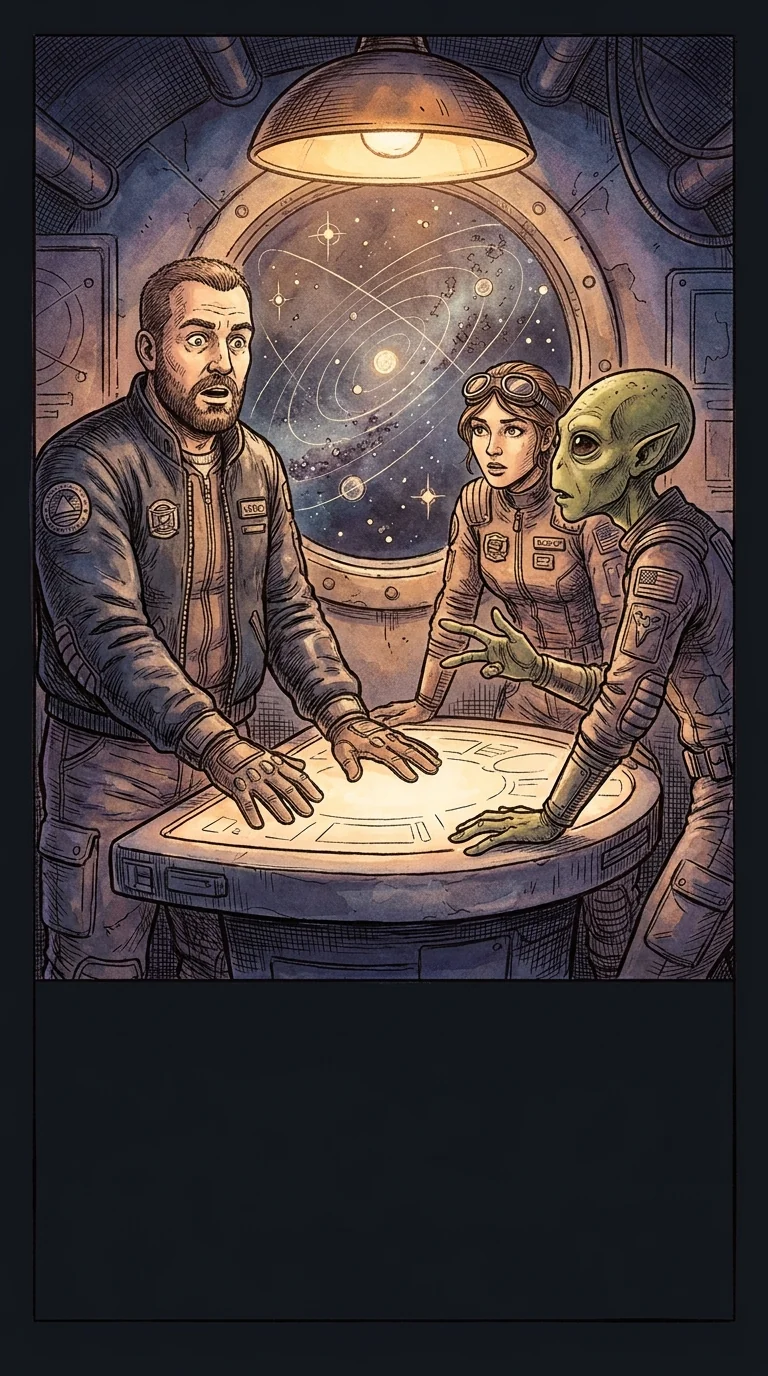
Marcus had a habit of crossing his arms during team check-ins — not hostile, just comfortable. He tried the Open Freq for one week: hands on the table, relaxed. By Thursday, two teammates who'd never volunteered ideas started talking. He hadn't said anything different. He'd just stopped looking like a locked door.

You've got a signal that costs nothing, requires no script, and has been building trust for a hundred thousand years. Your hands already know the language — now you're just letting them speak clearly.