Eye Contact: The Cheapest Trust Signal You're Probably Mishandling
You're mid-conversation and realize you have no idea where to look. Their eyes? The bridge of their nose? That weird spot on the wall behind them? Welcome to the narrowest calibration problem in human connection.
Part 1: Eye Contact: The Cheapest Trust Signal You're Probably Mishandling — Concept
+5 XP on completion
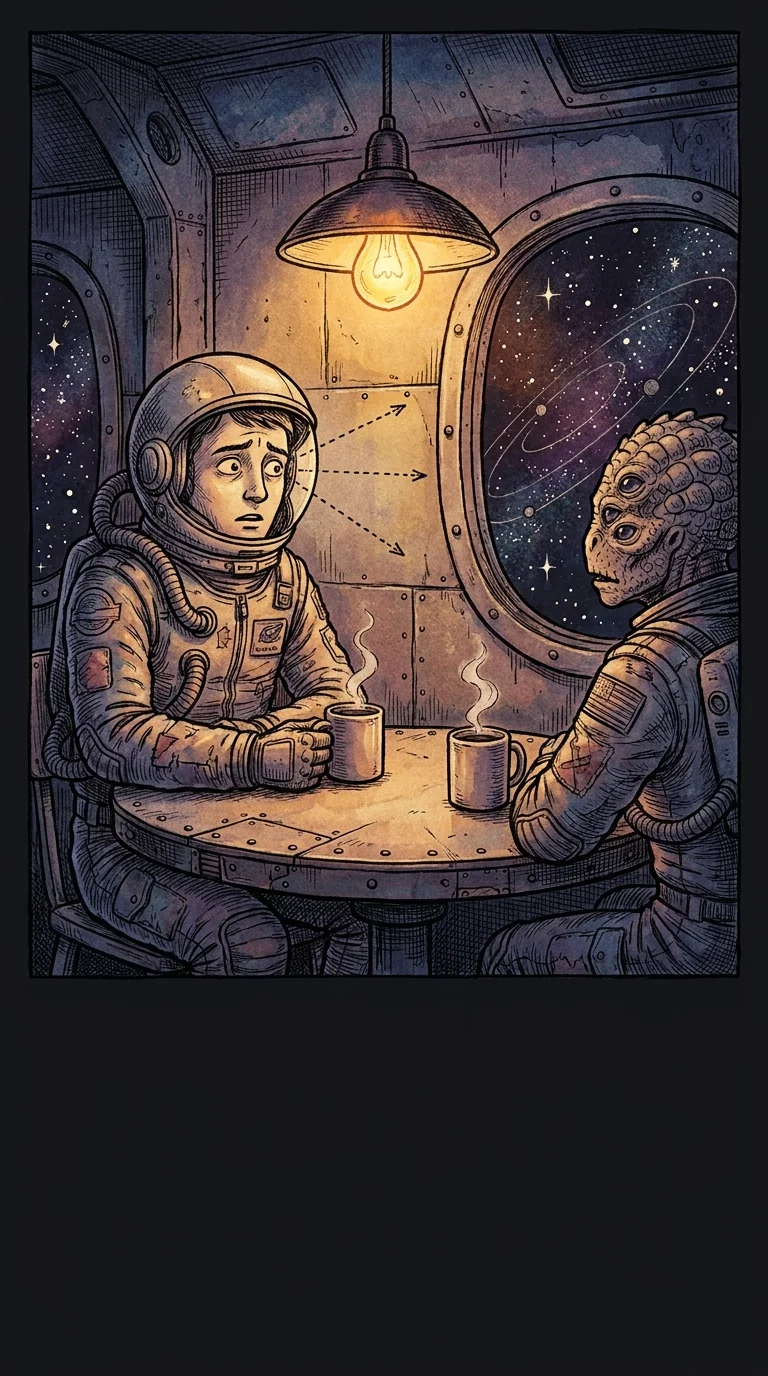
You're mid-conversation and realize you have no idea where to look. Their eyes? The bridge of their nose? That weird spot on the wall behind them? Welcome to the narrowest calibration problem in human connection.
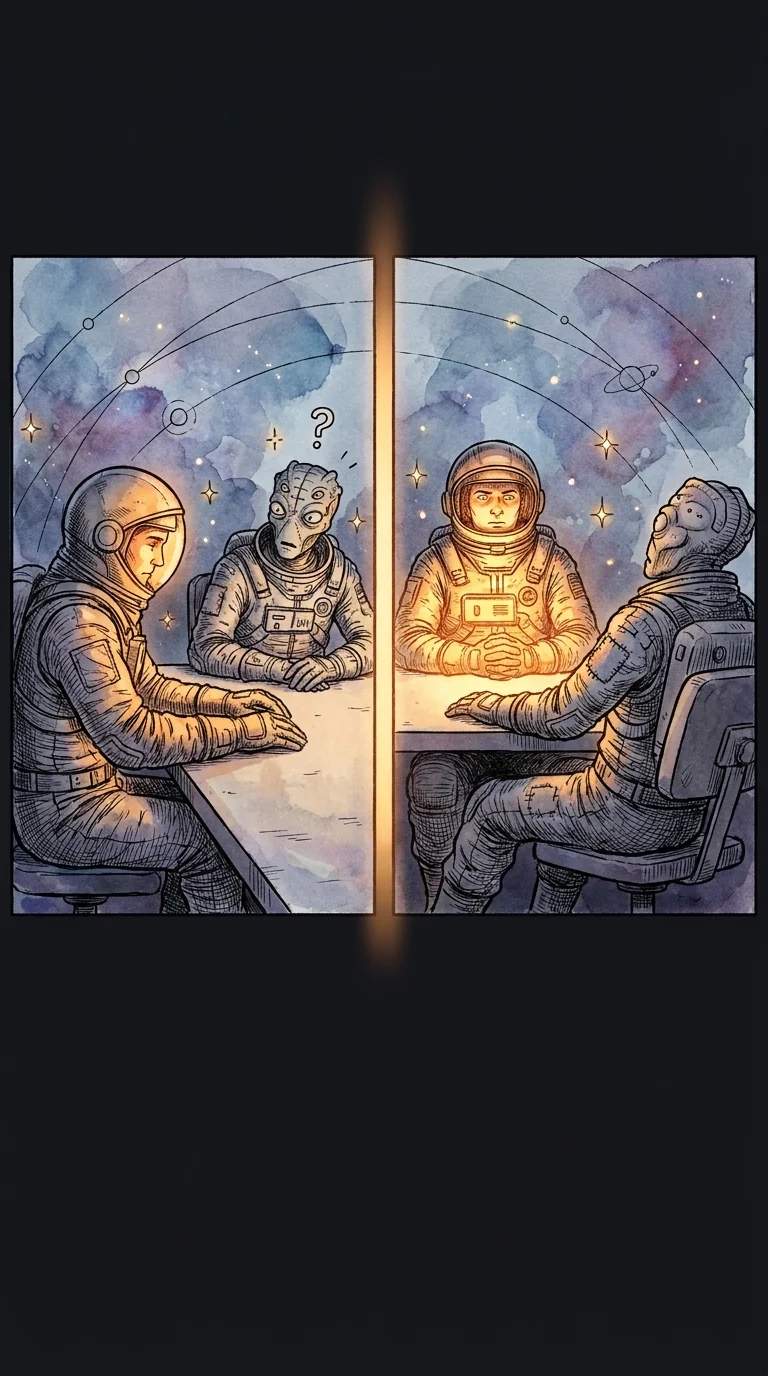
Too little eye contact and people flag you as shifty or disinterested. Too much and you're performing an interrogation. The gap between 'trustworthy' and 'unhinged' is about two seconds.

The sweet spot sits around 60-70% of a conversation — enough to signal presence, broken often enough to signal you're a person and not a surveillance camera. Your brain already knows this ratio. Your anxiety just keeps overriding the dial.

Look when you listen — that's where trust gets built. Glance away naturally when you're forming a thought or starting a new sentence. The rhythm is listen-hold, speak-release. Nobody taught you this because everybody assumed you'd just absorb it. Spoiler: absorption rates vary.
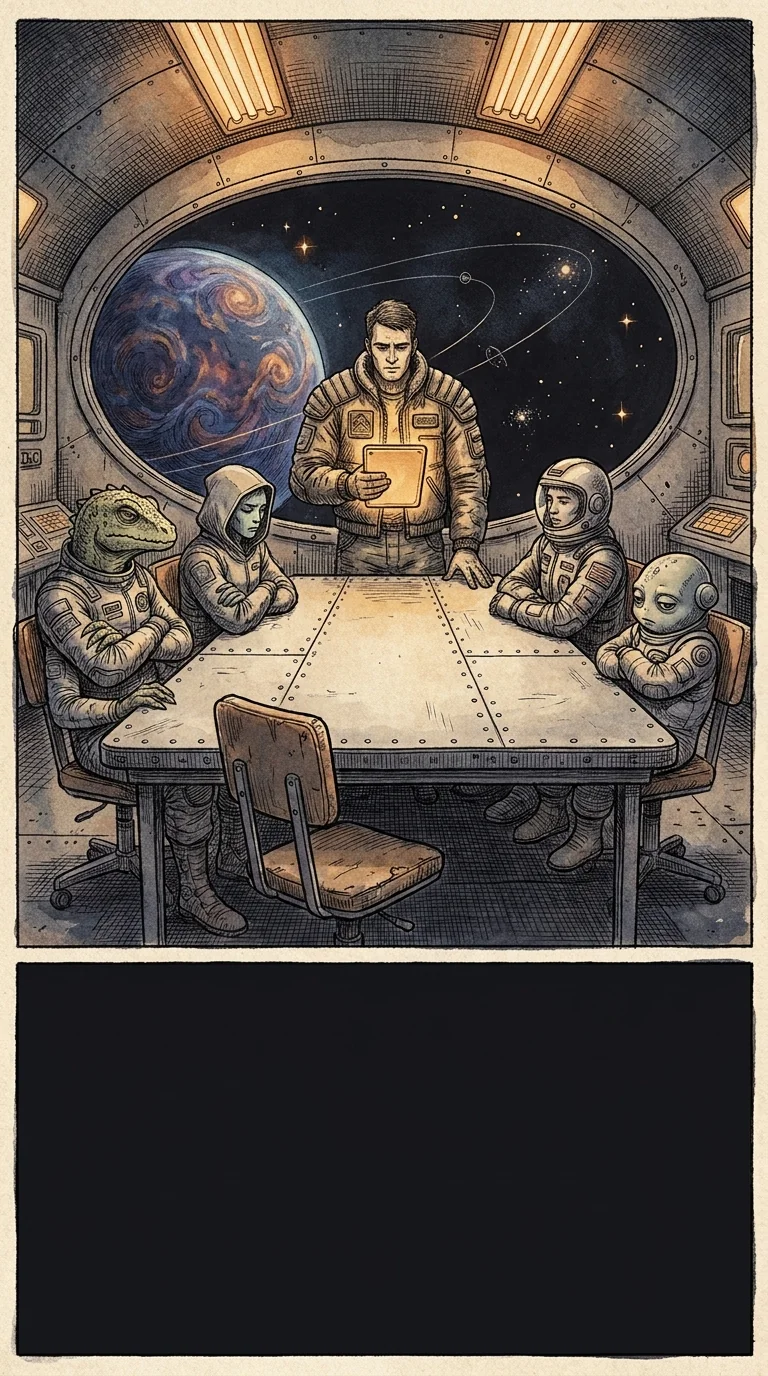
Marcus ran team stand-ups every morning and couldn't figure out why nobody volunteered updates. He recorded one on video. Watched it back. He'd been staring at his tablet the entire time — glancing up only to call names. His team wasn't withholding. They were responding to a guy who looked like he had somewhere better to be.

Eye contact is free, instant, and wildly miscalibrated by almost everyone who thinks about it. The good news: the fix is a rhythm, not a personality transplant. In Part 2, you'll practice the listen-hold, speak-release pattern in a real conversation. See you there.
Part 2: Eye Contact: The Cheapest Trust Signal You're Probably Mishandling — Practice
+10 XP on completion

Eye contact has a goldilocks zone — too little and you're hiding something, too much and you're auditioning for a hostage negotiation. Today you learn where the sweet spot actually lives.

Most eye contact advice is useless because it's binary — 'make eye contact' or 'don't stare.' That's like saying the thermostat has two settings: frozen and on fire. No wonder people default to looking at foreheads.

The technique is called the 3-Second Soft Landing. You hold eye contact for roughly three seconds, then glance briefly away — down or to the side, never up — and return. That rhythm signals 'I'm paying attention and I'm not a predator.'
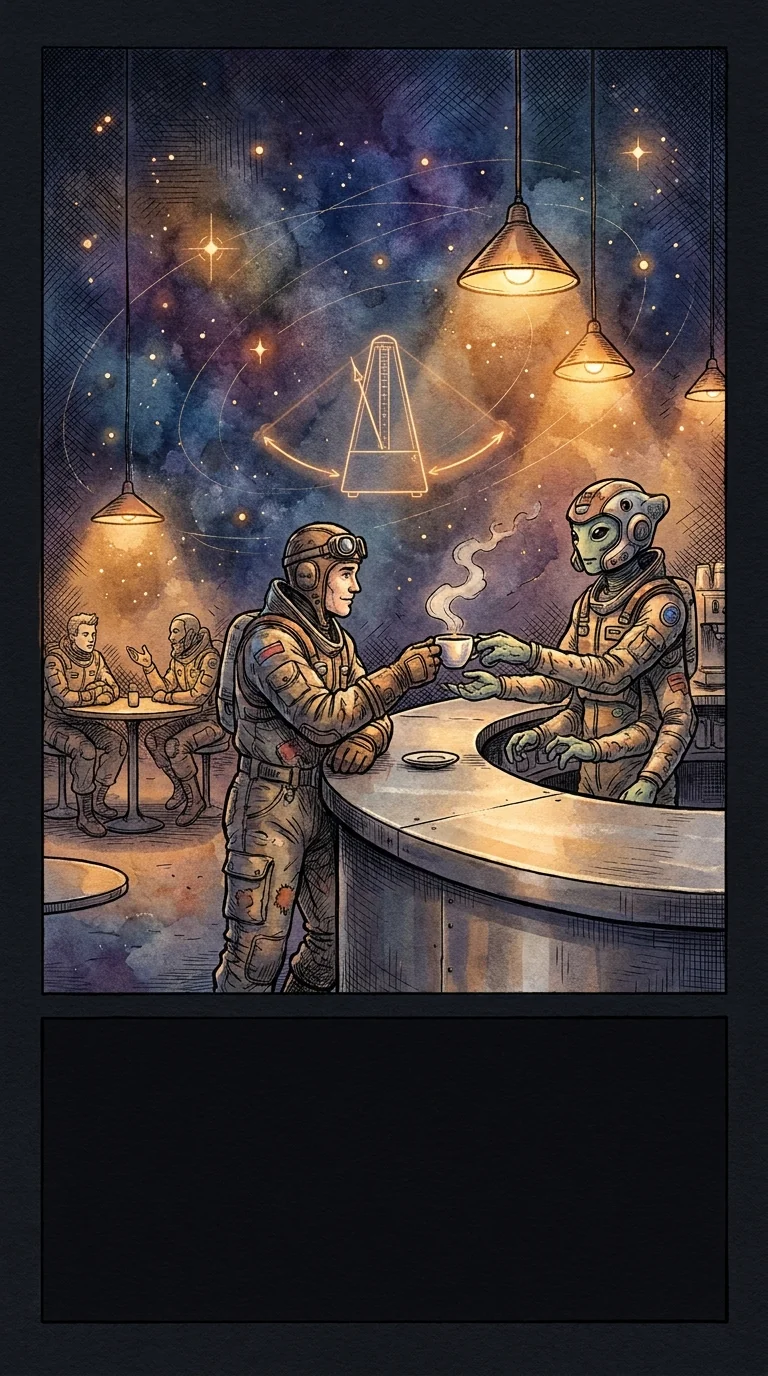
Practice it now: pick a conversation today — low stakes, coffee line, coworker check-in. Hold their eyes for a slow count of three, break gently to the side, come back. Repeat the loop. You'll feel the rhythm click within two minutes.
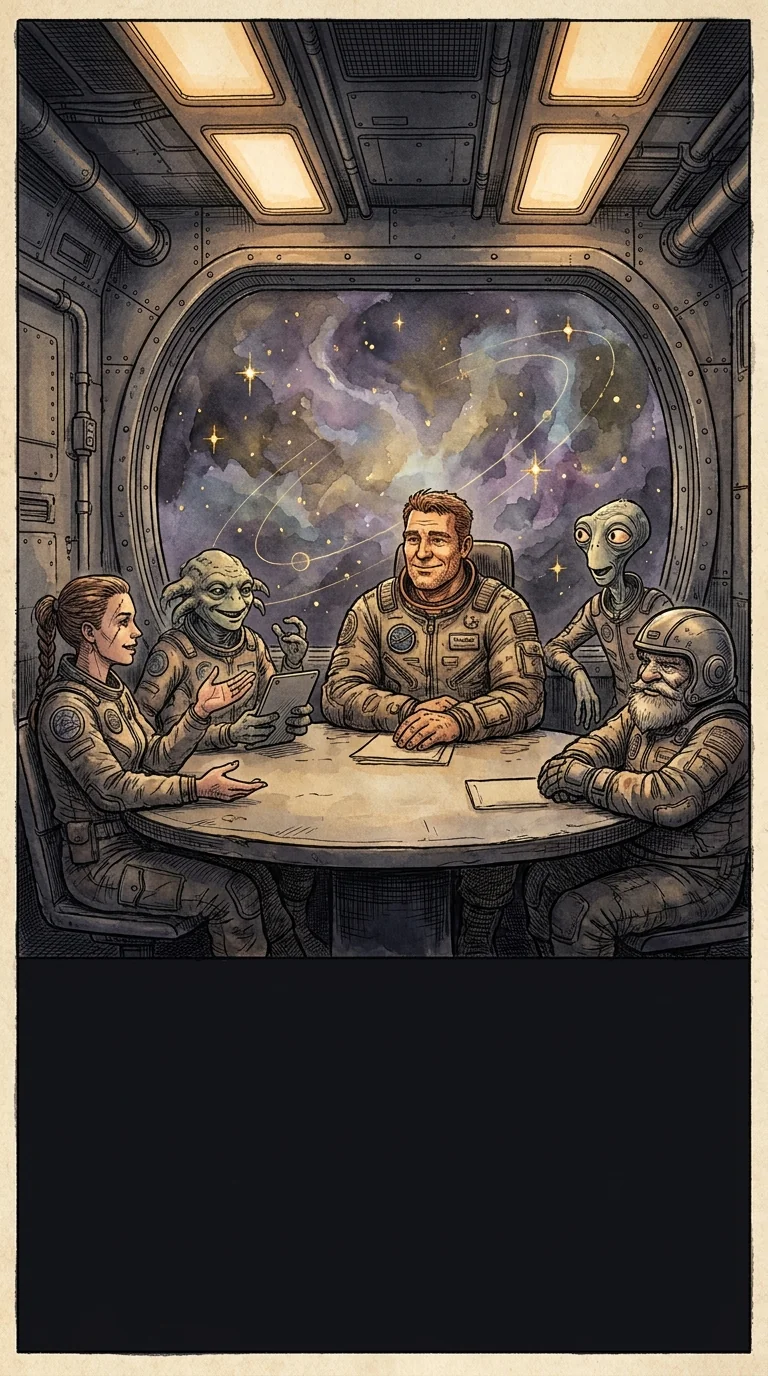
Marcus used to lock eyes like he was daring people to blink first. His team meetings felt like interrogations. He started the Soft Landing loop — three seconds on, gentle break, return — and within a week his project lead said, 'I don't know what changed, but people are actually talking in standups now.'

Three seconds is shorter than you think and more powerful than it sounds. Give it five conversations today, and you'll start to feel the difference between looking at someone and actually seeing them.