The Gesture Box
You've seen it — someone pitching an idea, arms windmilling like they're directing traffic on a runway. You couldn't repeat a single word they said, but you'll never forget the flailing.
Part 1: The Gesture Box — Concept
+5 XP on completion
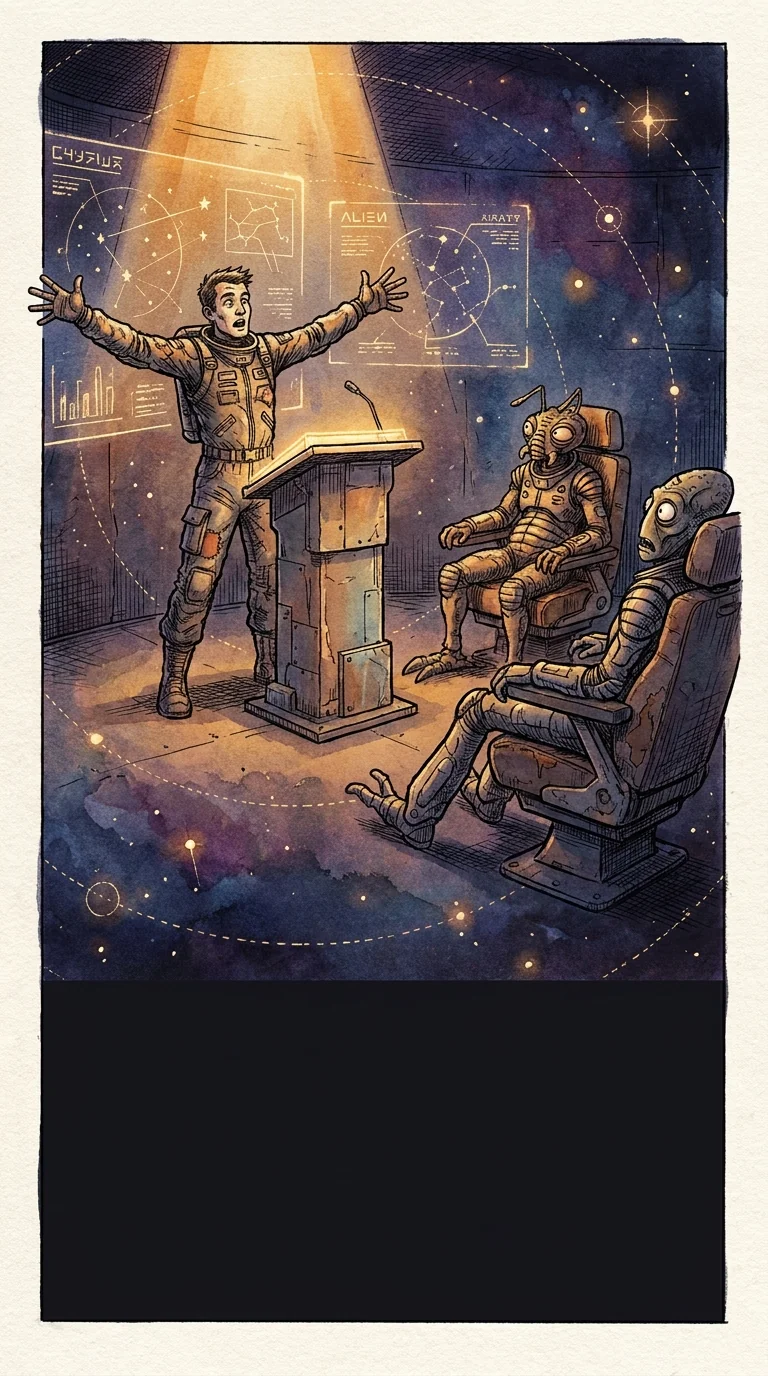
You've seen it — someone pitching an idea, arms windmilling like they're directing traffic on a runway. You couldn't repeat a single word they said, but you'll never forget the flailing.
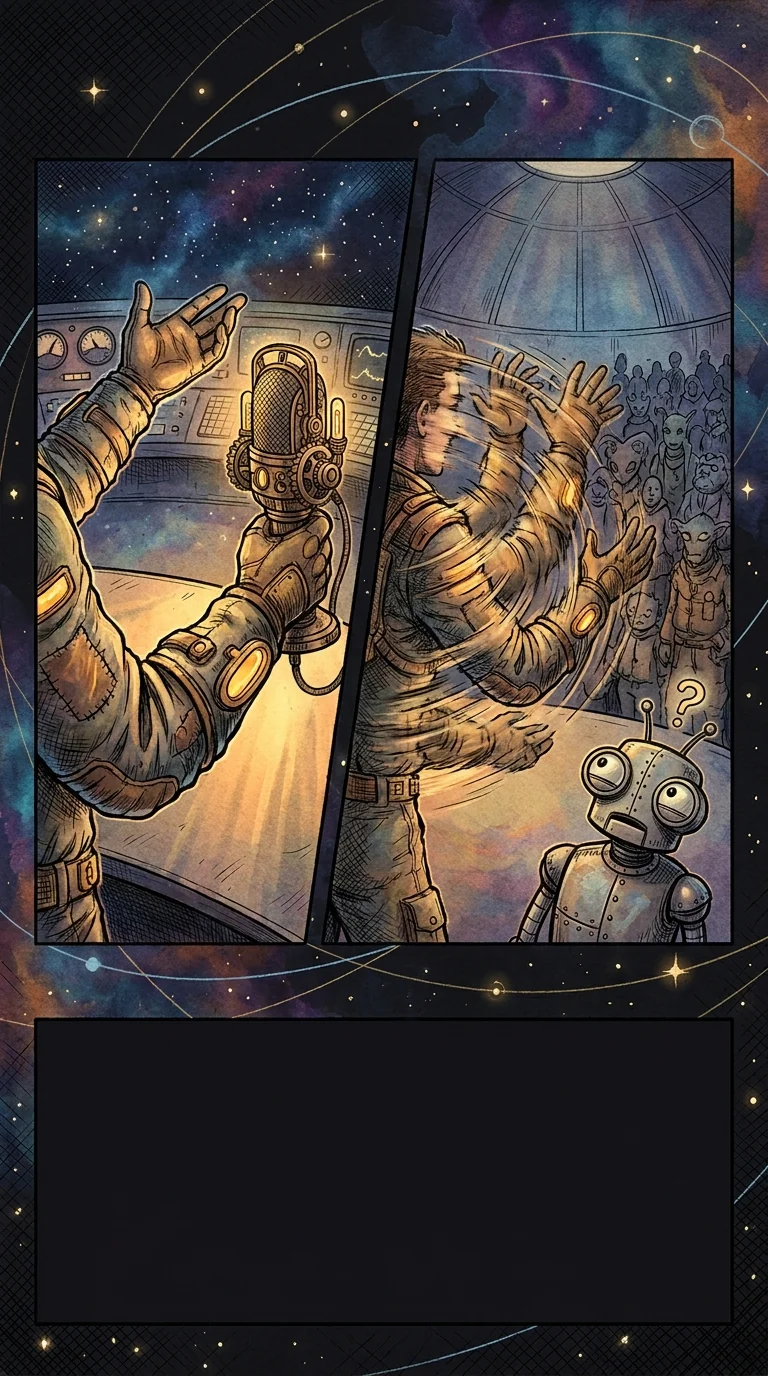
Big gestures feel expressive from the inside. From the outside, they read as noise — your hands competing with your mouth for who gets to make the point. Spoiler: nobody wins.

The difference between frantic and captivating isn't fewer gestures — it's a smaller container. Picture an invisible box from your shoulders to your waist, elbow to elbow. That's where the magic stays.
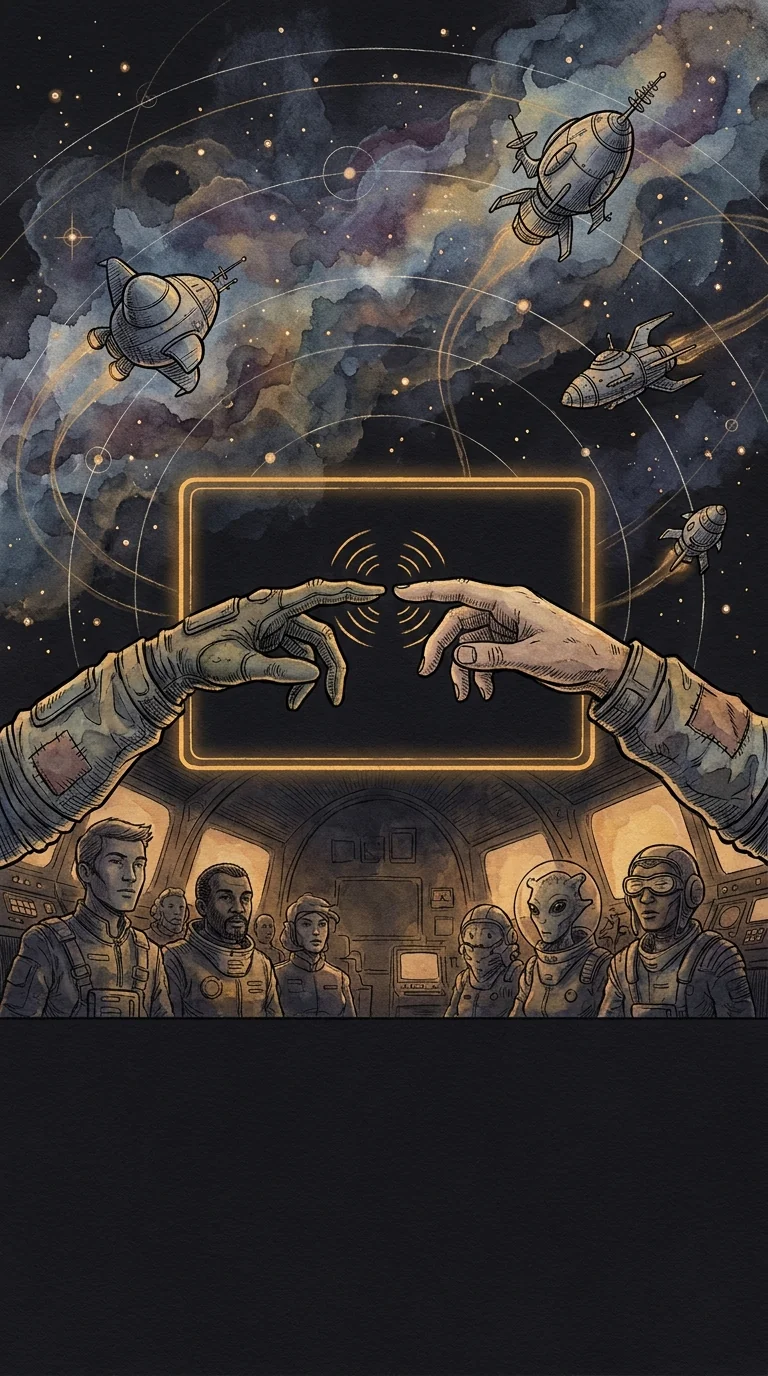
Inside the box, every movement of your hands gets amplified — it looks deliberate, controlled, worth watching. Outside the box, the same movement looks like you're swatting at something only you can see.

Marcus rehearsed his crew address three times — same words every run. The only thing he changed was pulling his hands into the box. After the third take, his co-pilot said, "That time I actually believed you."
Small box. Big impact. Your hands don't need more room — they need a room that fits. In Part 2, you'll practice finding your gesture box and keeping your hands inside it. See you there.
Part 2: The Gesture Box — Practice
+10 XP on completion
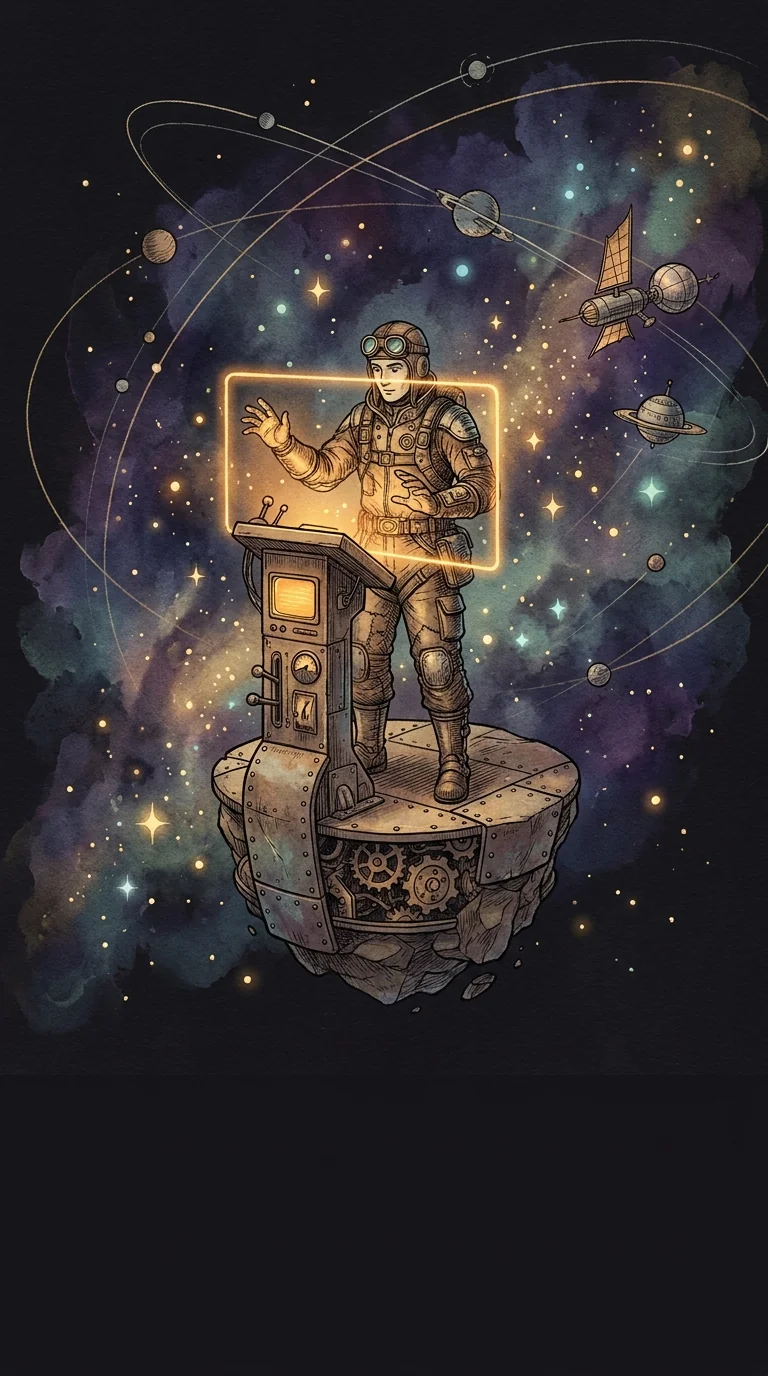
Your hands already know how to talk. The trick is giving them a stage that's the right size — not a whole auditorium.
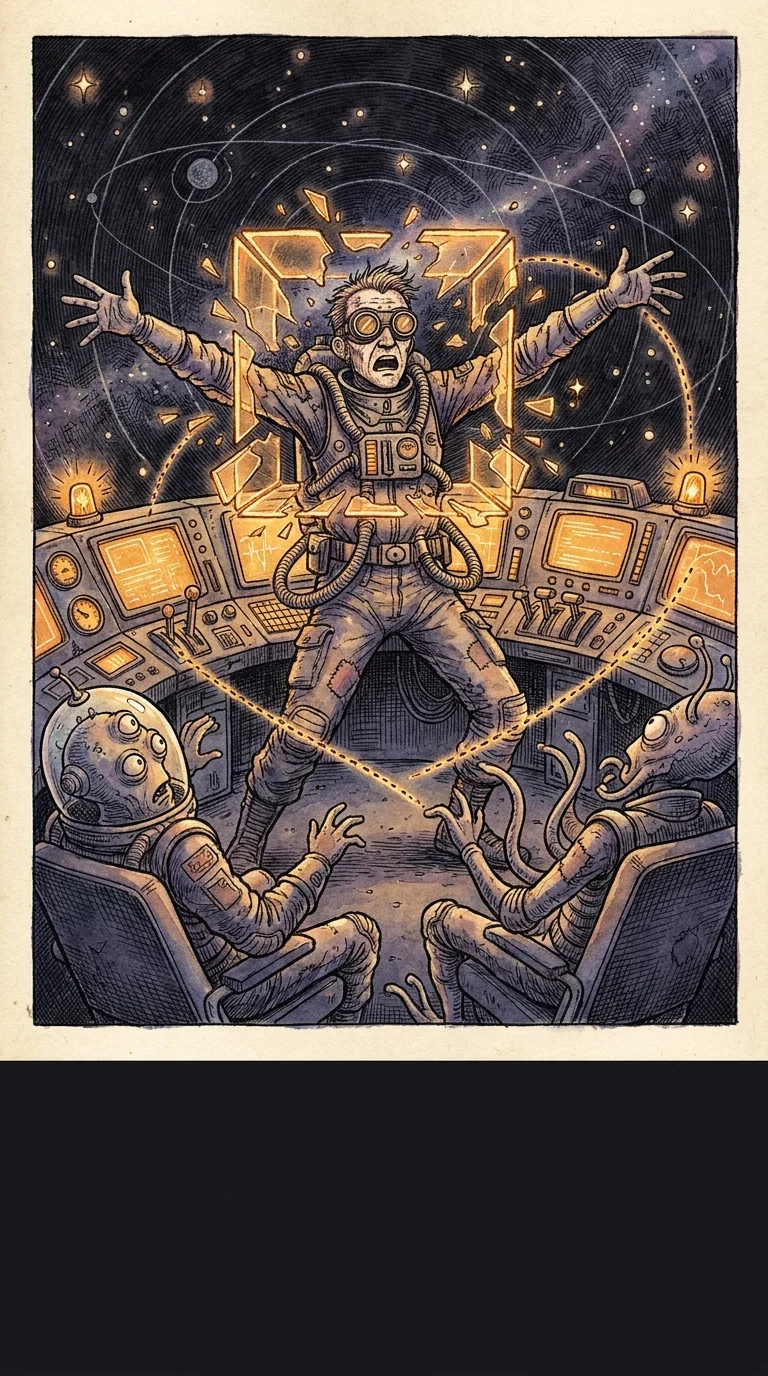
Most gesture disasters happen the same way: hands launch out of the box, orbit wildly, and the audience starts tracking the hands instead of hearing the words. You become a weather system instead of a speaker.
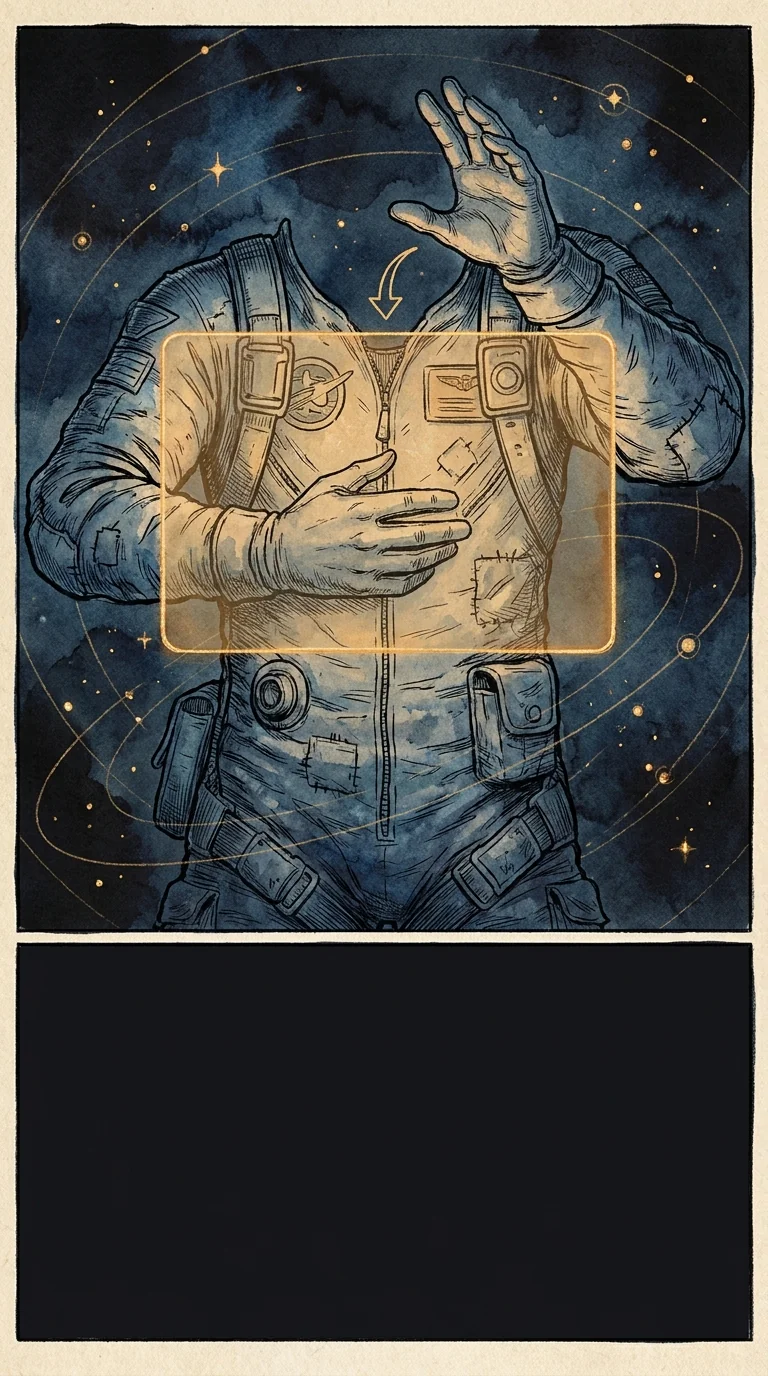
The technique is called Box-and-Return. Every gesture starts inside the box — roughly shoulders to navel, elbows to elbows — and every gesture comes home to that zone. You can punch outside the box for emphasis, but only if you earn the trip back.
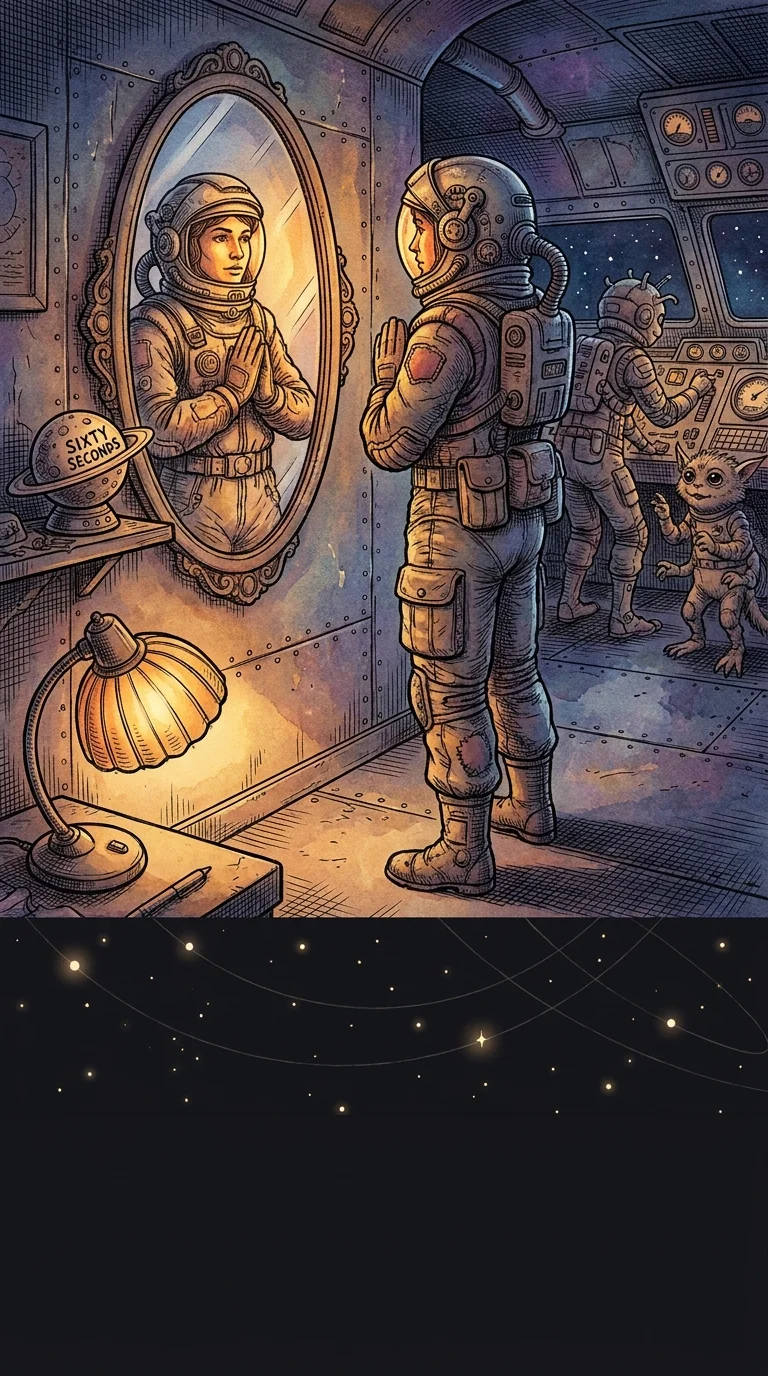
Here's the drill. Stand in front of a mirror — or a dark screen, same thing — and talk about your morning for sixty seconds. Every time a hand escapes the box and doesn't come back within one beat, reset. Do it three days running and the box becomes muscle memory.
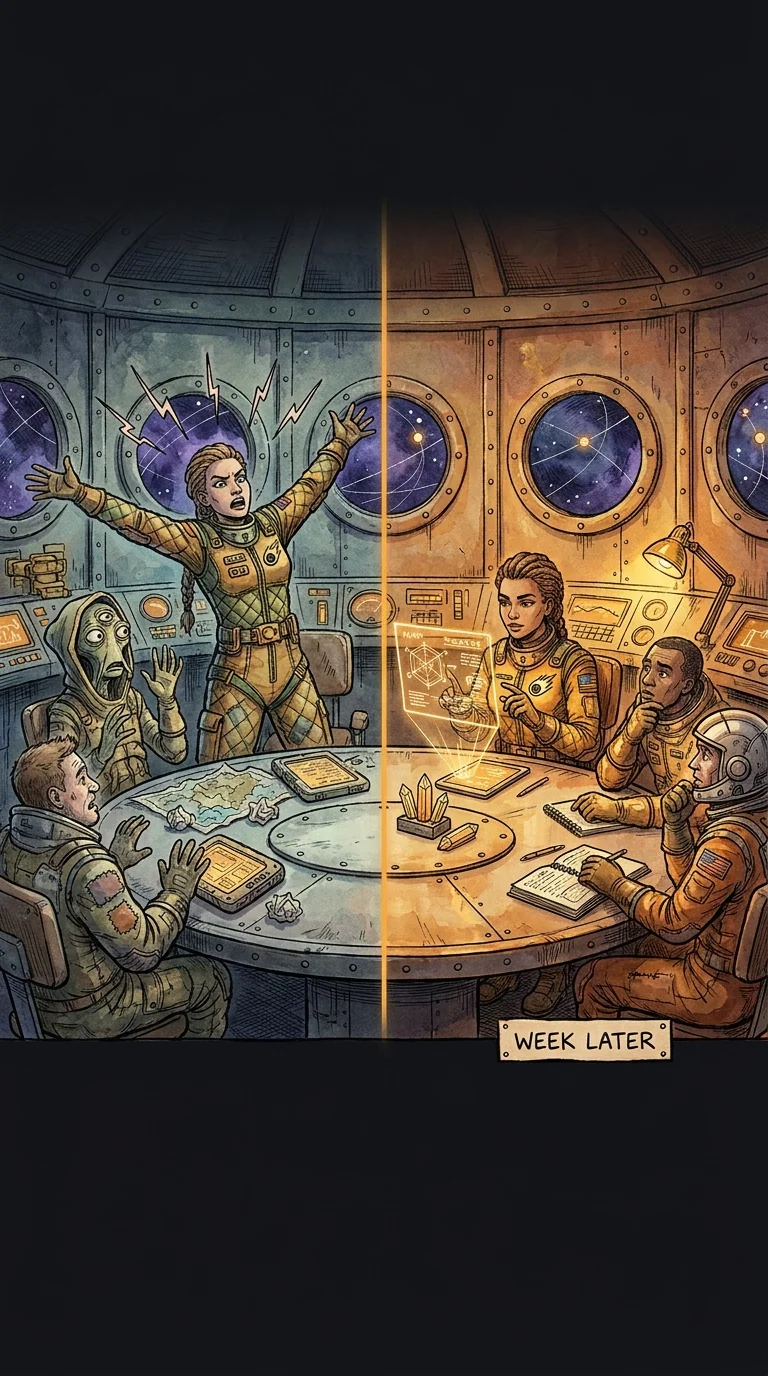
Lisa used to gesture like she was conducting an orchestra nobody hired her to conduct. After a week of Box-and-Return, her project lead told her she seemed "suddenly more credible." Same words, same ideas — smaller stage for the hands.
You now own a box most people never notice they need. Tomorrow we read what leaks past someone's words when the words are saying everything is fine — and it absolutely isn't.