Danger Cues: What Leaks Past the Words
Marcus said "I'm fine with the reassignment" while his jaw clenched so hard you could hear his molars file themselves down. His words were polished — his face hadn't gotten the memo.
Part 1: Danger Cues: What Leaks Past the Words — Concept
+5 XP on completion

Marcus said "I'm fine with the reassignment" while his jaw clenched so hard you could hear his molars file themselves down. His words were polished — his face hadn't gotten the memo.
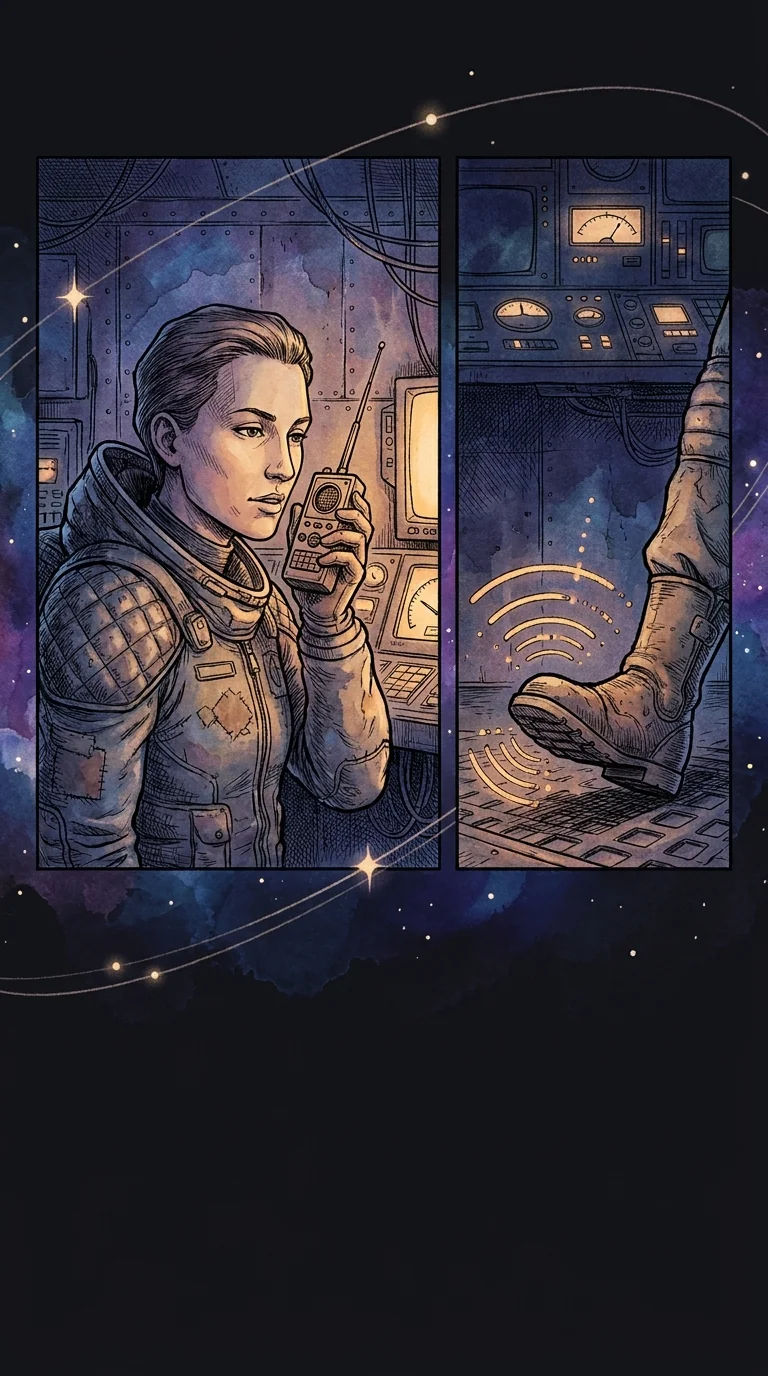
You can rehearse a sentence until it's airtight. You cannot rehearse your micro-expressions, your breathing rate, or the way your foot starts tapping like it's sending distress signals in morse code. The body has its own broadcast channel, and it doesn't check with you before going live.
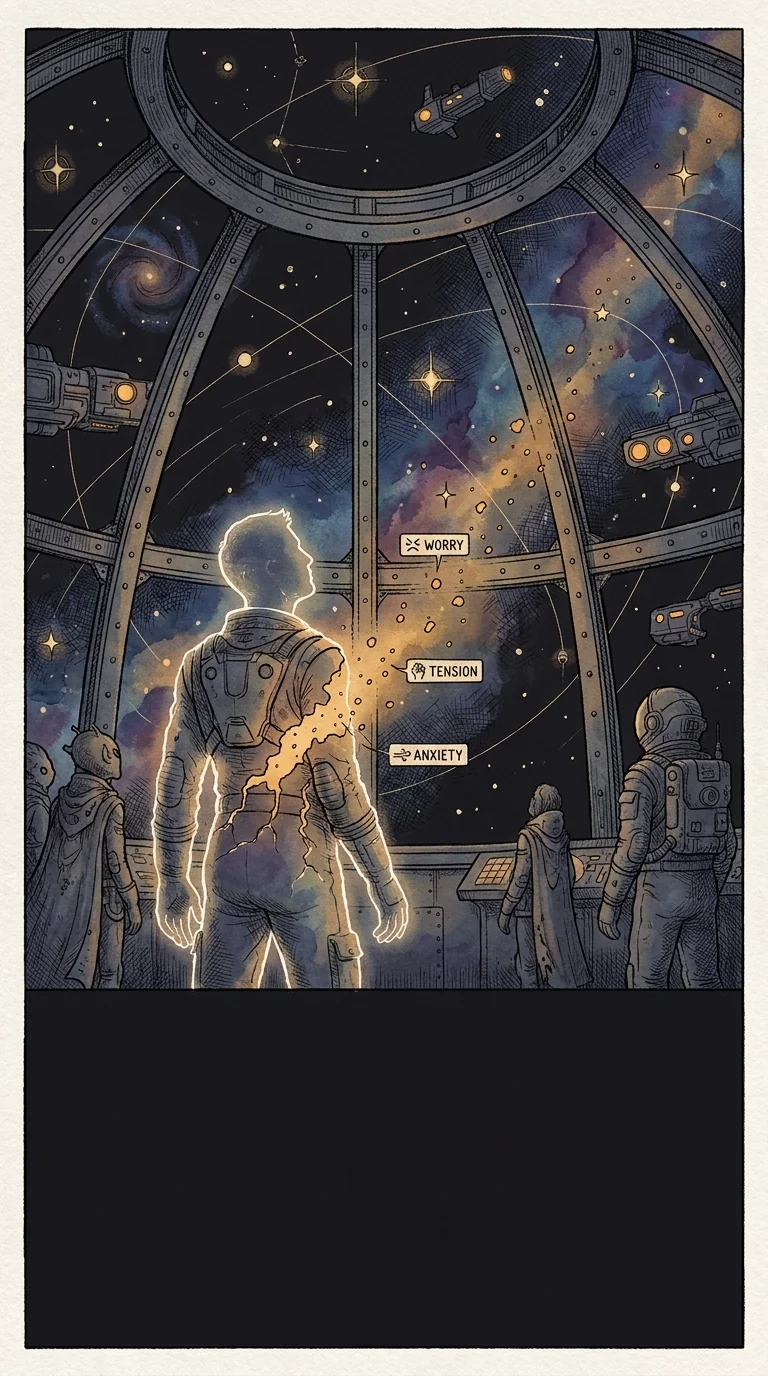
Researchers call them "leakage cues" — the signals that escape when your conscious script and your actual emotional state disagree. They're not flaws. They're data you didn't consent to sharing.

Here's how it works: stress triggers your autonomic nervous system faster than your prefrontal cortex can intervene. Your blink rate spikes, your shoulders climb toward your ears, your voice pitch shifts — all before you've finished deciding what to say. Some people leak a lot. Some barely drip. Neither version is a character judgment — it's just your particular wiring.

Lisa ran weekly crew briefings with perfect composure — steady voice, open posture, textbook calm. But every time she delivered bad news, her left hand found the seam of her sleeve and started picking. Her crew never heard the stress. They saw it, though. Every single time.

Knowing you leak isn't about plugging every hole — it's about knowing which holes are yours. In Part 2, you'll practice spotting your own top three leakage cues using a simple self-observation exercise. See you there.
Part 2: Danger Cues: What Leaks Past the Words — Practice
+10 XP on completion
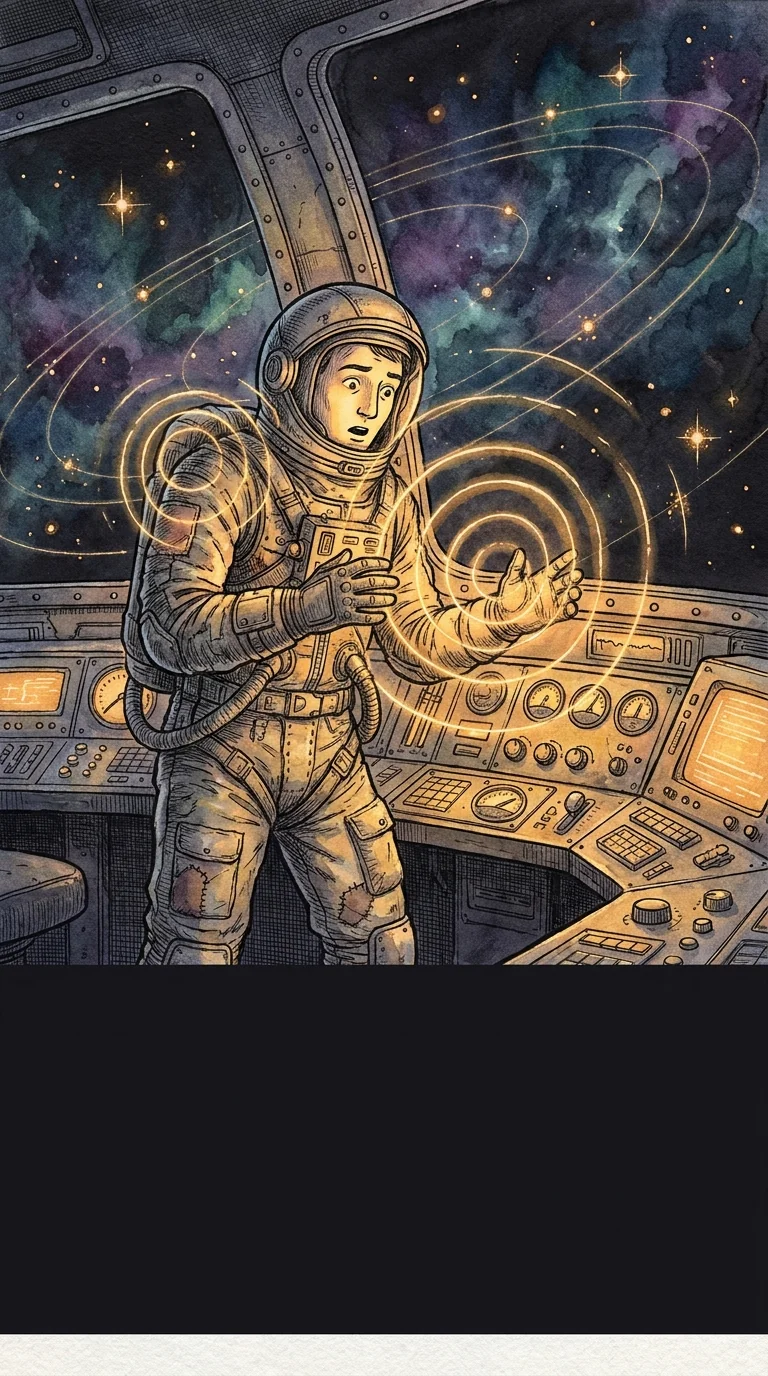
Your body is broadcasting whether you like it or not. The question isn't how to stop the signal — it's how to notice what's already on the air.

Most leakage-spotting fails because people stare at one thing — the hands, the eyes, the mouth — like they're reading a dial. Bodies don't work like dials. They work like weather systems.

So here's the practice: The Three-Channel Scan. Instead of fixating on one body part, you sweep three channels in order — face, torso, hands — and look for the one that doesn't match the words.
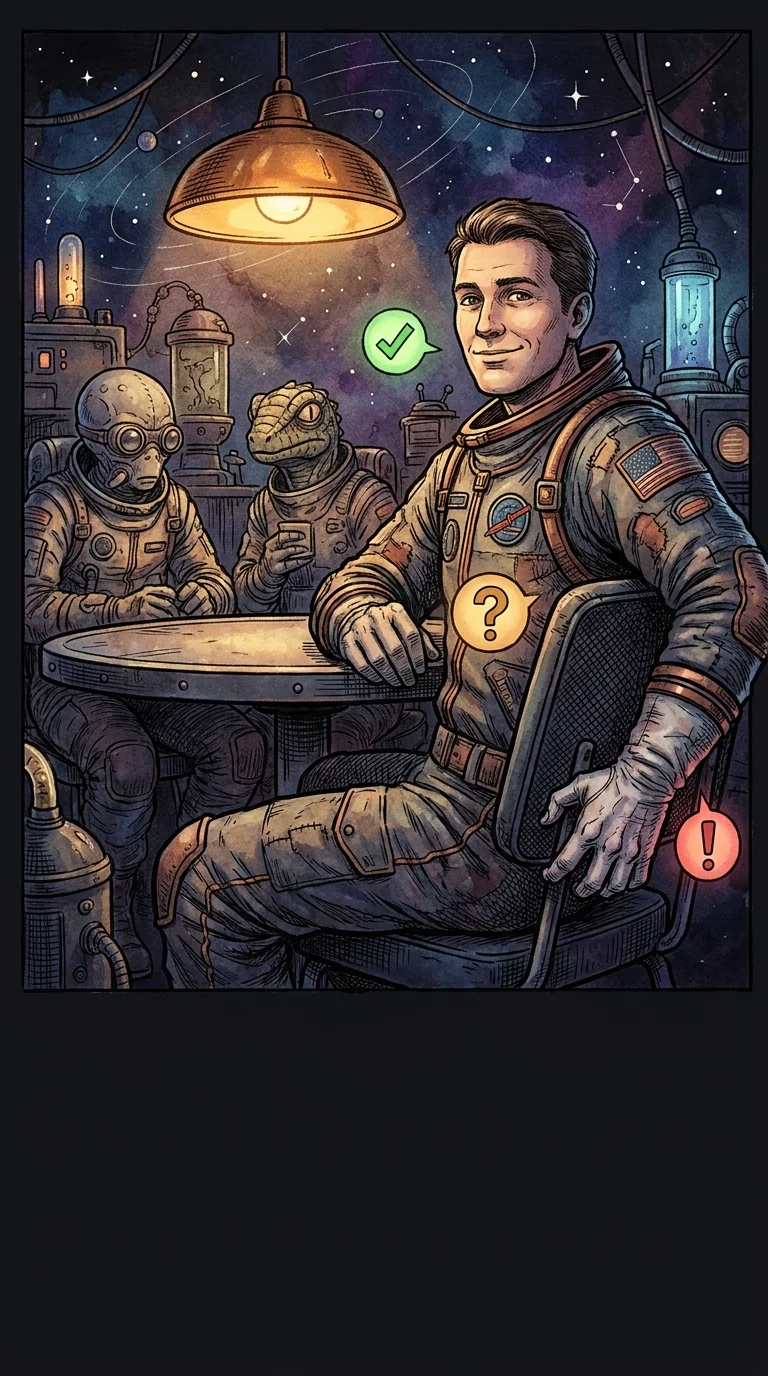
Face says calm, torso is angled away, hands are gripping a chair arm. That mismatch between channels is your data. You don't diagnose it — you just log that one channel broke rank.

Lisa ran the Three-Channel Scan during a team debrief. Her colleague's face was nodding along, but his torso had gone rigid and his fingers were drumming the table edge. She didn't call it out — she just asked a softer follow-up question. He exhaled and finally said what was actually bothering him.

You now have a repeatable scan you can run in about three seconds — face, torso, hands. Practice it in your next conversation. You're not reading minds. You're just finally reading the room.