Charisma = Warmth + Competence (Two Signals, One Readout)
You've met someone who lights up a room without being the loudest person in it. You've also met someone loud who empties a room just as fast. Charisma isn't volume — so what is it?
Part 1: Charisma = Warmth + Competence (Two Signals, One Readout) — Concept
+5 XP on completion
You've met someone who lights up a room without being the loudest person in it. You've also met someone loud who empties a room just as fast. Charisma isn't volume — so what is it?
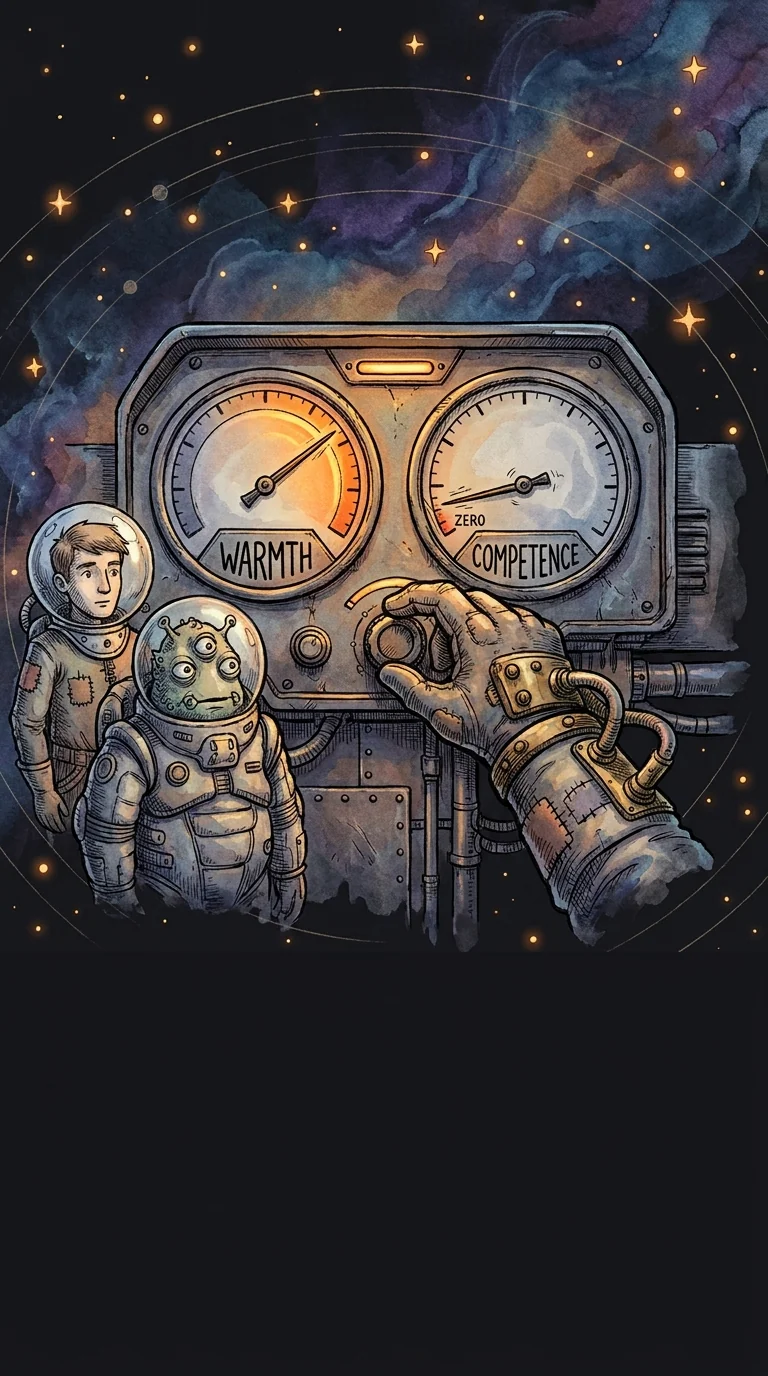
We treat charisma like it's factory-installed — some people got it, you didn't, tough luck. That's the myth. The real problem is that charisma is two separate signals, and you're probably only broadcasting one.
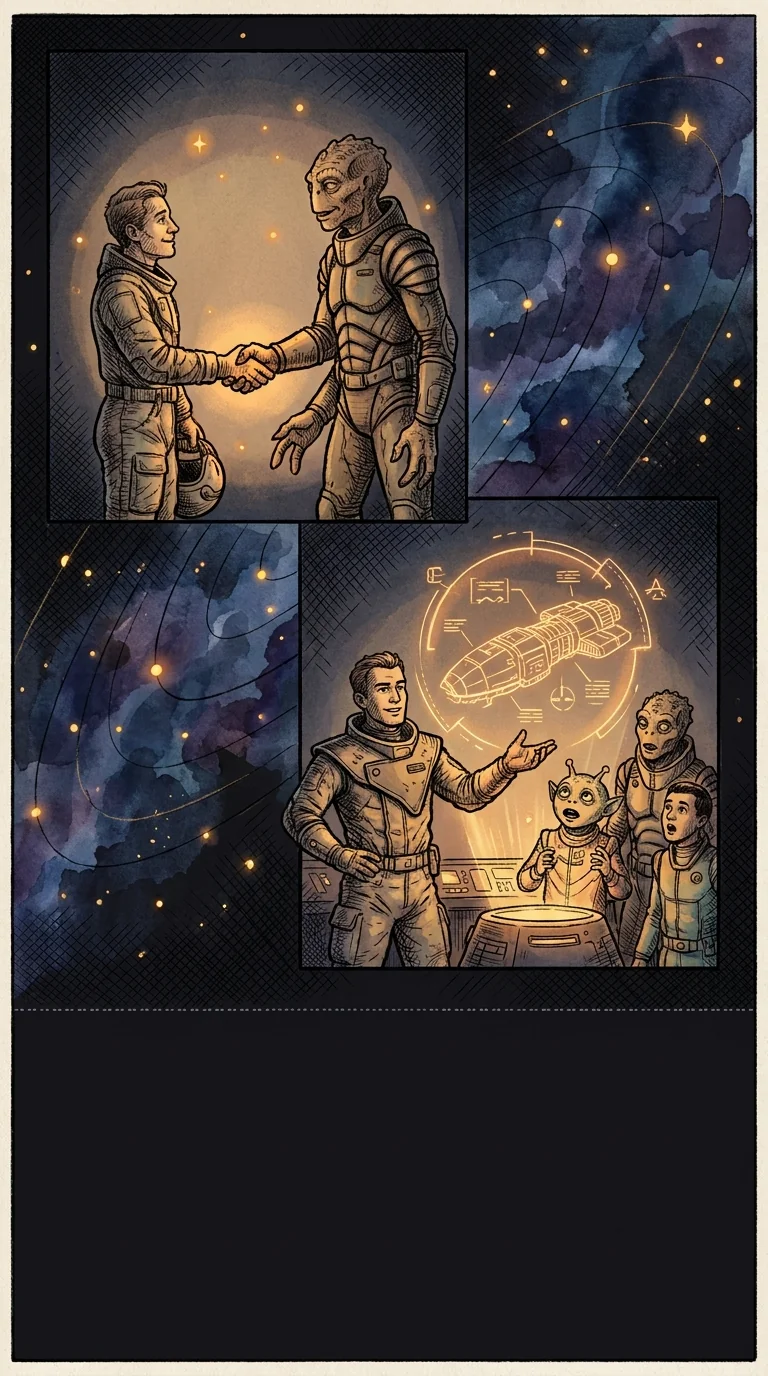
Researchers nailed this down: when people size you up, they're running exactly two questions. "Can I trust this person?" — that's warmth. "Can this person deliver?" — that's competence. Charisma is what happens when both needles read high at once.
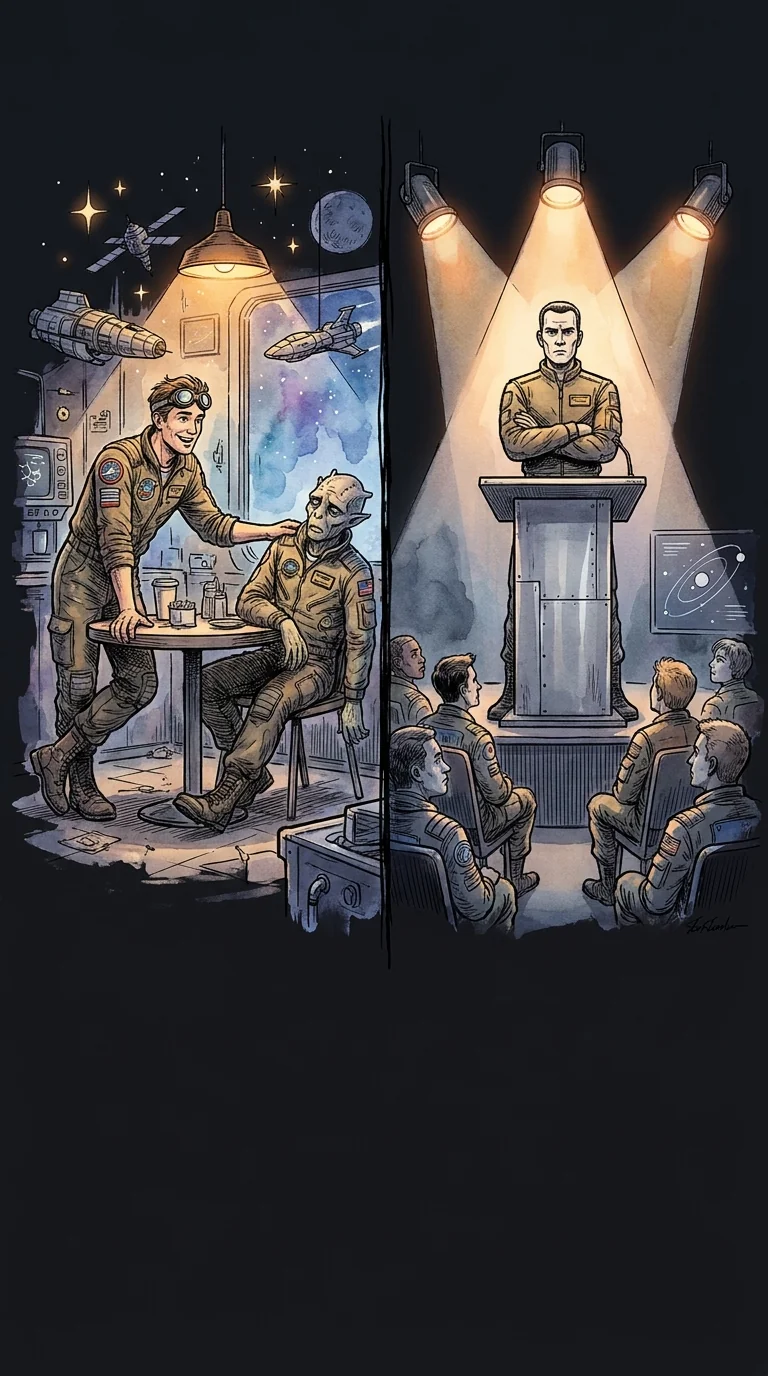
High warmth, low competence — you're sweet but nobody follows you into the airlock. High competence, low warmth — you're impressive but people keep their distance. The calibration between them is the whole game, and you can adjust both dials on purpose.

Marcus ran every team meeting like a flawless briefing — data sharp, agenda tight, zero wasted seconds. People respected him. Nobody relaxed around him. The day he started meetings by asking how people's weekends went — thirty seconds of warmth — his team started actually volunteering ideas. Same competence. One new dial.

Charisma isn't a gift. It's a mix — and you already have both ingredients, just maybe not in the ratio the room needs right now. In Part 2, you'll practice reading which signal you're under-broadcasting and adjusting it in real time. See you there.
Part 2: Charisma = Warmth + Competence (Two Signals, One Readout) — Practice
+10 XP on completion

Charisma is two dials — warmth and competence — and you've been turning them without looking. Time to read the panel.
Most calibration goes wrong because you default to one dial. All warmth reads as eager. All competence reads as cold. Neither reads as someone worth following into the unknown.
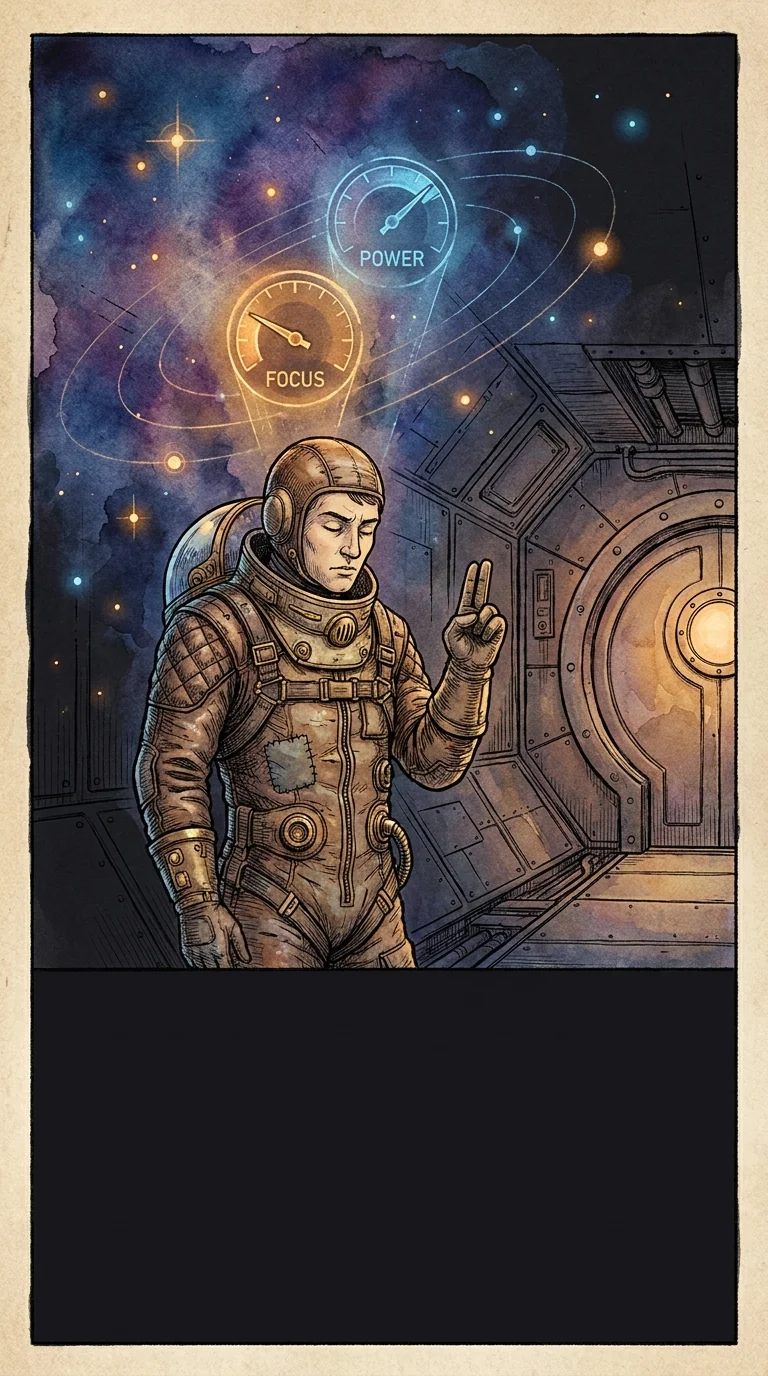
The technique is called the Two-Dial Check-In. Before any interaction that matters, you ask yourself two questions: what's my warmth at, and what's my competence at — then you nudge the one that's lagging.
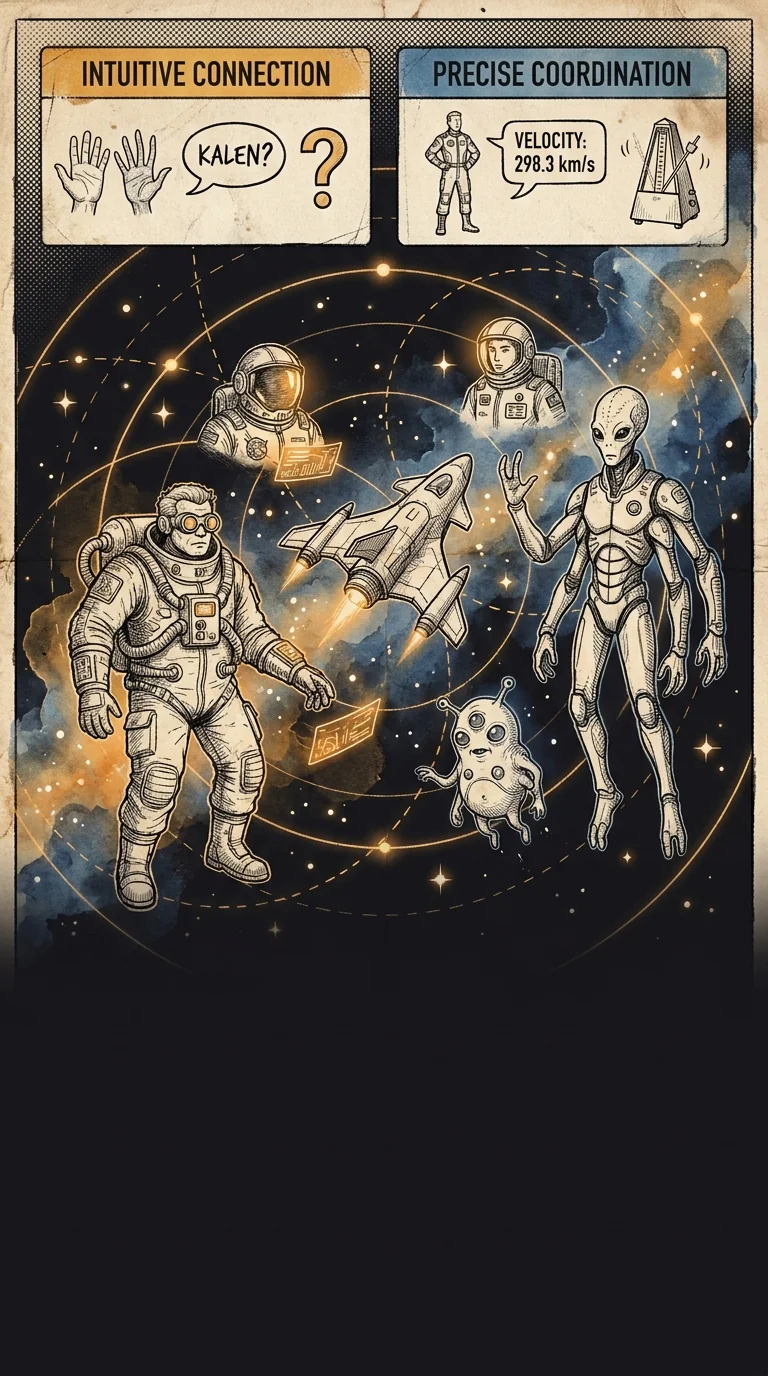
Warmth dial low? Uncross your arms, use their name, ask one real question. Competence dial low? Slow your speech, stand a fraction taller, state one specific thing you know. Small moves. Both dials shift faster than you'd guess.

Marcus ran his check-in before a crew briefing and realized he was all competence, zero warmth — robotic, basically. He uncrossed his arms, asked his co-lead how her weekend went, then delivered the same sharp data. People actually looked at him this time. Novel experience.

You've got two dials now, and you know where they sit. Run the check-in three times today — before a call, a meeting, a conversation. You'll start hearing the difference in how people respond.