Your Baseline Recording
You've spent thousands of hours looking at other people's faces. You've spent approximately zero hours watching your own face do its thing in real conversation. That gap is doing more damage than you'd think.
Part 1: Your Baseline Recording — Concept
+5 XP on completion
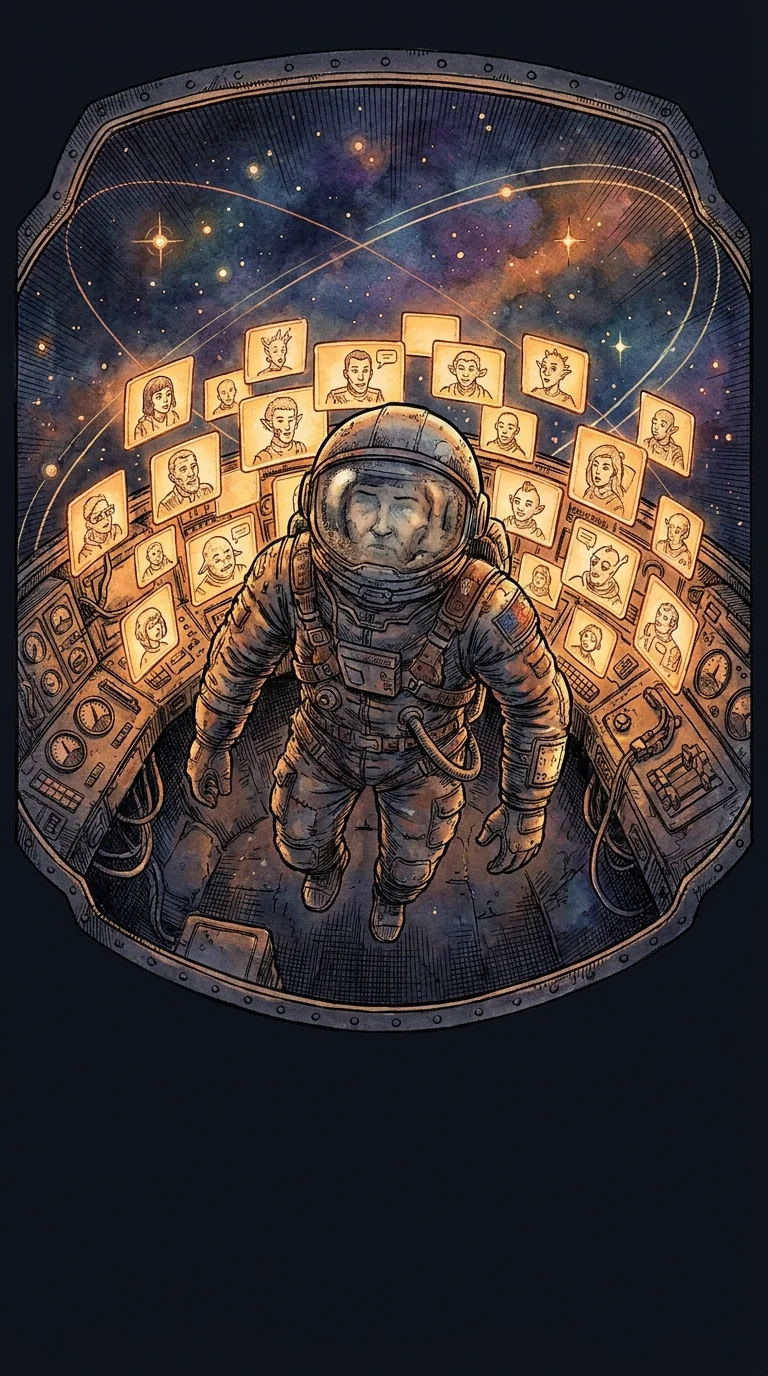
You've spent thousands of hours looking at other people's faces. You've spent approximately zero hours watching your own face do its thing in real conversation. That gap is doing more damage than you'd think.
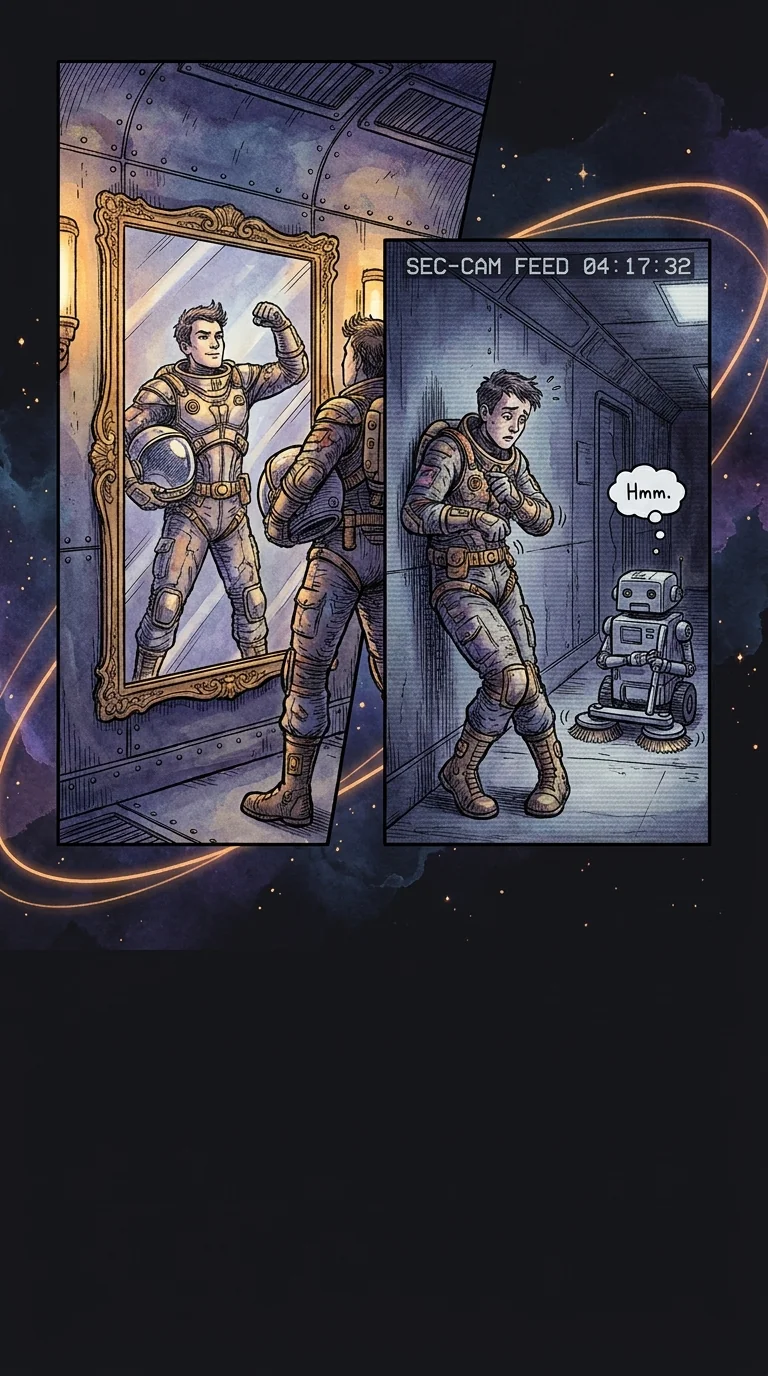
You assume you know what you look like when you talk. You don't. Your mental self-image is a composite sketch drawn from mirrors, good-angle selfies, and wishful thinking — not from how you actually land on another human being.
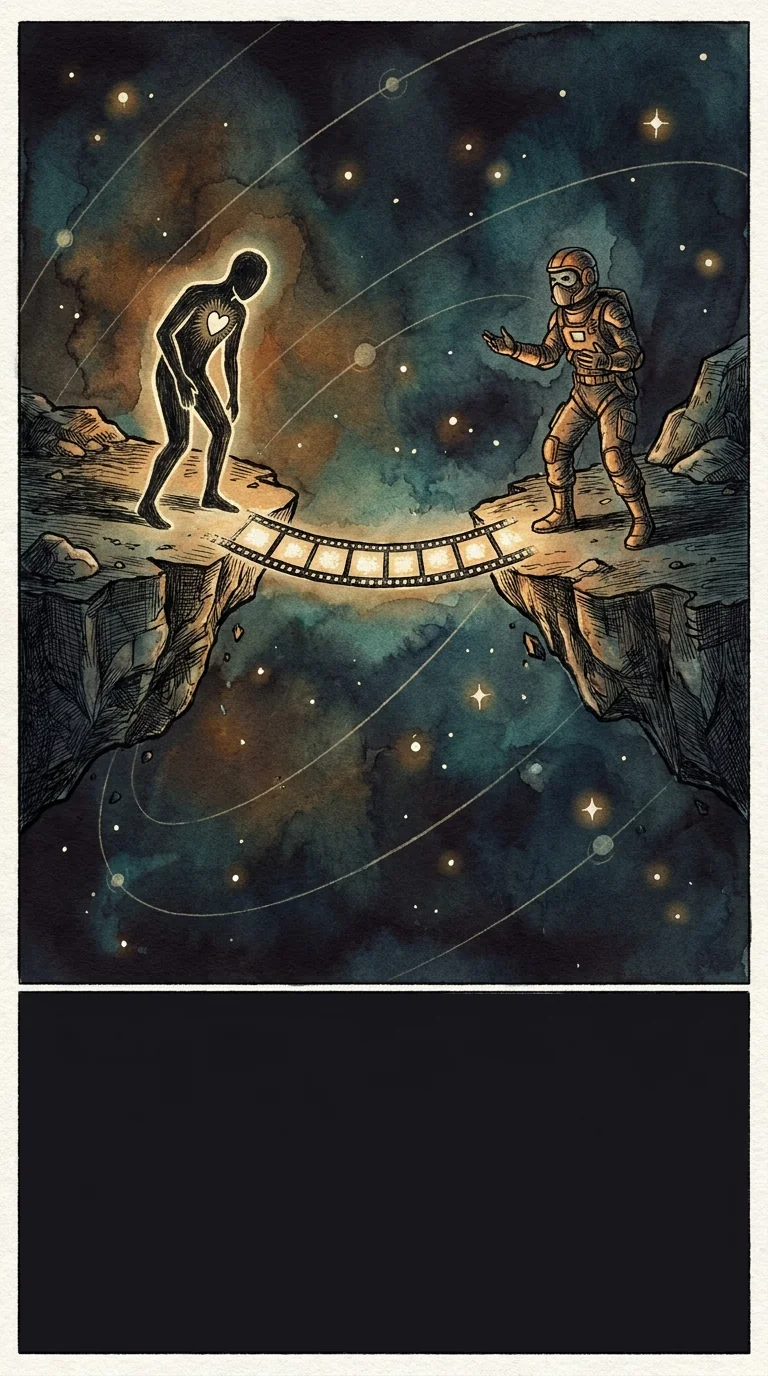
Here's what nobody admits: the gap between how you feel inside and how you read outside is enormous. Sixty seconds of video closes that gap faster than a year of guessing.
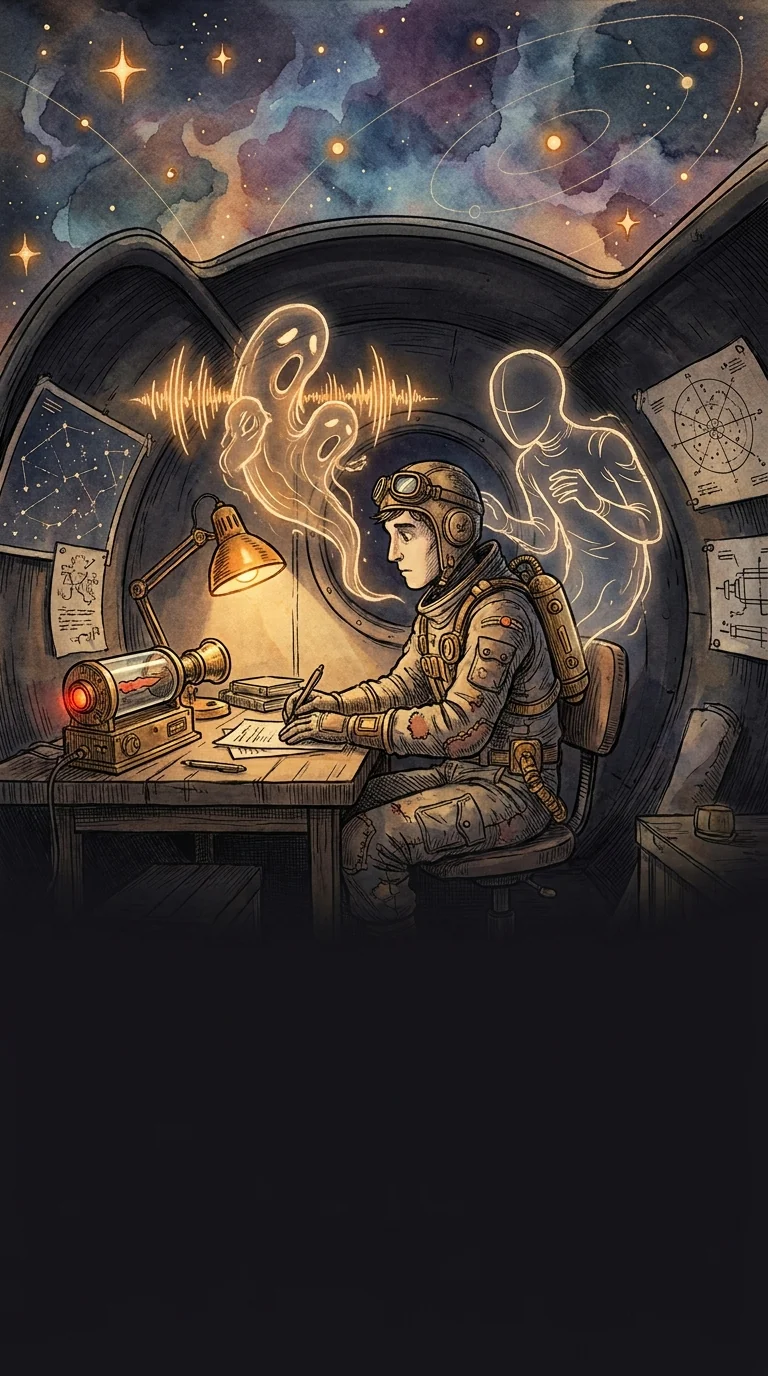
Record yourself talking for one minute — about anything. Then watch it with the sound off. You'll notice your hands, your posture, your micro-expressions. The audio version of you is a different character than the visual one, and your audience gets both at once.
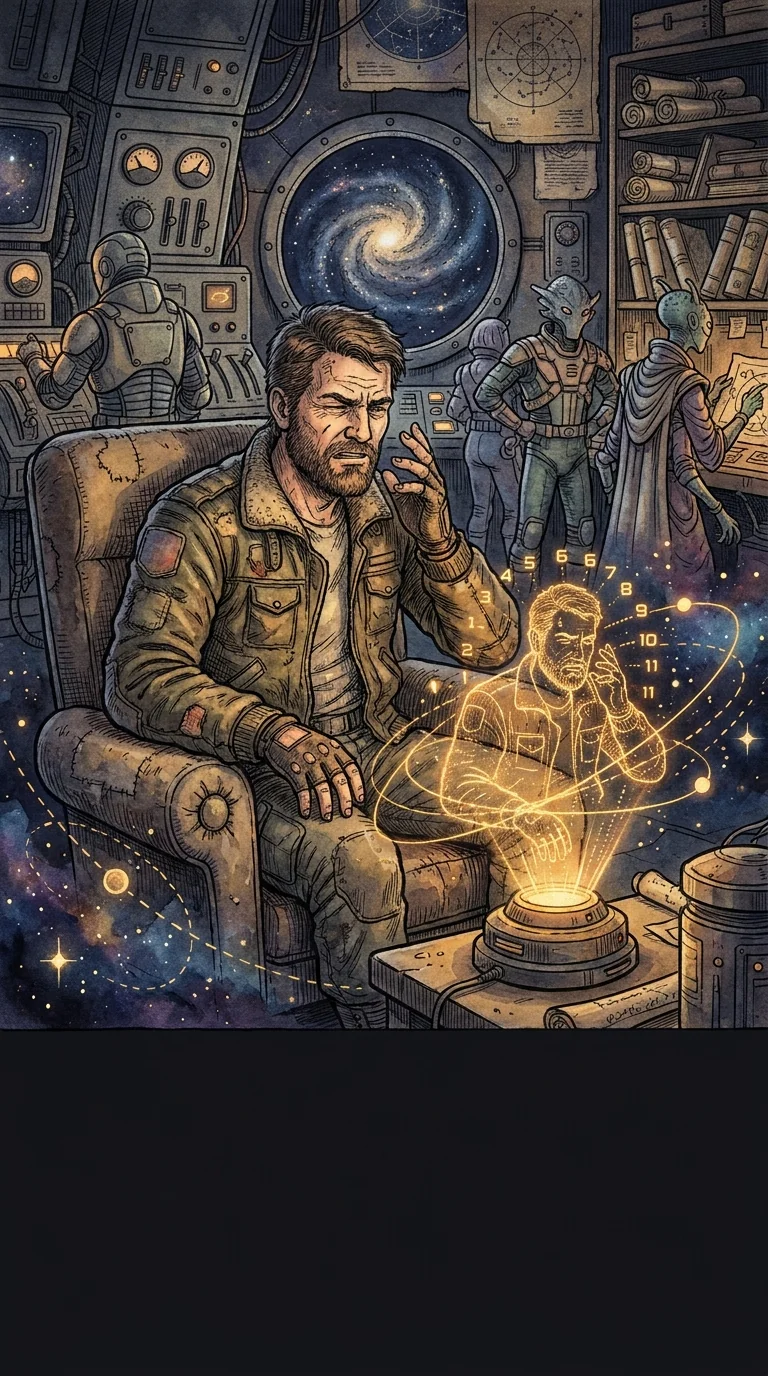
Marcus thought he came across as calm and collected. Then he watched his recording. Turns out calm-and-collected Marcus touched his face eleven times in sixty seconds and looked like he was trying to escape his own chair. Useful information. Uncomfortable, but useful.
You don't need to fix anything yet. You just need to see the raw footage — no filters, no audience, no judgment. In Part 2, you'll practice making your first 60-second baseline recording. See you there.
Part 2: Your Baseline Recording — Practice
+10 XP on completion
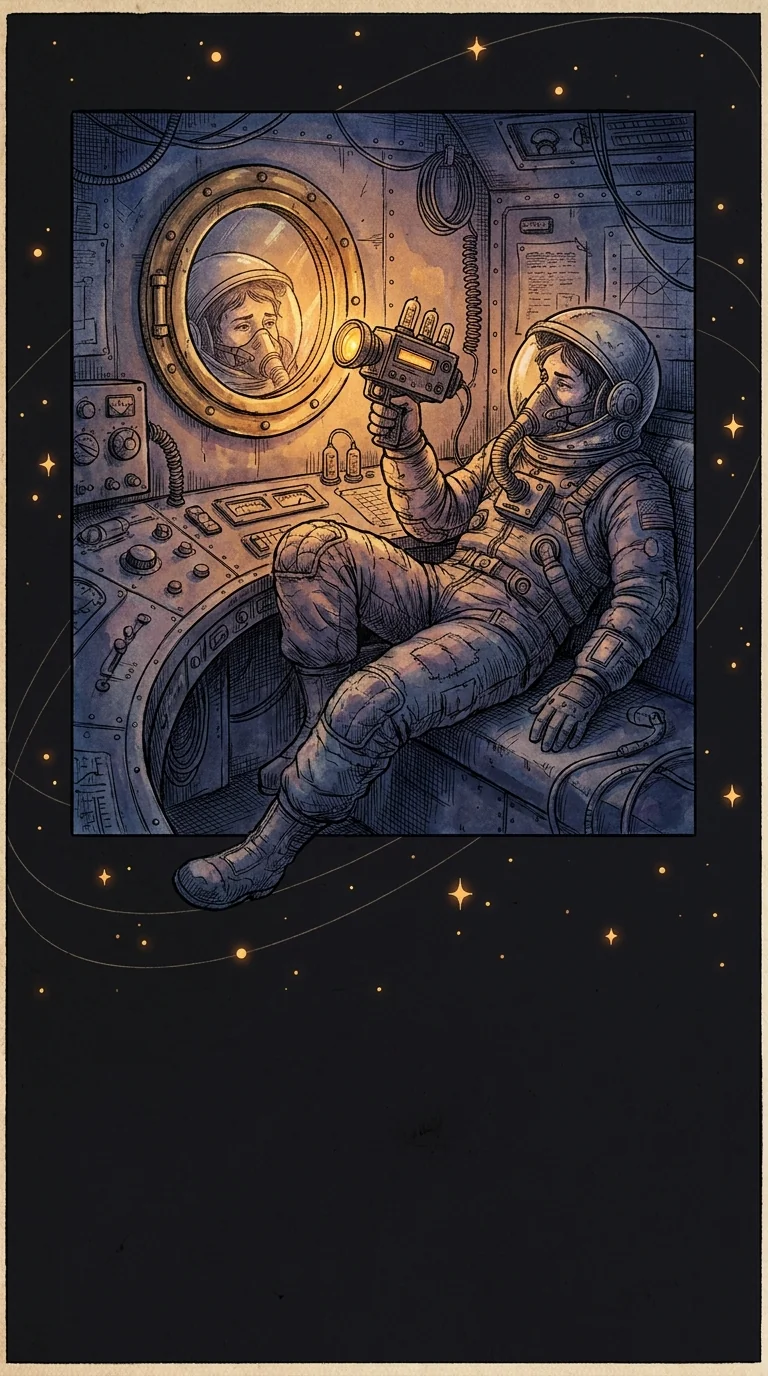
You can't recalibrate an instrument you've never read. Today you press record — not for anyone else, just for the raw data of you.
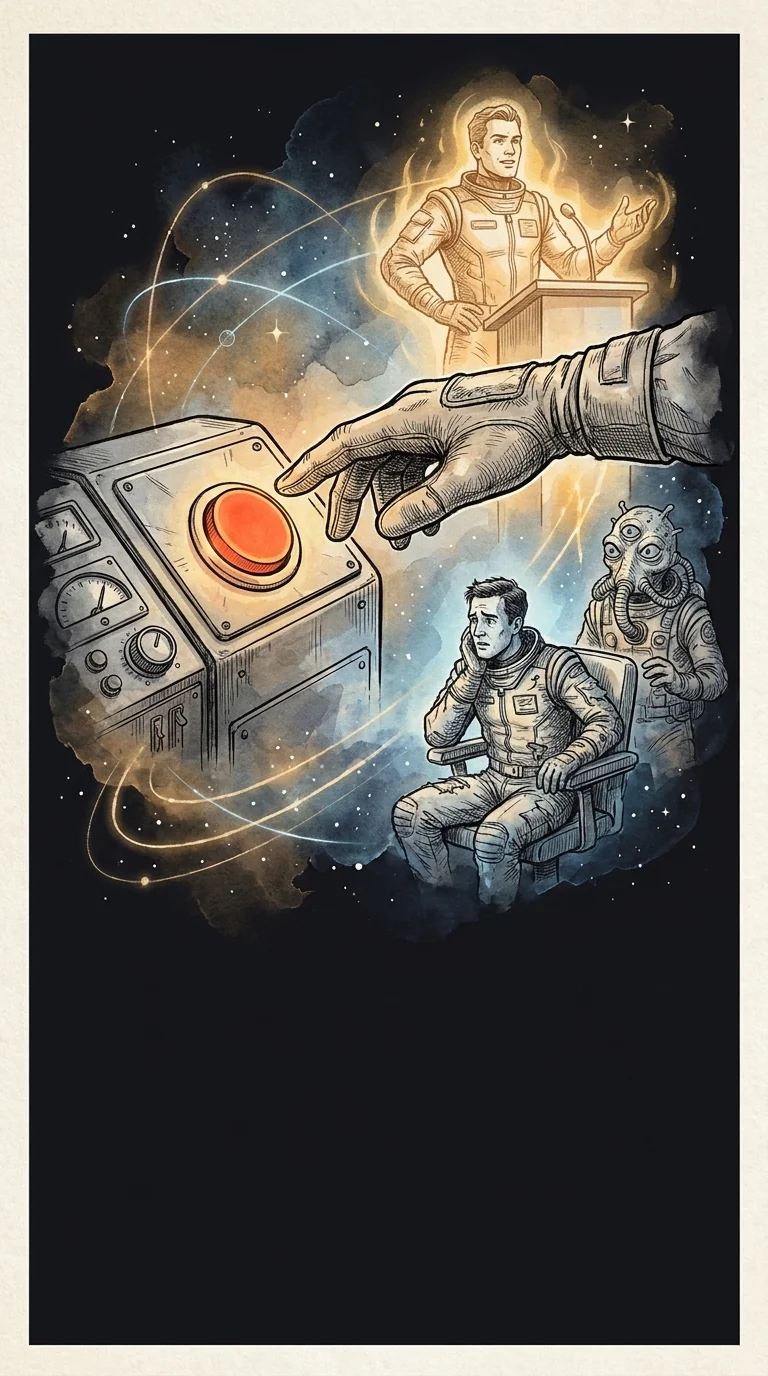
Most recordings never happen because the cringe hits before the record button does. You imagine some polished version of yourself, and when the real one shows up, you flinch and delete.
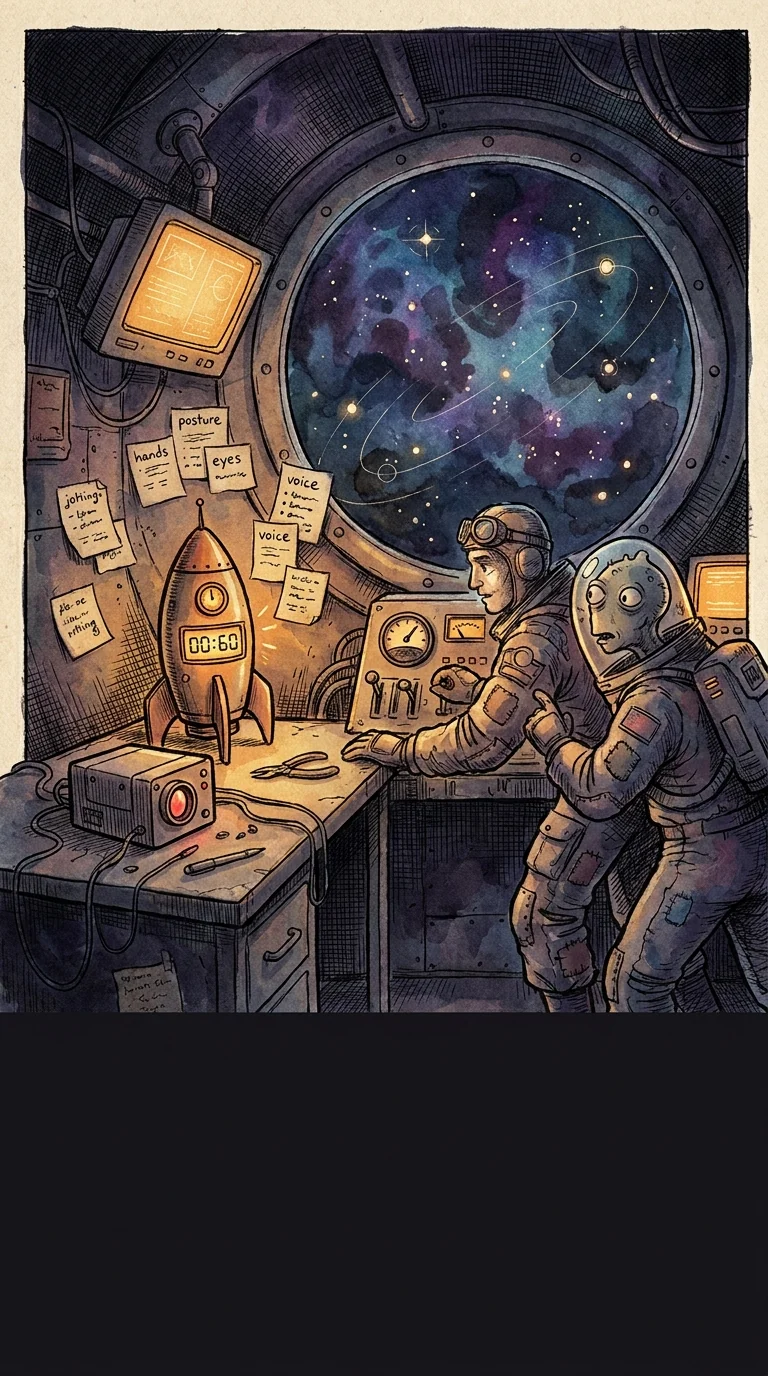
The technique is called the 60-Second Scan, and the whole point is that it's too short for performance mode to kick in. Sixty seconds. You talk about your day, what you had for lunch, literally anything — because the content doesn't matter. Your delivery does.
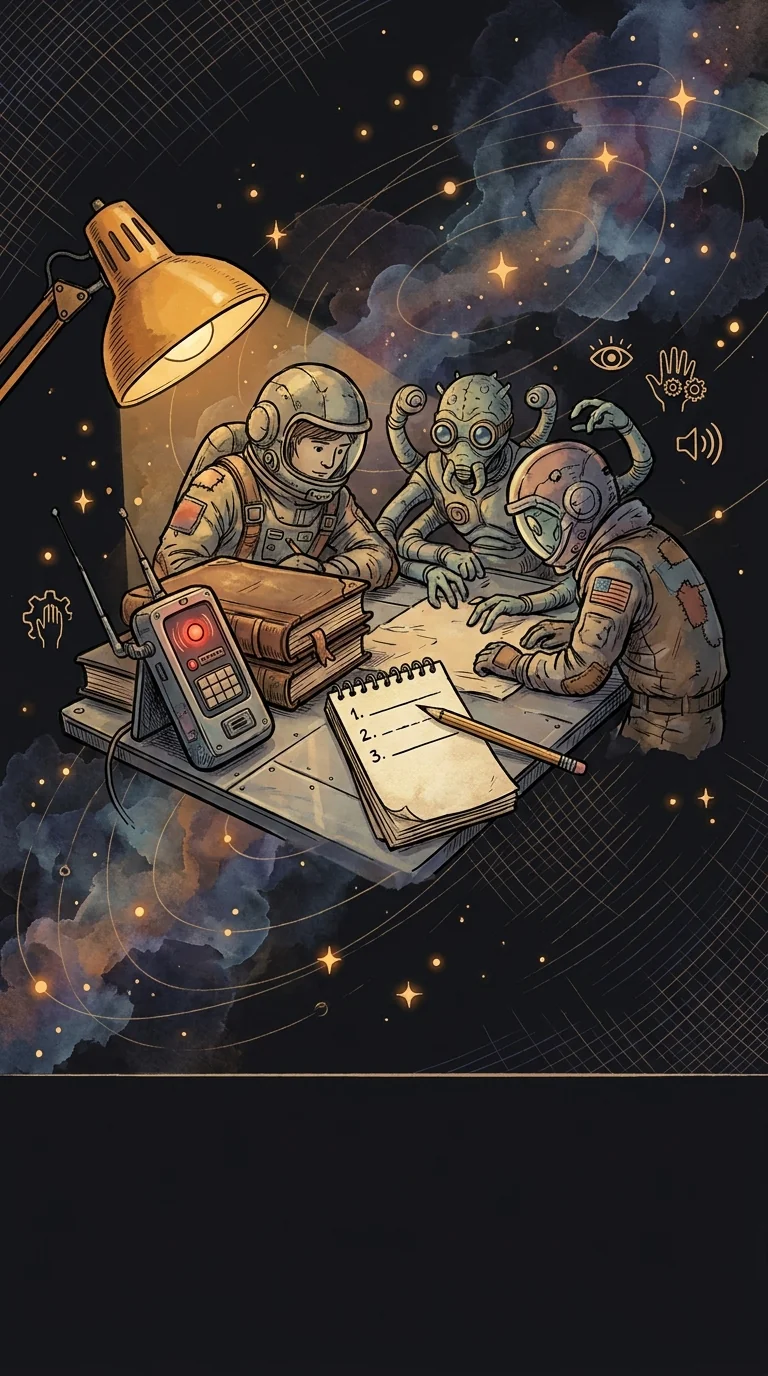
Here's how it works: prop your phone up, hit record, and talk for one minute about anything low-stakes. Then watch it back once — not to judge, just to notice. Where do your eyes go? What do your hands do? Does your voice match what you think it sounds like? Write down three observations. That's it.
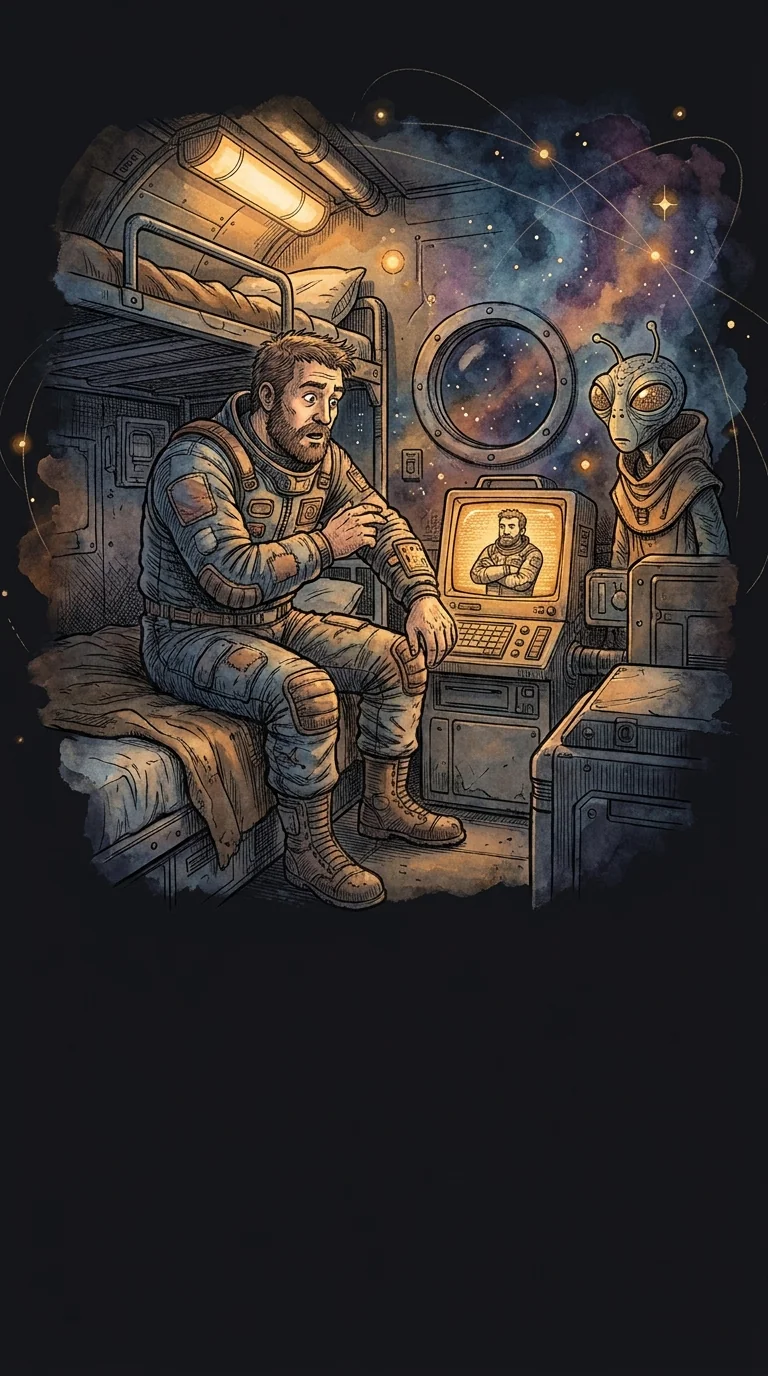
Marcus did his first 60-Second Scan talking about a sandwich. Watching it back, he noticed he crossed his arms every time he paused to think — like he was literally guarding himself from his own silence. One small observation. One huge piece of data he'd carried for years without seeing.

You now have something almost nobody bothers to collect: an honest reading of your own signal. Tomorrow we'll talk about the two frequencies that reading is actually broadcasting — warmth and competence. Spoiler: you're already sending both.