Appropriate Touch: Reading the Range
A handshake that lingers one second too long. A pat on the back that lands on someone who didn't want to be touched at all. Touch is the warmth channel with zero margin for error.
Part 1: Appropriate Touch: Reading the Range — Concept
+5 XP on completion

A handshake that lingers one second too long. A pat on the back that lands on someone who didn't want to be touched at all. Touch is the warmth channel with zero margin for error.
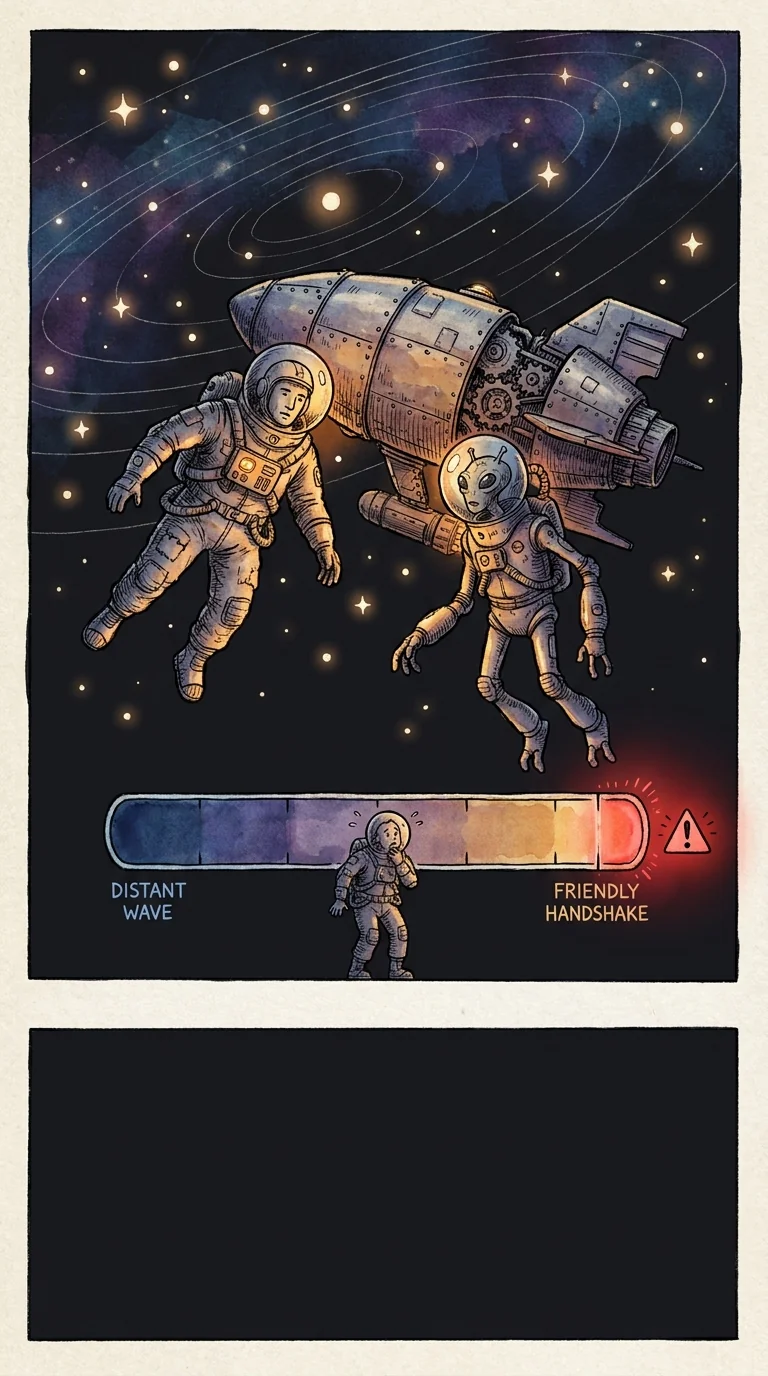
Most warmth channels — eye contact, tone, remembering a name — have a generous margin. Get them slightly wrong and people forgive you. Touch doesn't work that way. One degree off and it stops being warm and starts being a story someone tells about you later.
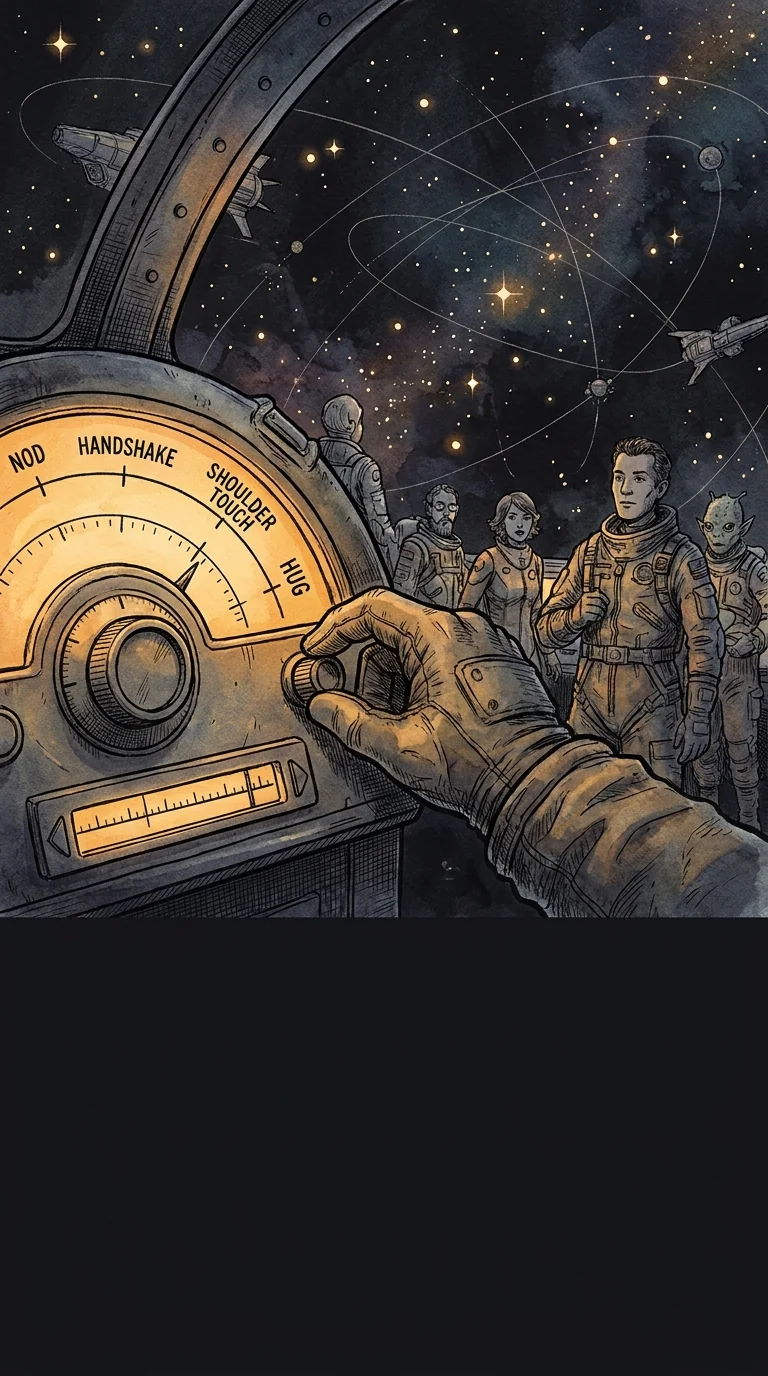
Here's what nobody admits: touch isn't one thing. It's a range — from zero contact to full embrace — and the right spot on that range shifts with every person, every context, every mood. Reading it correctly is the skill. Not just being "a hugger" or "not a hugger."
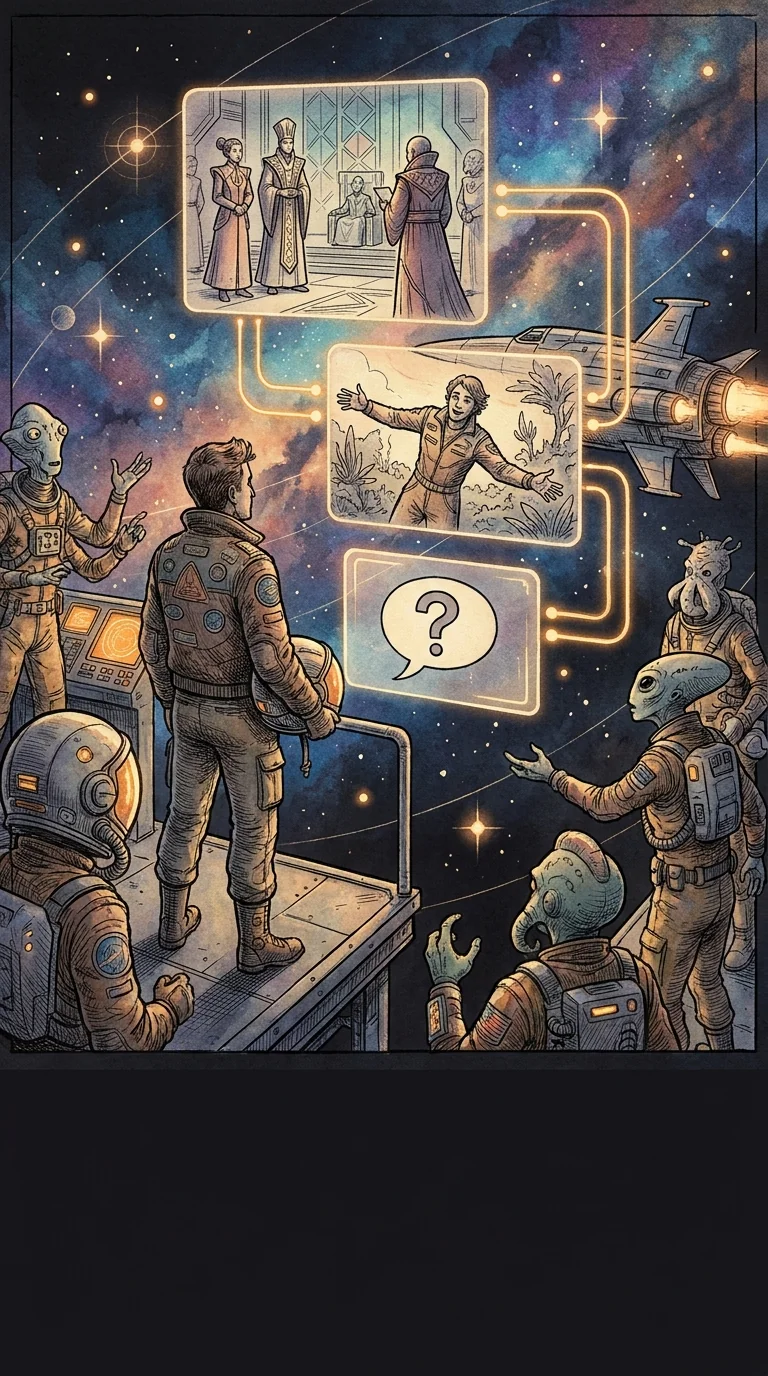
The mechanism is a three-step read: context (professional or personal?), signals (are they leaning in or holding space?), and permission (implicit or, when in doubt, explicit). You're not guessing — you're observing. The difference between those two things is enormous.
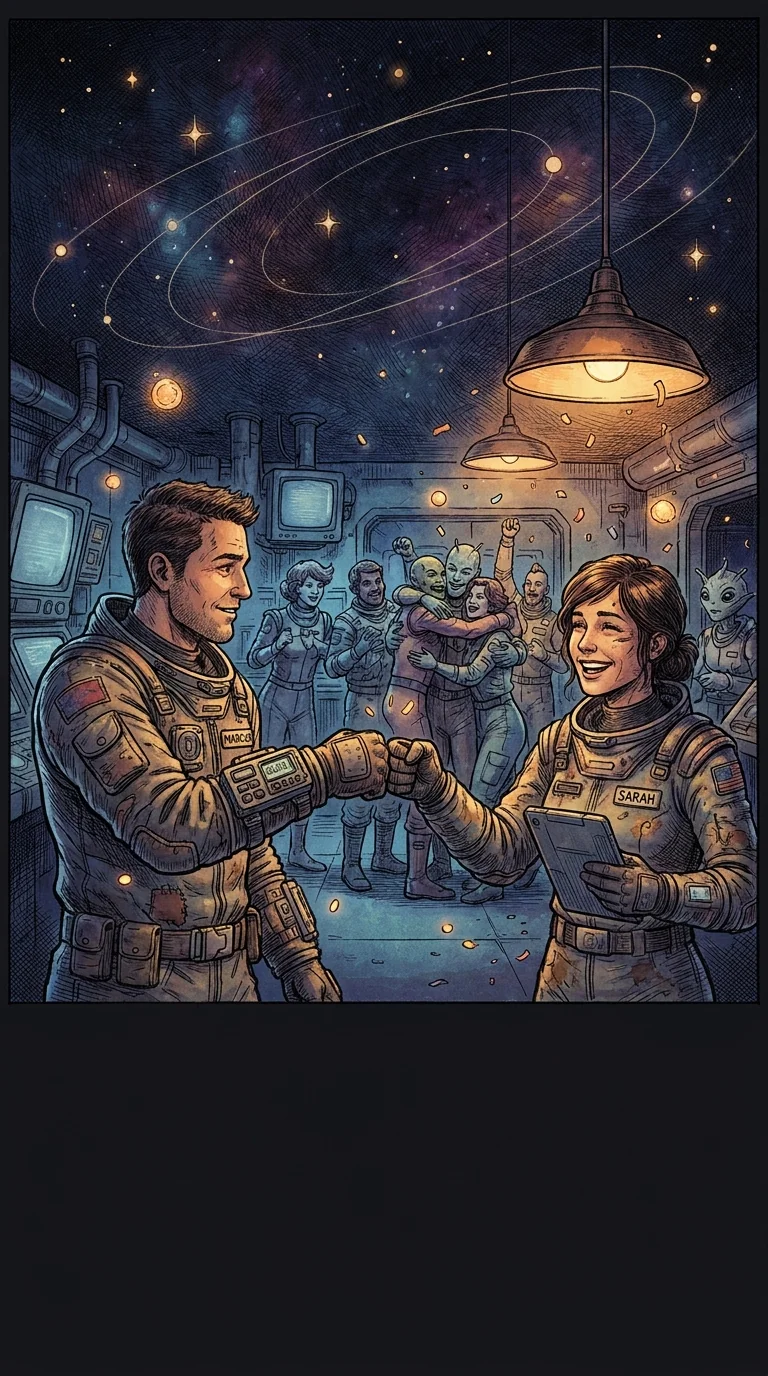
Marcus noticed his new colleague Sarah always stepped back when people got close. So at the team celebration, instead of the group hug everyone else pulled her into, he offered a fist bump and a genuine "Great work." She smiled — actually smiled — for the first time all week. Smallest gesture on the range. Biggest impact in the room.

Touch done right is warmth at its most immediate. Touch done wrong is a story that follows you home. The difference is reading the range before you reach out. In Part 2, you'll practice calibrating your touch range for three common scenarios. See you there.
Part 2: Appropriate Touch: Reading the Range — Practice
+10 XP on completion
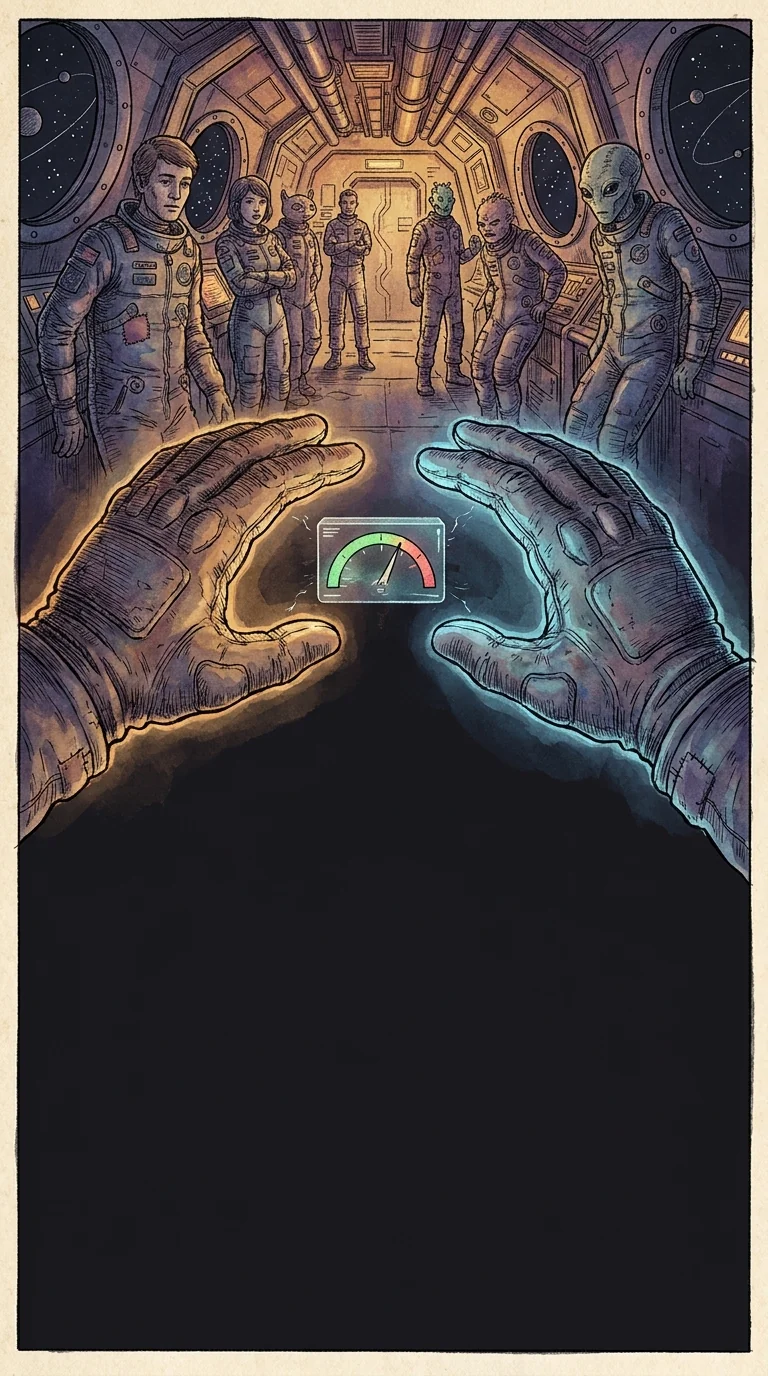
Touch is warmth's most potent signal — and the one most likely to blow up in your hands if you skip the calibration step.
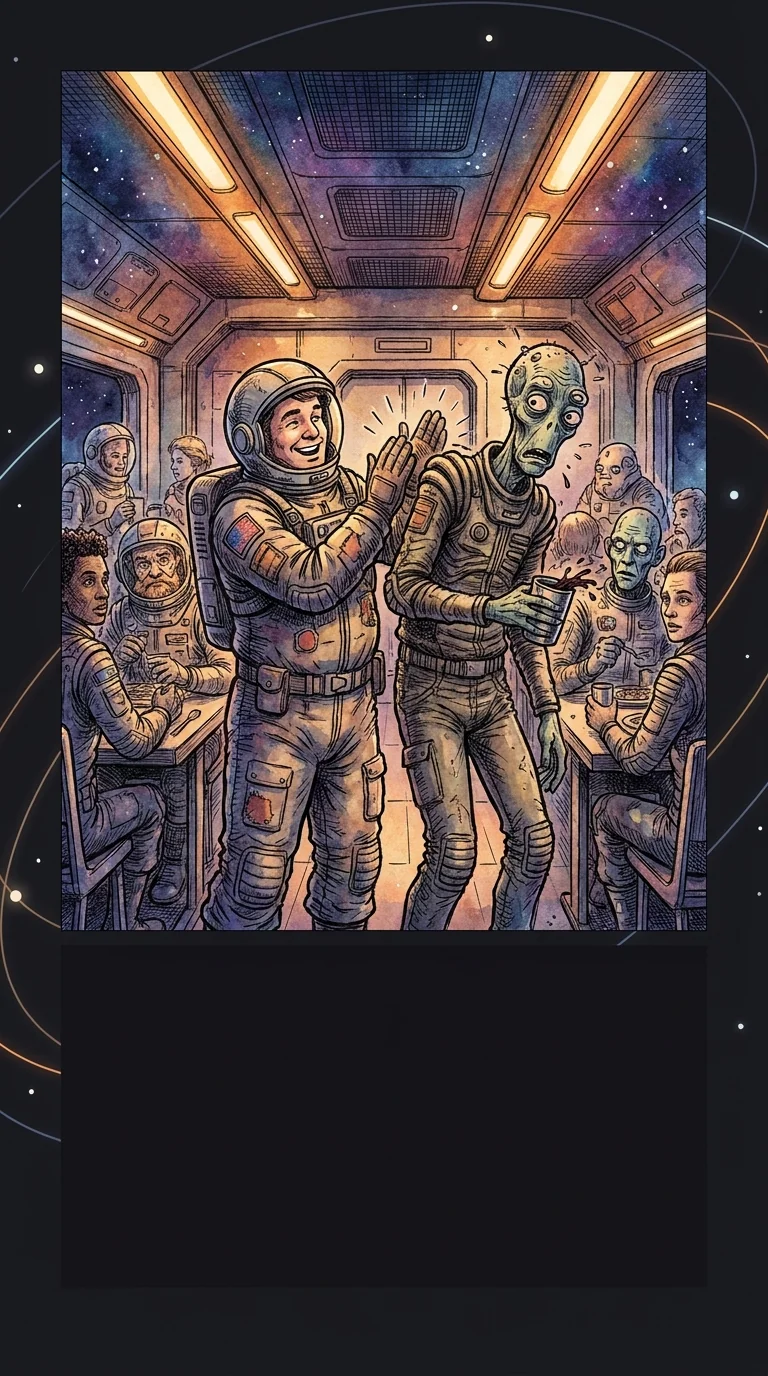
Most touch mistakes aren't malicious — they're lazy. Someone defaults to their own comfort level and assumes the other person shares it. Spoiler: they rarely do.
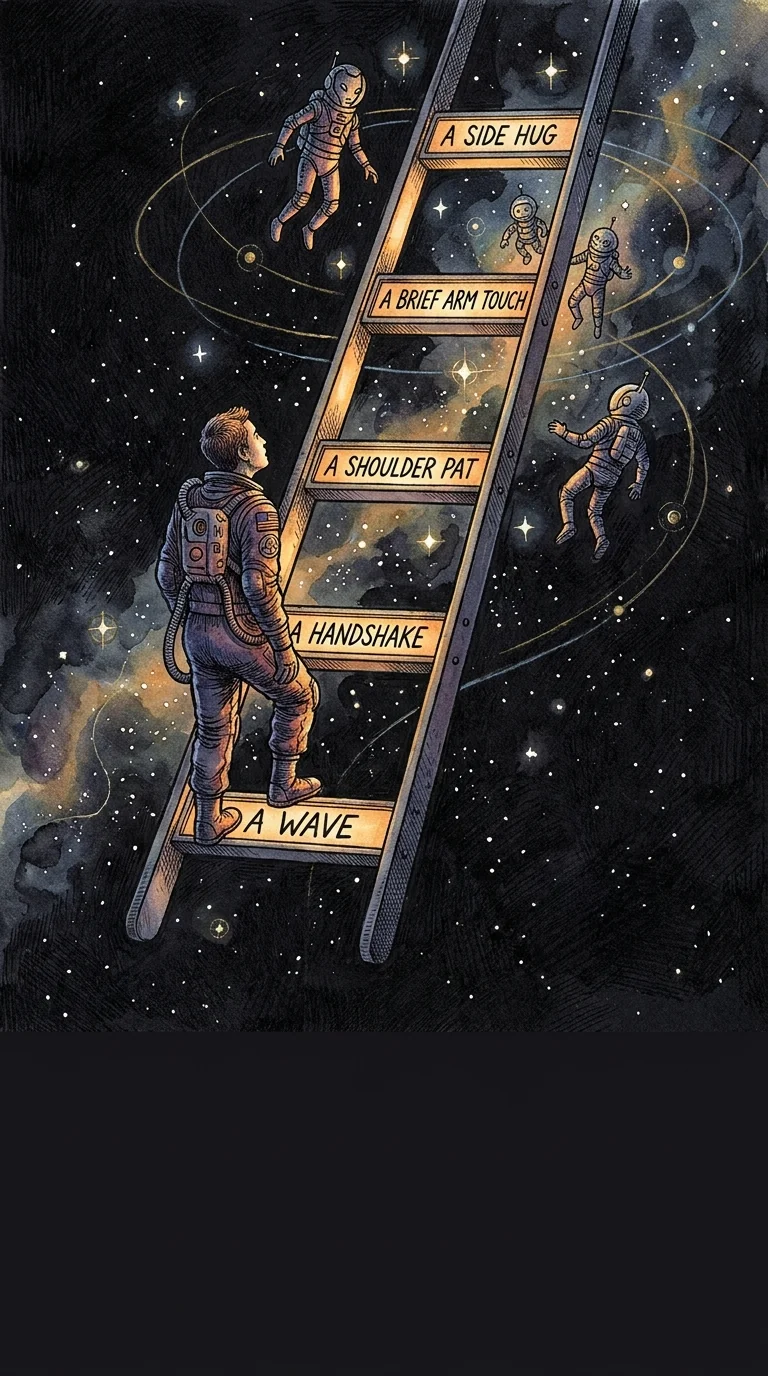
The technique is called the Touch Ladder. You start at the lowest rung — zero contact — and move up only when you get a clear green light. Each rung earns the next one. No skipping.
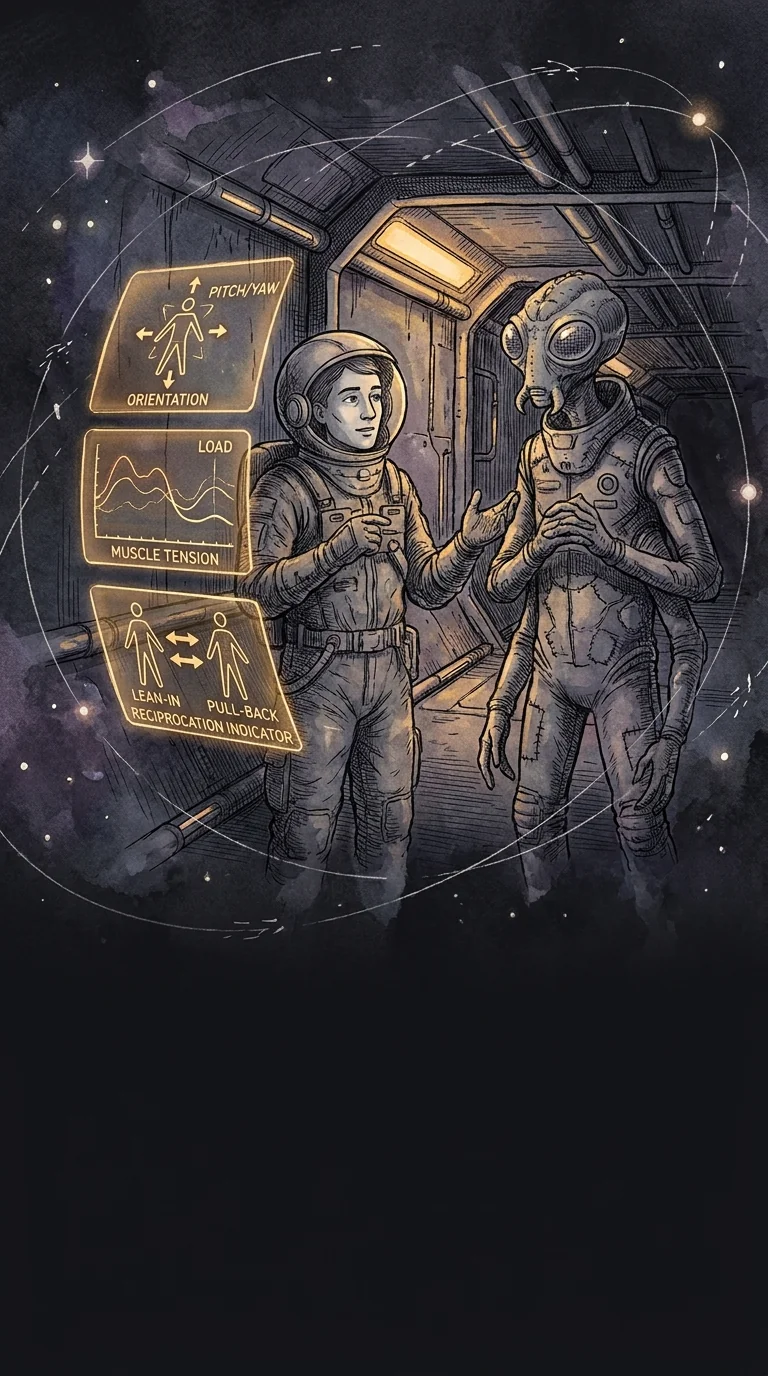
Here's how it works: before you move up a rung, read three things — their body orientation (toward you or away?), their muscle tension (relaxed or braced?), and their reciprocation (did they lean in or pull back?). Three greens, you climb. Anything else, you stay put.
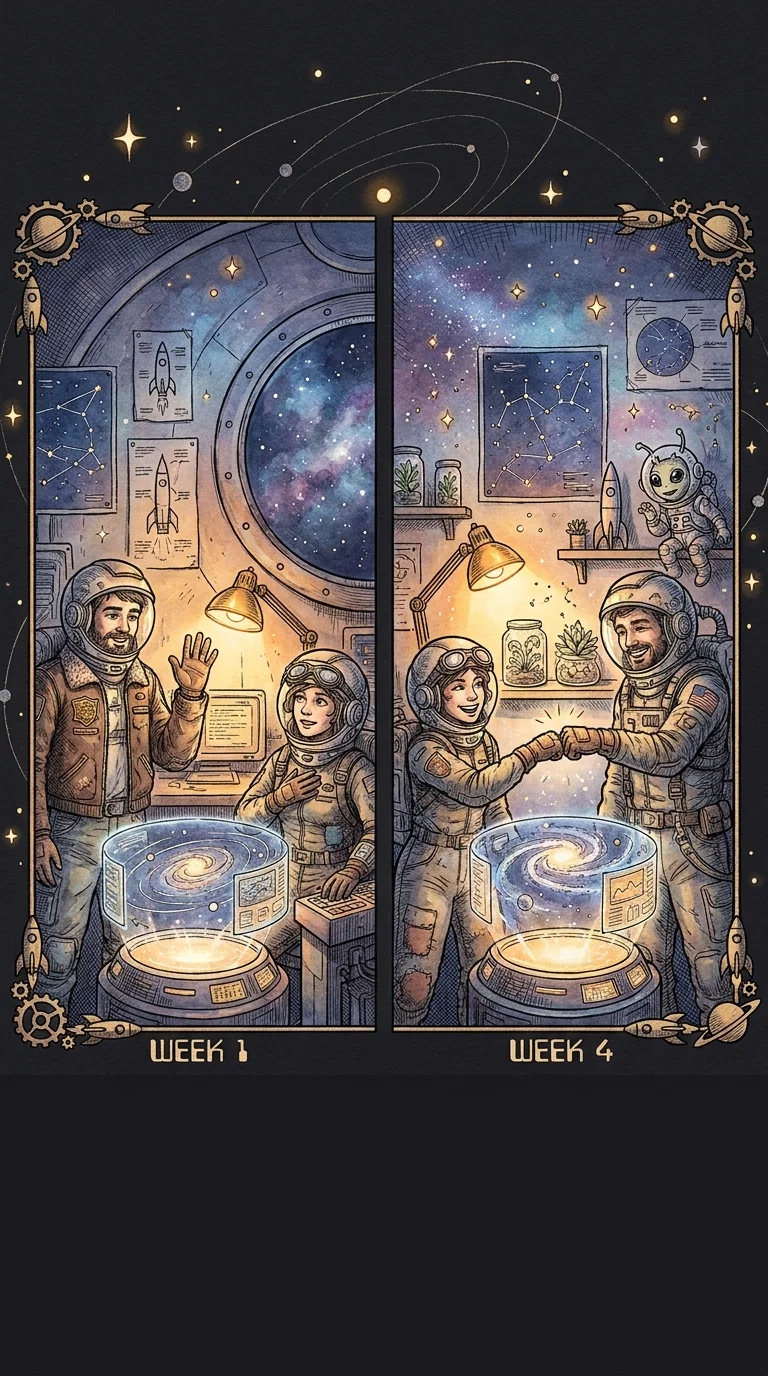
Marcus noticed his new teammate Sarah flinched slightly at handshakes. So he started at the wave rung. Two weeks later, she offered a fist bump after a project win. He matched it — nothing more. By month's end, she was the one initiating the high-fives. The ladder worked because he let her set the pace.

You now have a system that respects the room and still lets real warmth land. Practice the ladder this week — start low, read the signals, and let people meet you where they actually are. That's not hesitation. That's precision.