Stillness: The Competence Signal Nobody Teaches
Watch the person everyone defers to at the next meeting you attend. They're not louder, faster, or more animated — they're stiller than everyone else in the room.
Part 1: Stillness: The Competence Signal Nobody Teaches — Concept
+5 XP on completion

Watch the person everyone defers to at the next meeting you attend. They're not louder, faster, or more animated — they're stiller than everyone else in the room.
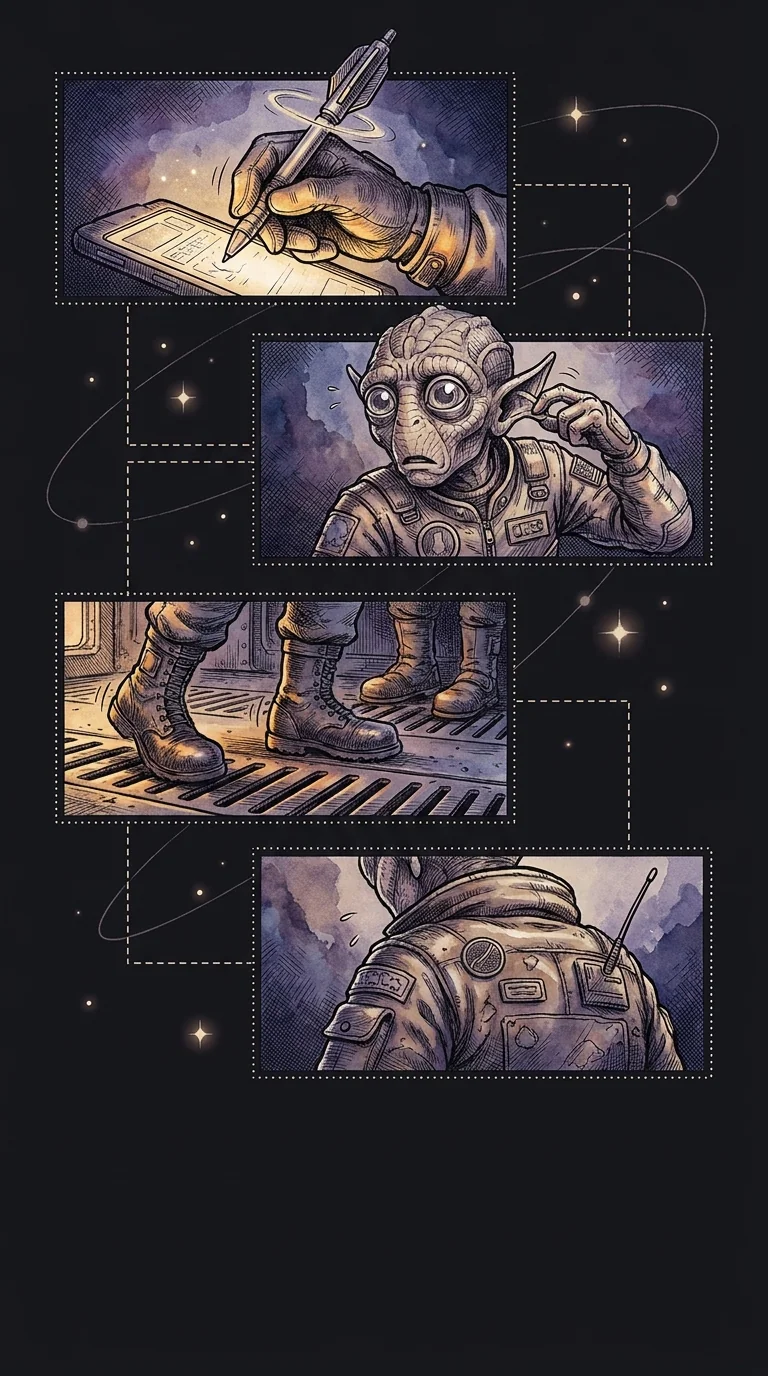
When you're nervous, your body runs a greatest-hits reel of fidgets — hair touch, pen click, weight shift, repeat. Every unnecessary movement whispers the same thing to the room: this person isn't sure they belong here.

Stillness isn't performing calm — it's the absence of performance altogether. Your body stops auditioning for the room and just… occupies it.
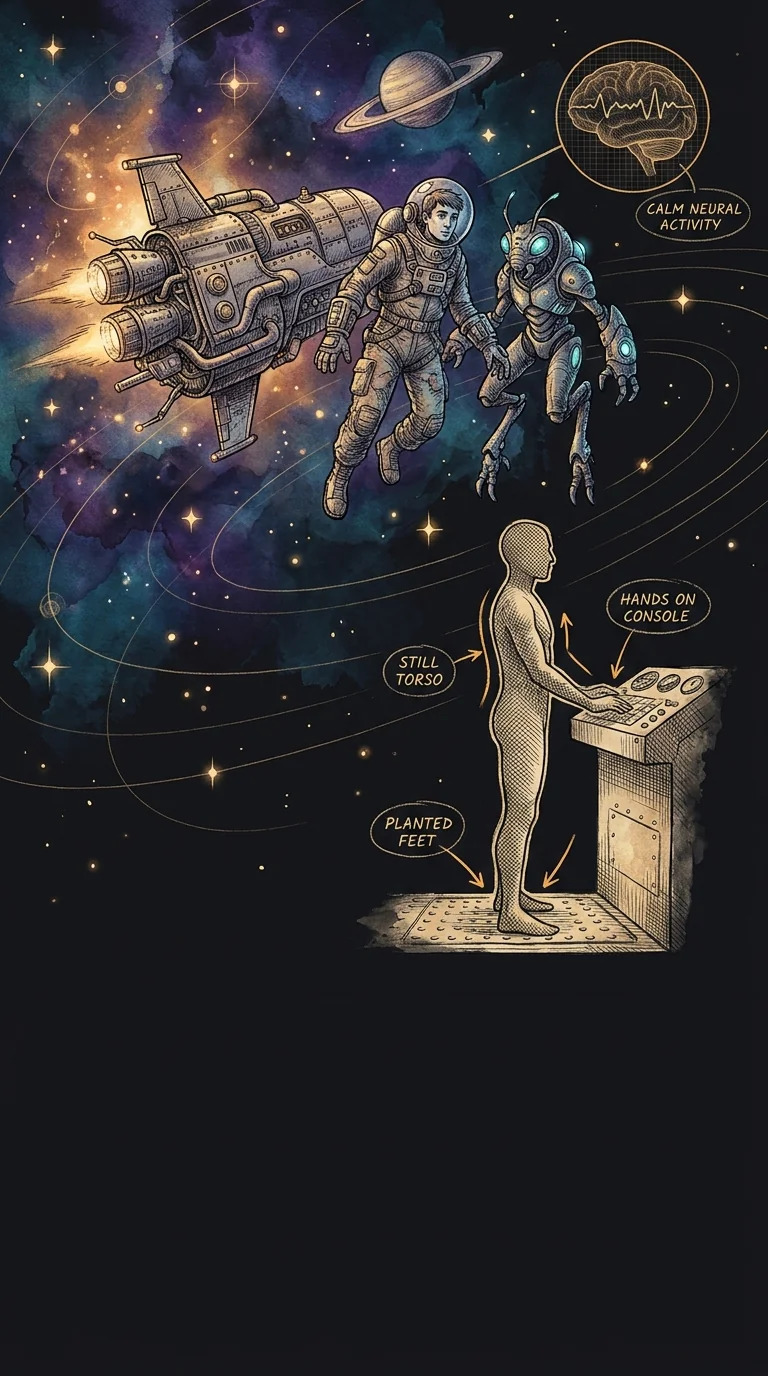
The mechanism is dead simple. Plant your feet. Let your hands rest. When you speak, move only what the words need. Everything else stays quiet — and quiet reads as competence to every primate brain in the room.

Marcus used to pace during briefings — three steps left, pivot, three steps right — until a colleague told him it looked like he was searching for an exit. He stopped moving. Same words, same ideas. The room started listening differently.

Competence doesn't announce itself with big gestures — it announces itself by not needing any. In Part 2, you'll practice a stillness drill that trains your body to stop performing when the pressure climbs. See you there.
Part 2: Stillness: The Competence Signal Nobody Teaches — Practice
+10 XP on completion

The people who look most in command aren't performing composure — they've just stopped doing all the unnecessary movement everyone else treats as normal. Today you learn how to subtract.

Most fidgeting is invisible — to you. The hair touch, the weight shift, the pen click, the phone check. Your body is running a background program called "prove I'm comfortable," and everyone in the room can see it except you.

The technique is called The Three-Point Lockdown. It's dead simple: before any high-stakes moment, you consciously settle three body parts — feet, hands, head — and leave them settled. That's it. Three anchors, and suddenly the fidget budget drops to zero.
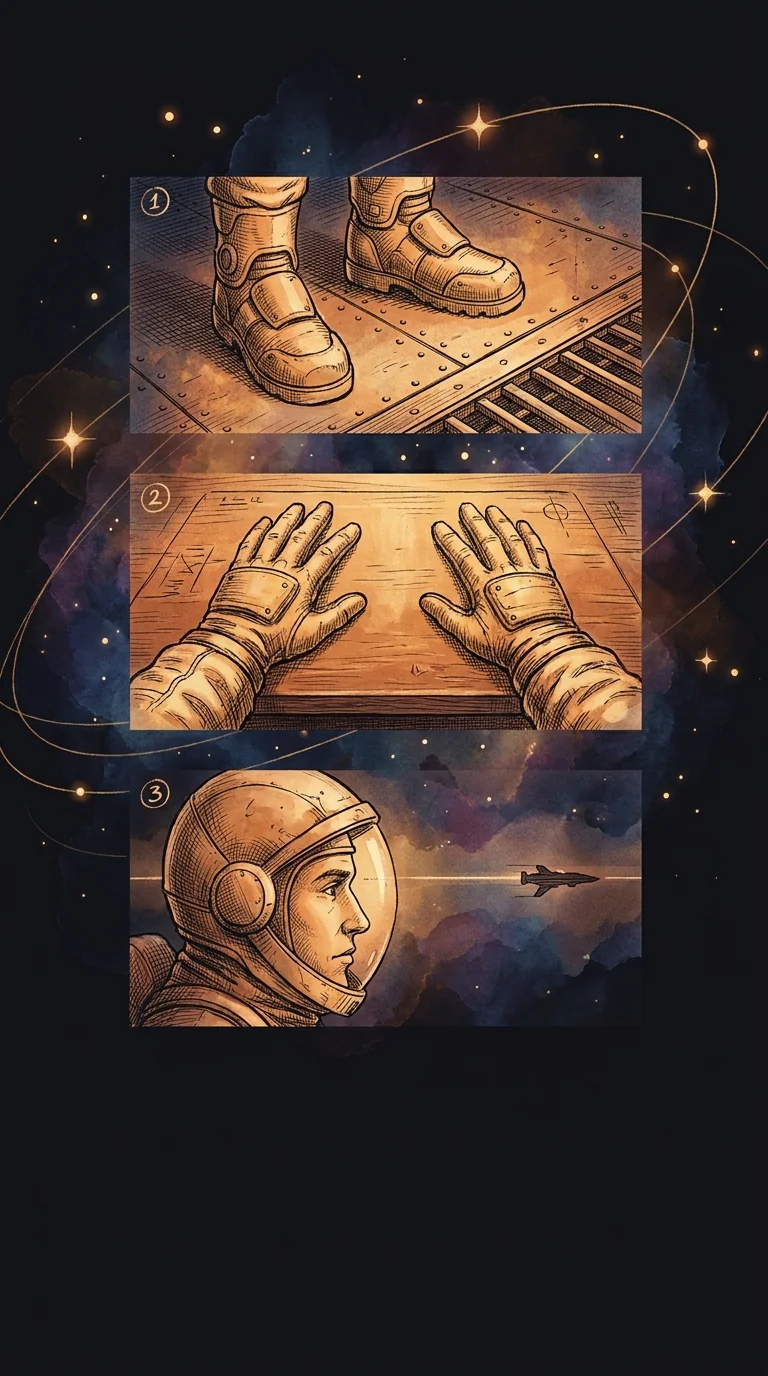
Step one: plant your feet and feel the floor. Step two: let your hands land somewhere visible — table, lap, podium — and park them. Step three: level your head and resist the urge to nod along like a dashboard ornament. Hold all three for ten seconds. The calm isn't an act — it's what's left when you stop performing.

Maria used to pace during presentations — three steps left, three steps right, hands flying. She tried the Lockdown before a funding pitch: feet planted, hands on the podium edges, chin level. Halfway through, an investor leaned over and whispered to a colleague, "She really knows her stuff." She hadn't changed a single word of her pitch.

Try it once today — just once. A meeting, a conversation, a moment where you'd normally fidget your way through. Plant three points, hold ten seconds, and notice what happens when you stop broadcasting static. Stillness isn't something you add. It's what's already there once you get out of its way.