The Cue You Become: Final Week
Twenty-seven days of reading cues, matching energy, and adjusting on the fly — and now the real question: what if you stopped scanning for cues and started being one?
Part 1: The Cue You Become: Final Week — Concept
+5 XP on completion
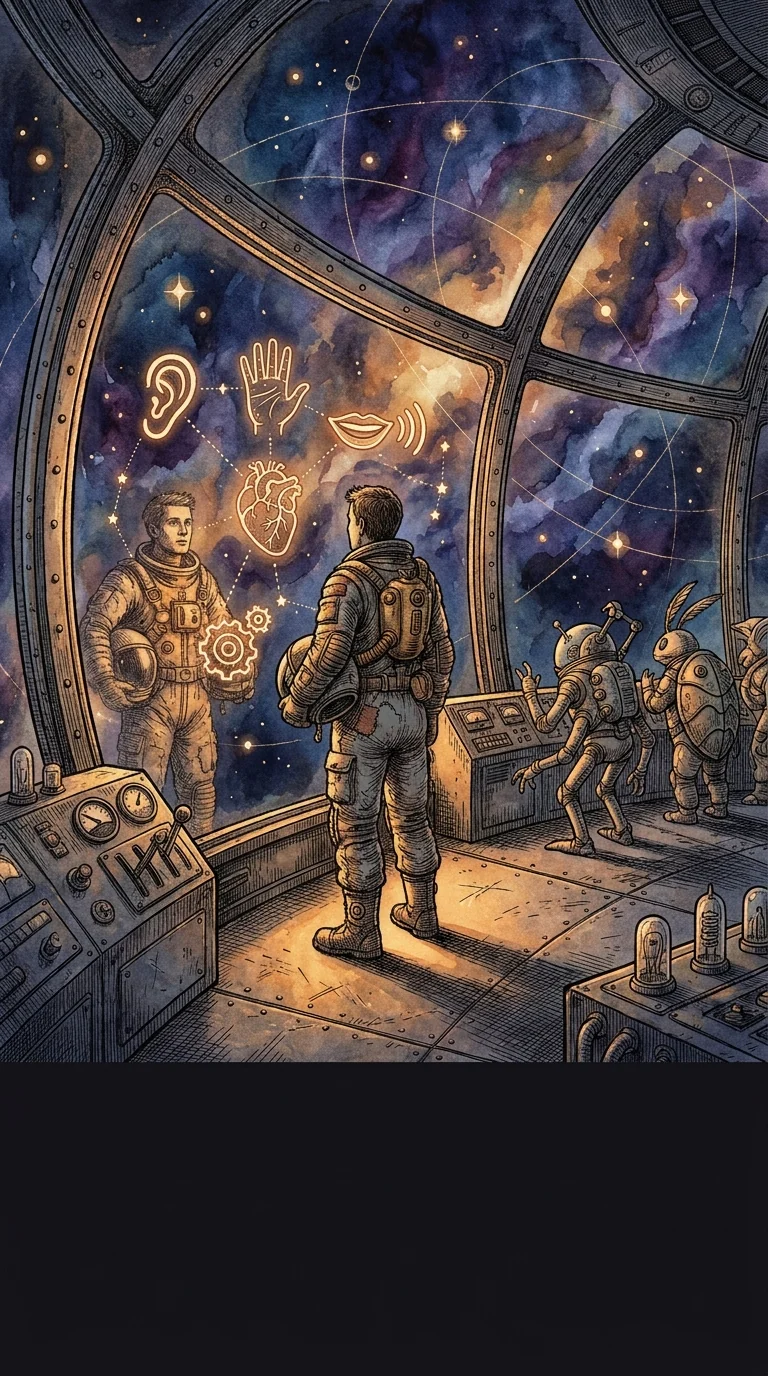
Twenty-seven days of reading cues, matching energy, and adjusting on the fly — and now the real question: what if you stopped scanning for cues and started being one?
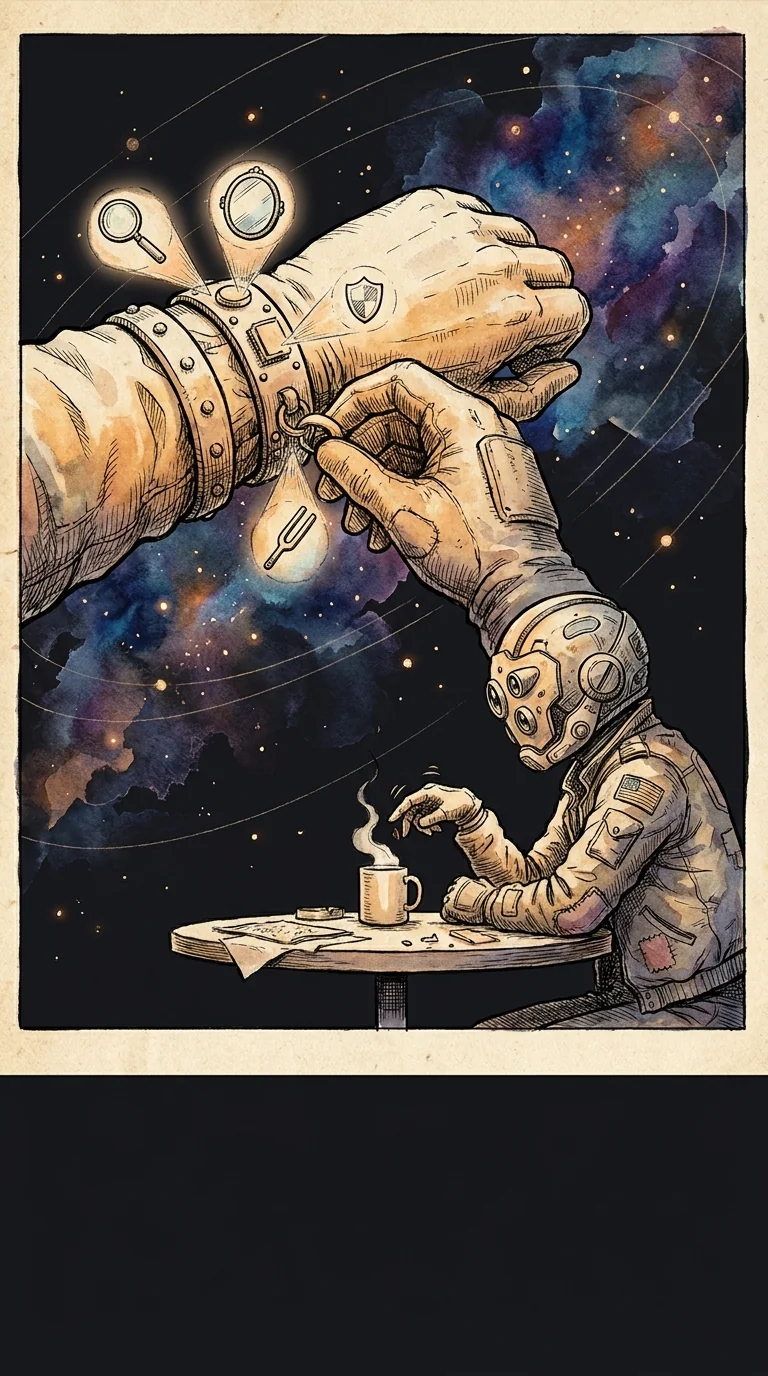
Most operators collect techniques like charms on a bracelet — one for active listening, one for mirroring, one for conflict. Then they fumble through the bracelet mid-conversation wondering which charm to grab. Clunky doesn't begin to cover it.
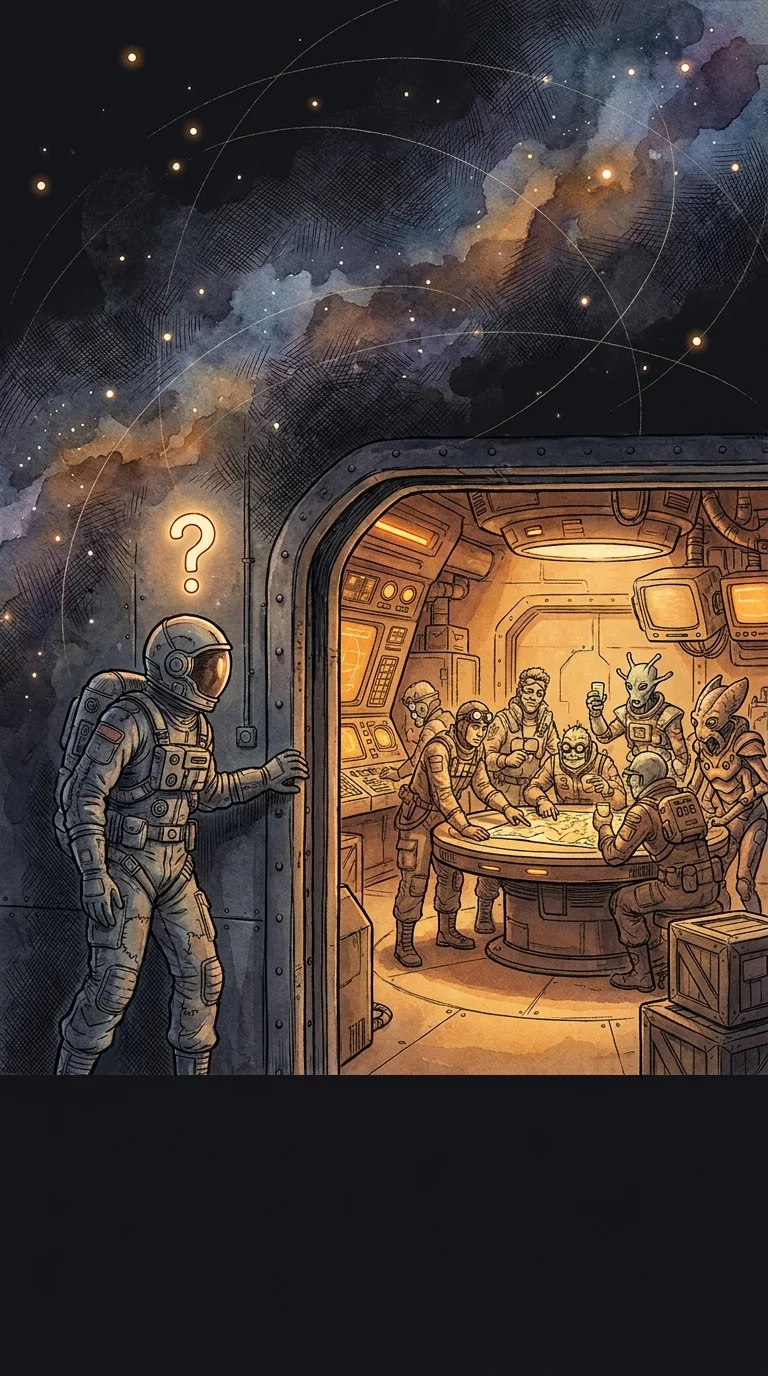
The shift happens when the techniques dissolve into a single instinct — one question you ask before any significant moment: what does this room need from me? Not what do I want to say. Not what's my role. What does this room need.
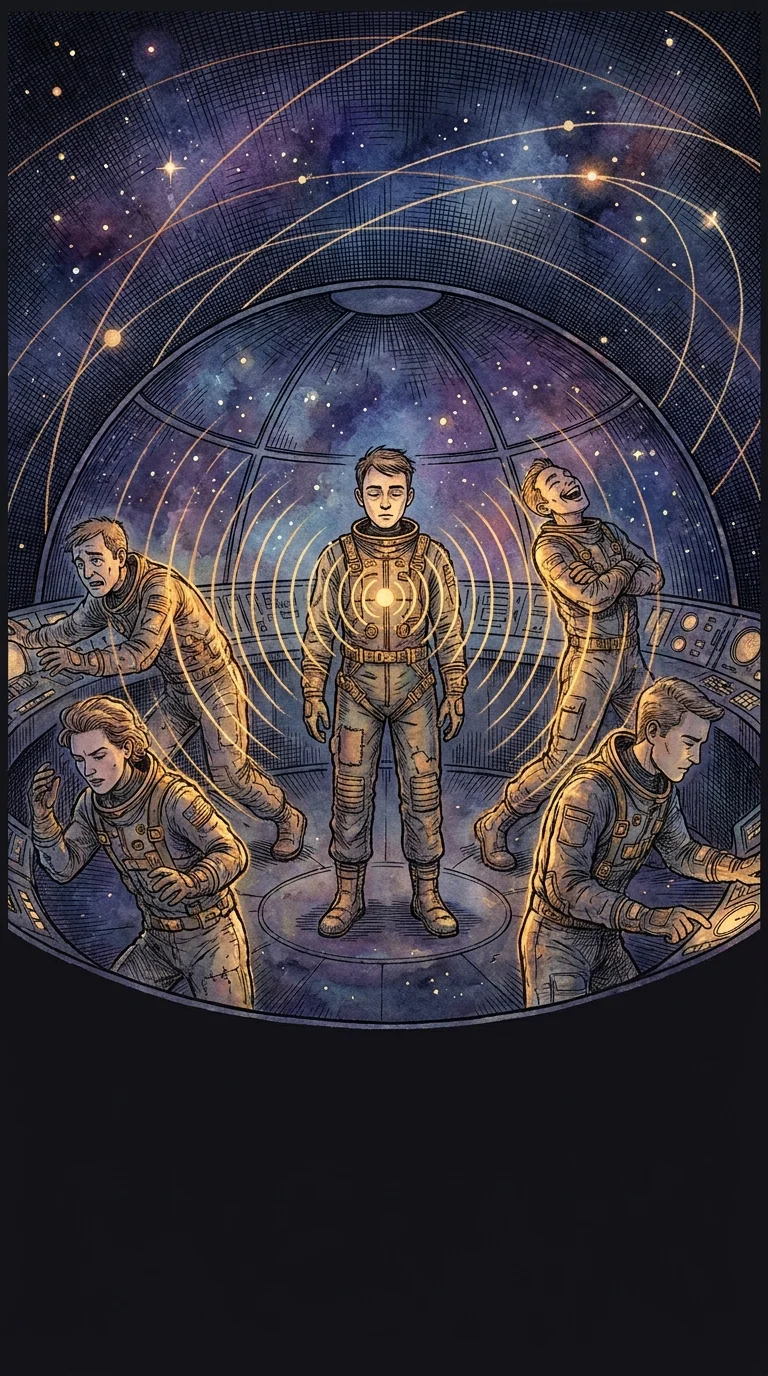
You walk in. You take one breath. In that breath you read the temperature, the faces, the unspoken weight hanging in the air — and your body already knows whether to bring warmth, stillness, challenge, or just a really well-timed silence. The question isn't a checklist. It's a tuning fork you've been calibrating for twenty-seven days.
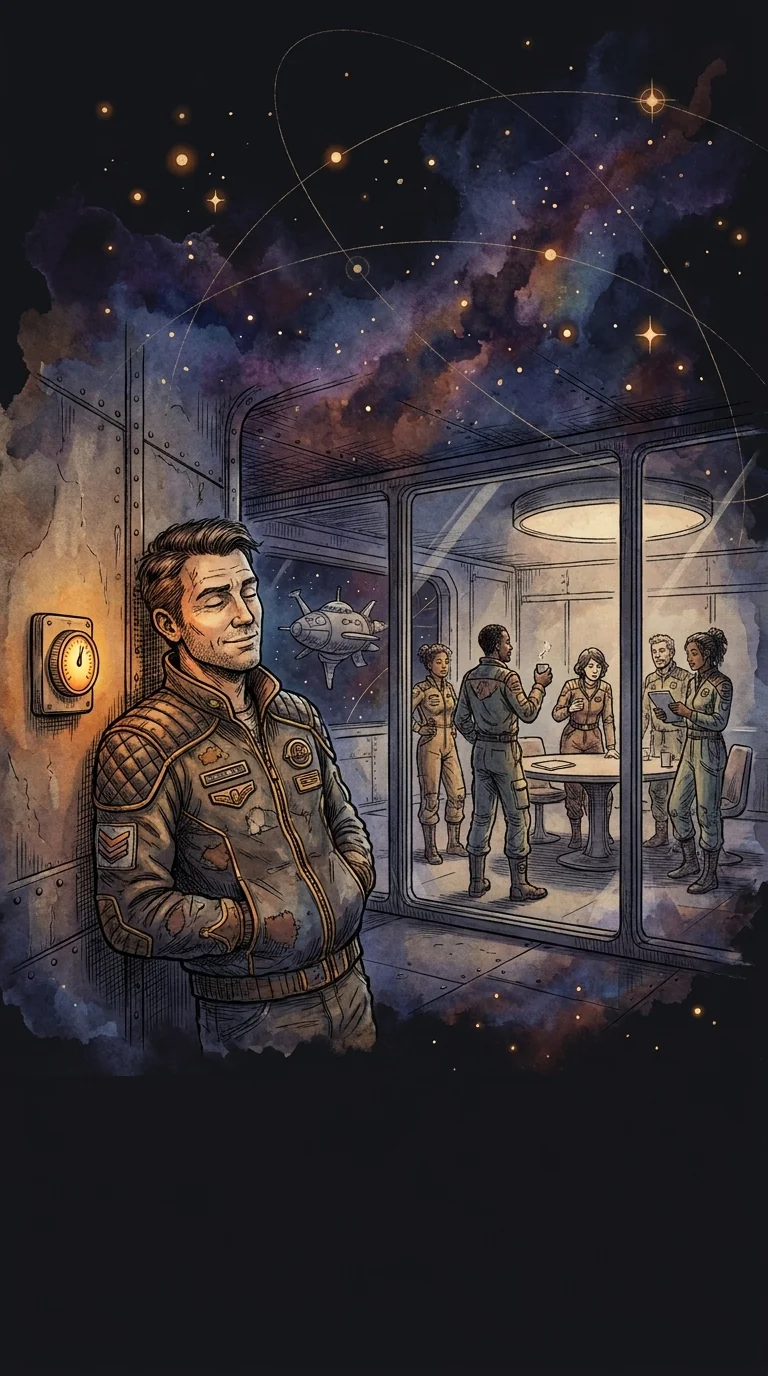
Marcus used to rehearse his opening line before every team meeting. Now he pauses in the hallway, asks the question, and walks in already adjusted — calm when they need calm, direct when they need direction. His team started calling him "the thermostat." He pretends he doesn't like it. He absolutely likes it.

You're not collecting tools anymore. You're becoming the instrument. In Part 2, you'll practice distilling everything into that single pre-moment question — and test it against real scenarios. See you there.
Part 2: The Cue You Become: Final Week — Practice
+10 XP on completion
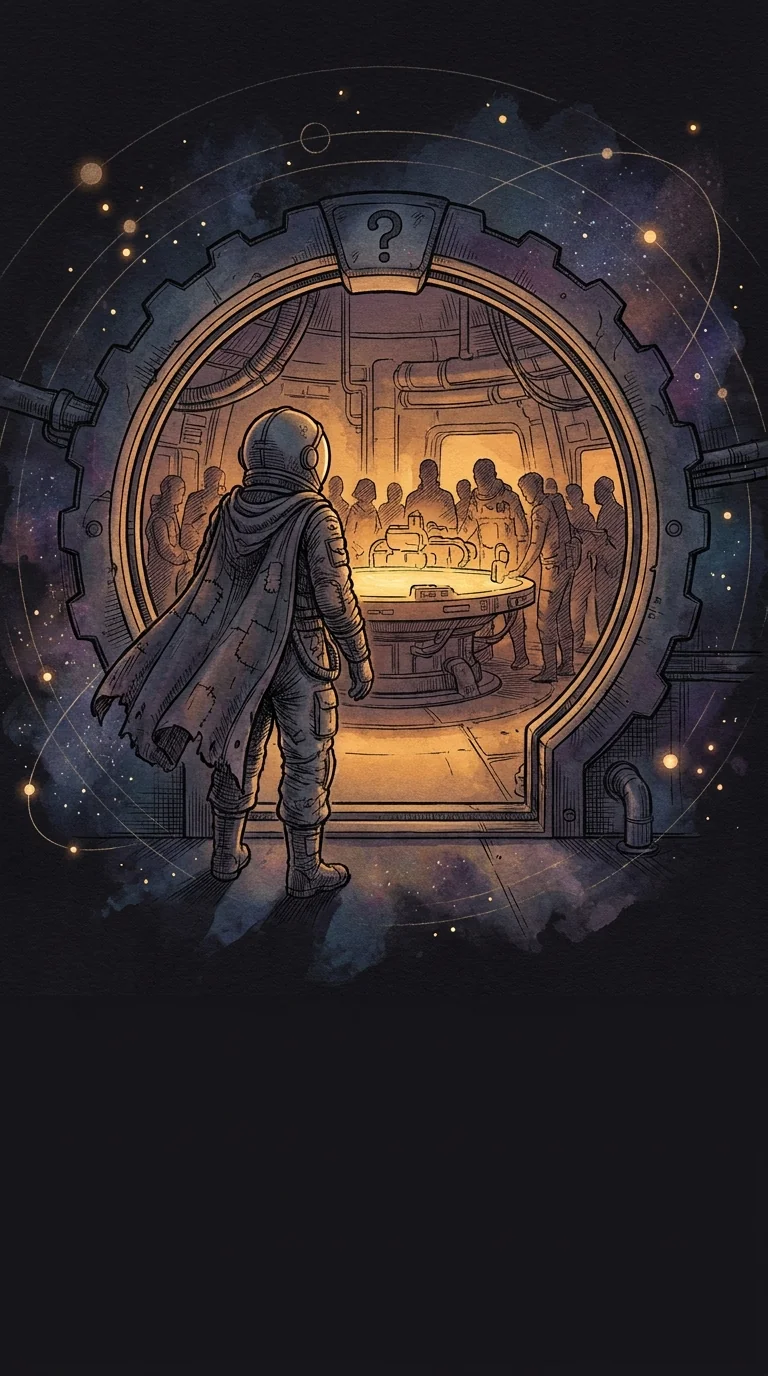
One question before every significant moment: what does this room need from me? That's not a mantra. It's a diagnostic tool you carry in your pocket.
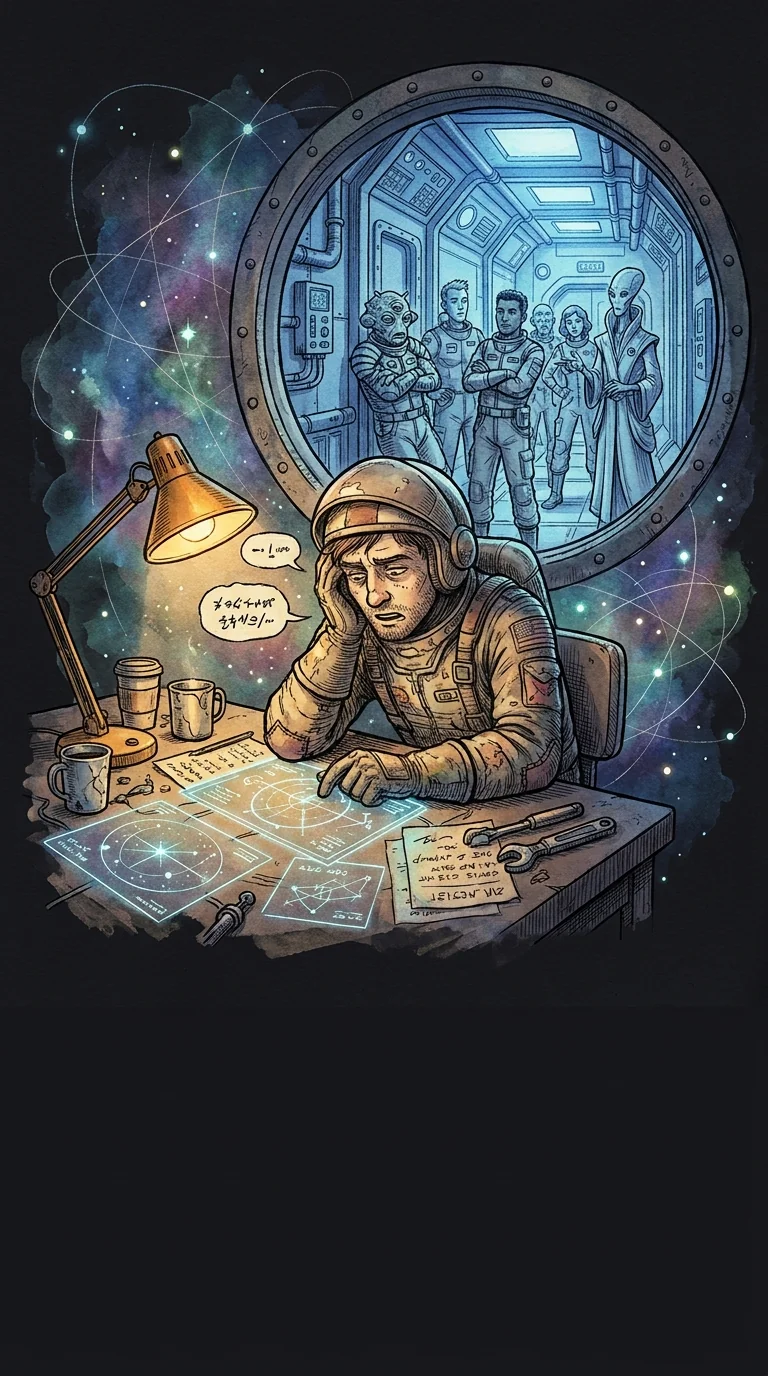
Most pre-meeting rituals are about you — reviewing your notes, rehearsing your talking points, calming your nerves. All inward. The room doesn't care about your prep. It cares about what you bring through the door.
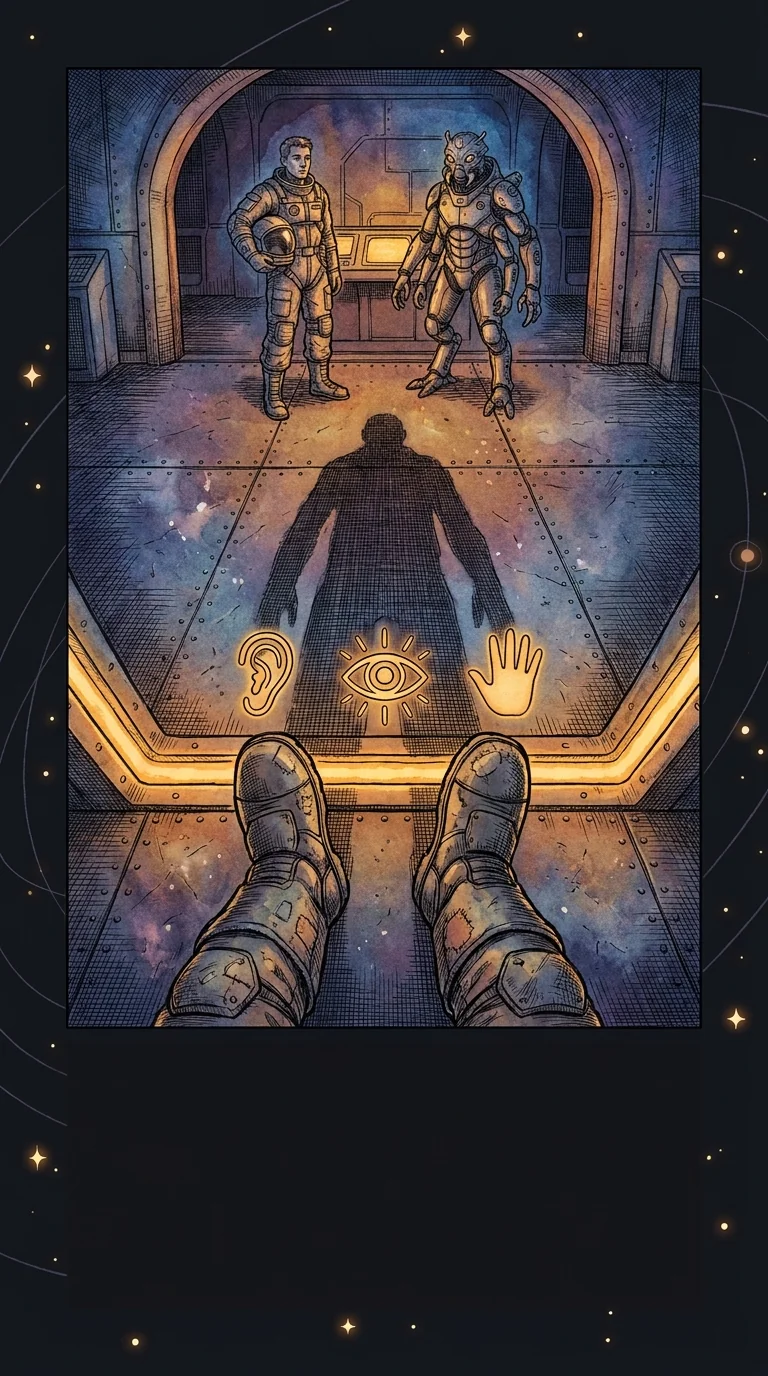
The technique is called the Threshold Check. You do it in the three seconds before you walk into any room that matters — literally at the door, or in the pause before you unmute.
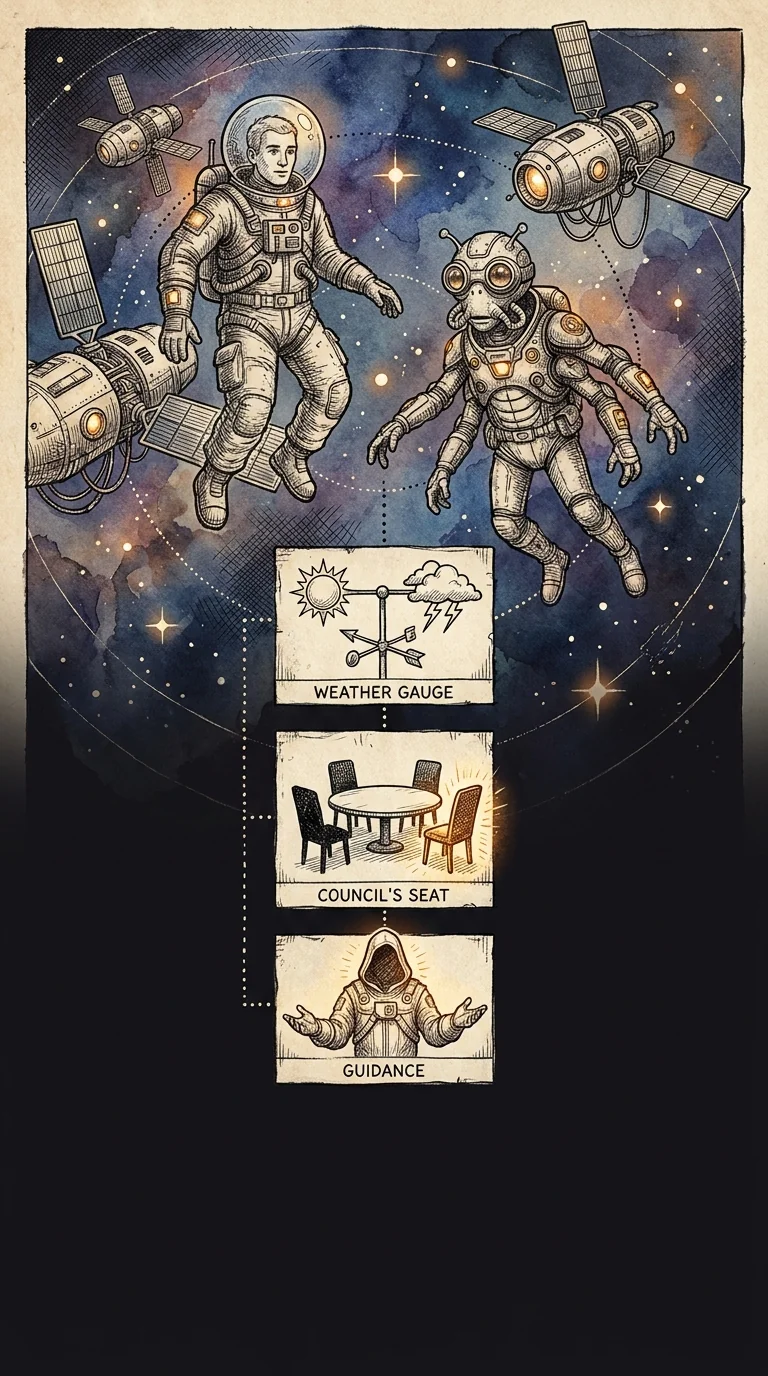
Three seconds. Three questions. One: what's the emotional weather in here? Two: what role is missing — listener, decider, stabilizer, challenger? Three: can I fill that role honestly? If yes, step in as that. If no, step in as someone who's paying attention. That's always enough.

Sarah used to barrel into team standups already talking. Now she pauses at her office door, reads the open chat, notes who's been quiet. Yesterday she walked in and said nothing for thirty seconds. Her engineer Marcus finally spoke up about a blocker he'd been sitting on for days. She didn't fix the room. She just left space for it to fix itself.
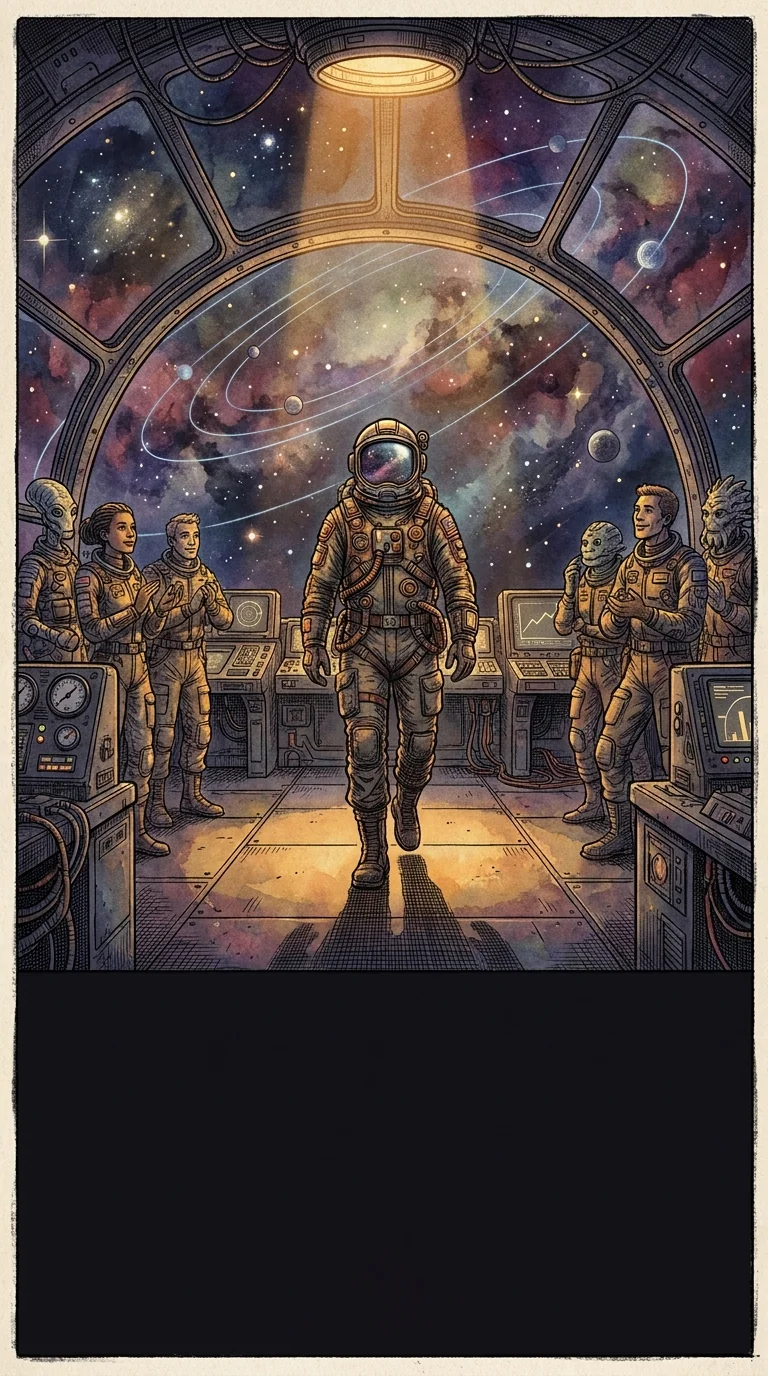
You've spent twenty-eight days learning to read rooms. Now the room reads you — and what it sees is someone who shows up on purpose. That's not a skill you learned. That's who you became.