Advanced Pattern Reading
You caught the crossed arms. You noticed the hesitation before "fine." You read each cue perfectly — and still missed what the conversation was actually saying.
Part 1: Advanced Pattern Reading — Concept
+5 XP on completion
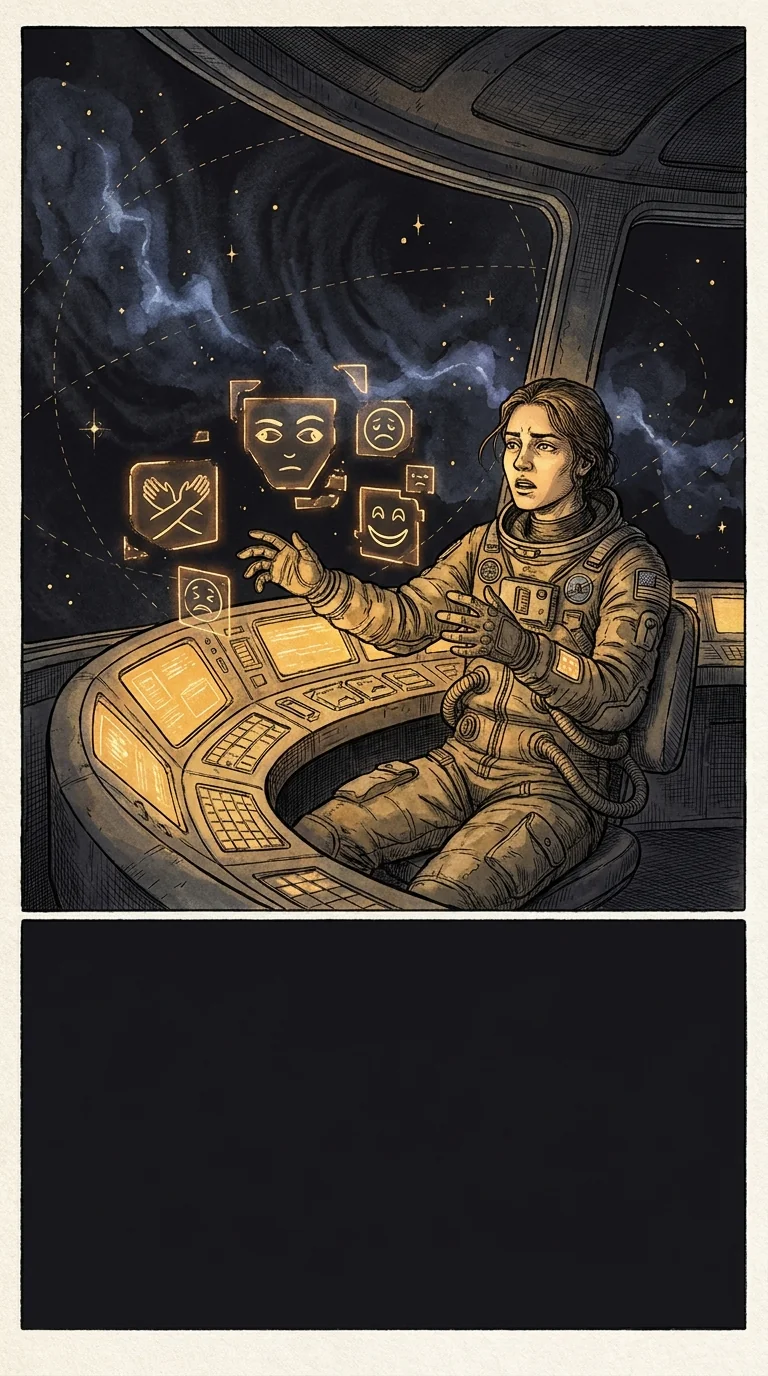
You caught the crossed arms. You noticed the hesitation before "fine." You read each cue perfectly — and still missed what the conversation was actually saying.
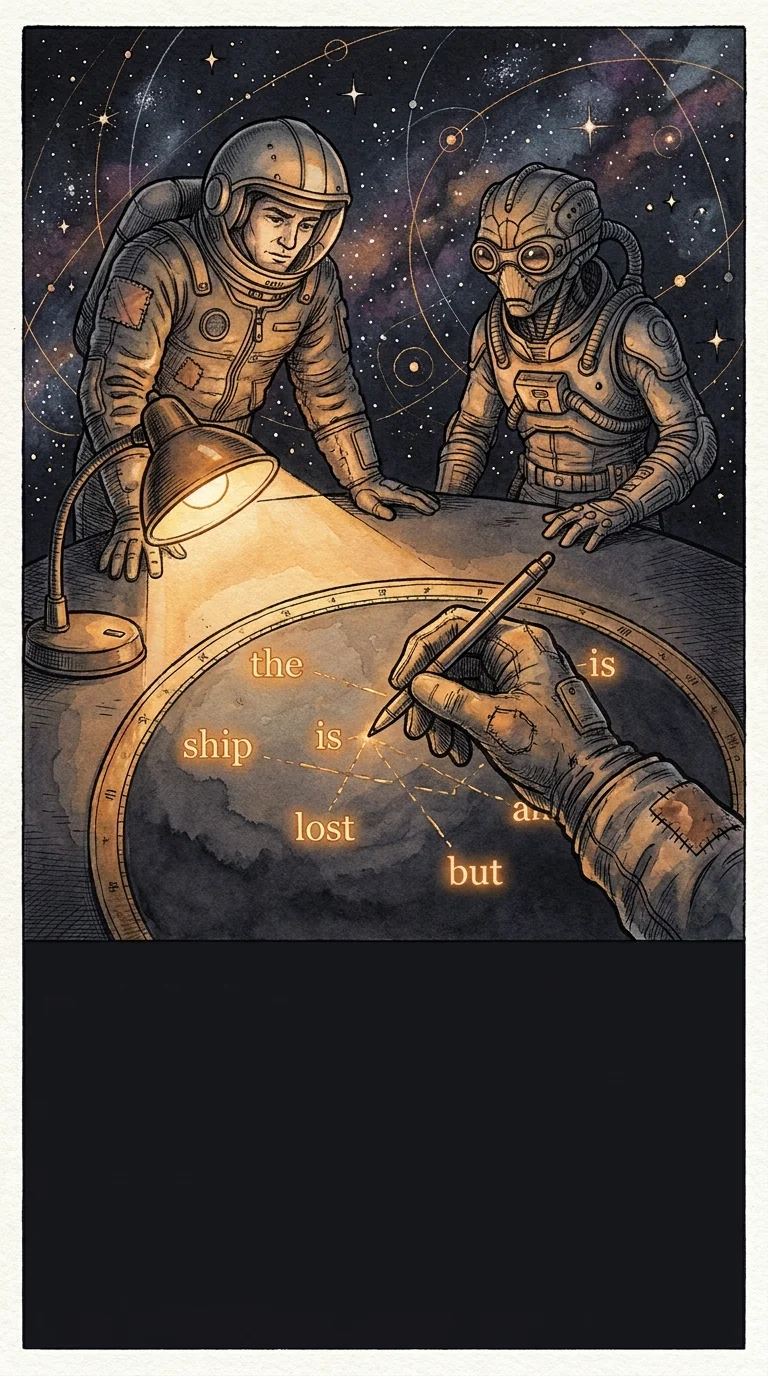
Reading individual cues is like reading individual words in a sentence. Technically accurate, functionally useless if you never string them together into meaning.

The real signal lives in sequences. A joke that lands flat, then a redirect, then silence — that's not three separate cues. That's one story: someone just stopped trusting the room.
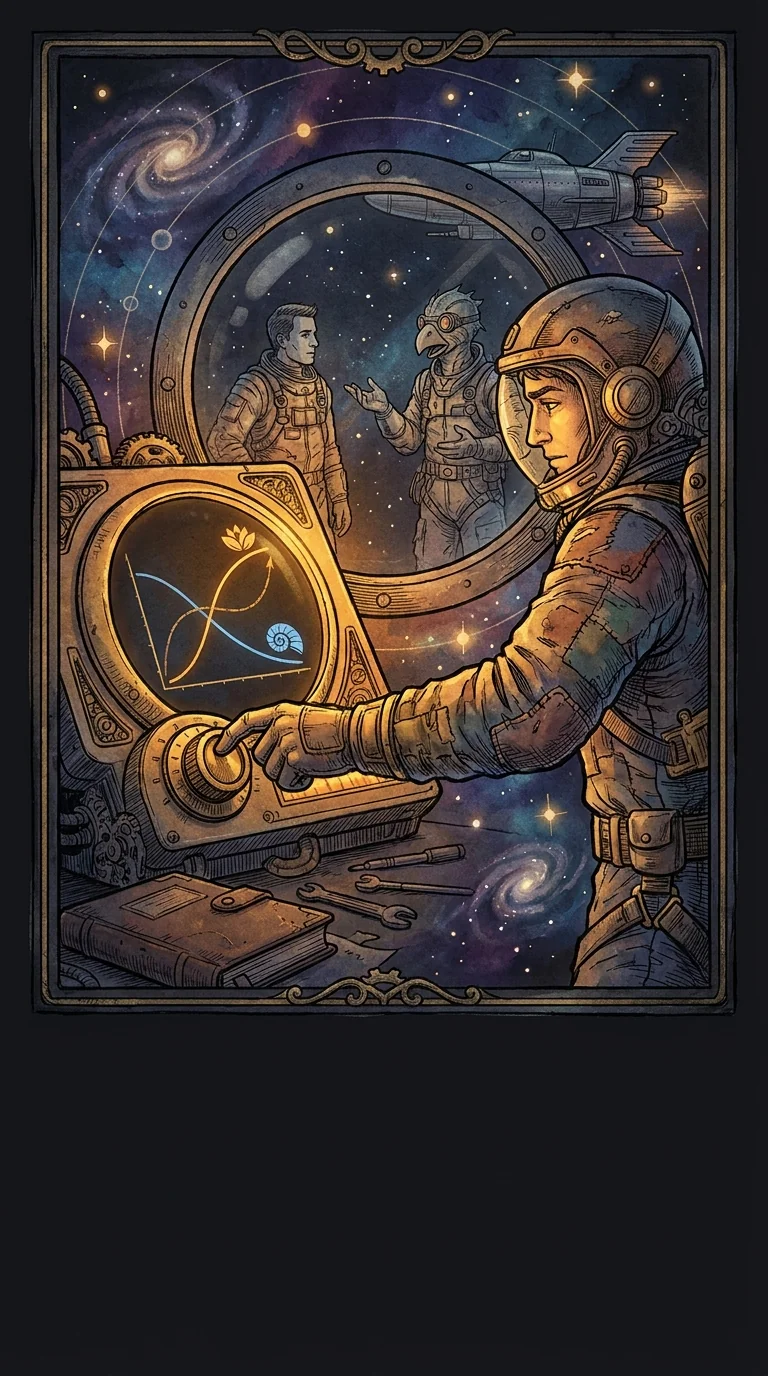
Track the trajectory, not the snapshot. Every few minutes, ask yourself: is this person opening up or closing down compared to ten minutes ago? The direction matters more than any single frame.
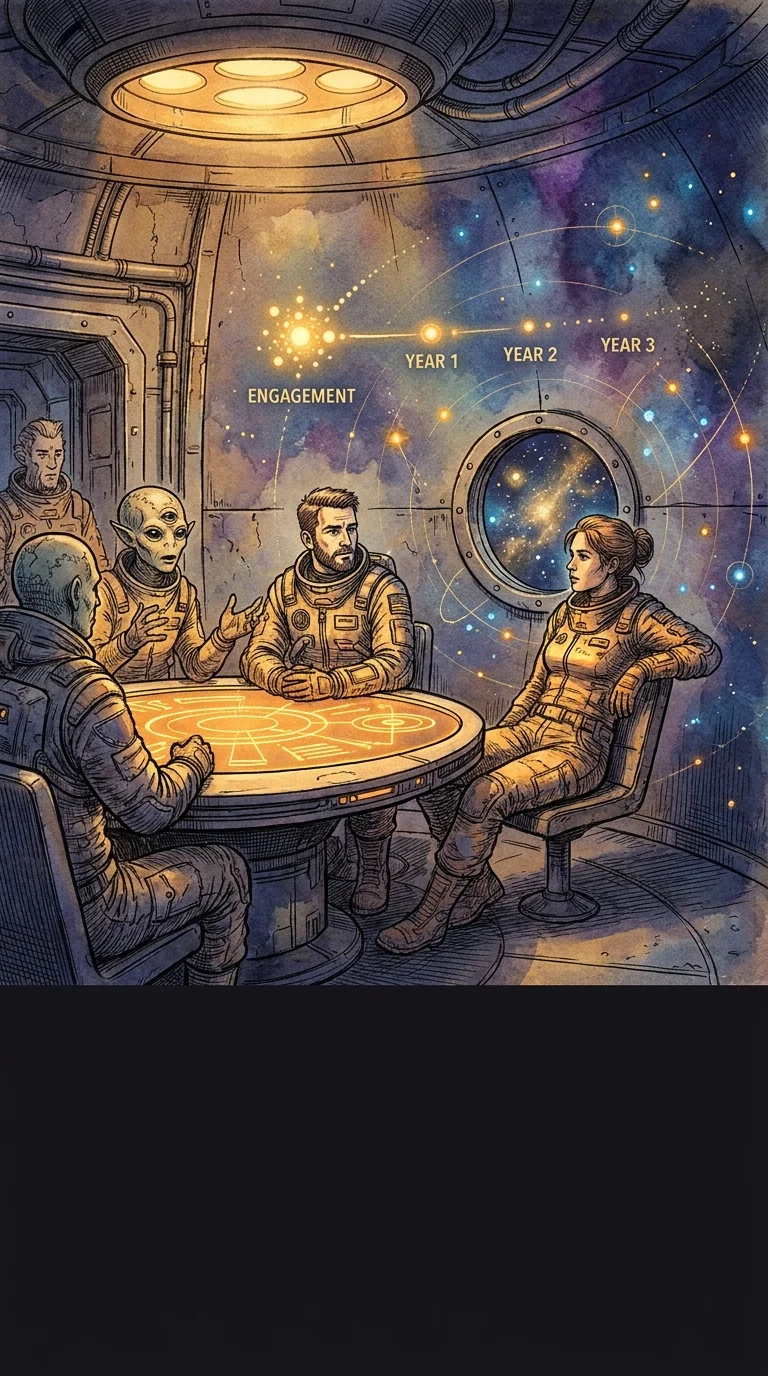
Marcus used to catalog cues like a checklist — posture, tone, eye contact, done. Then he started watching how Lisa's energy shifted across a whole meeting and realized: she'd checked out twenty minutes before anyone noticed. The pattern was screaming. The individual cues had been whispering.

Single cues are data. Patterns are intelligence. And you're ready to start collecting the kind that actually changes how a conversation ends. In Part 2, you'll practice tracking conversational trajectories in real time. See you there.
Part 2: Advanced Pattern Reading — Practice
+10 XP on completion
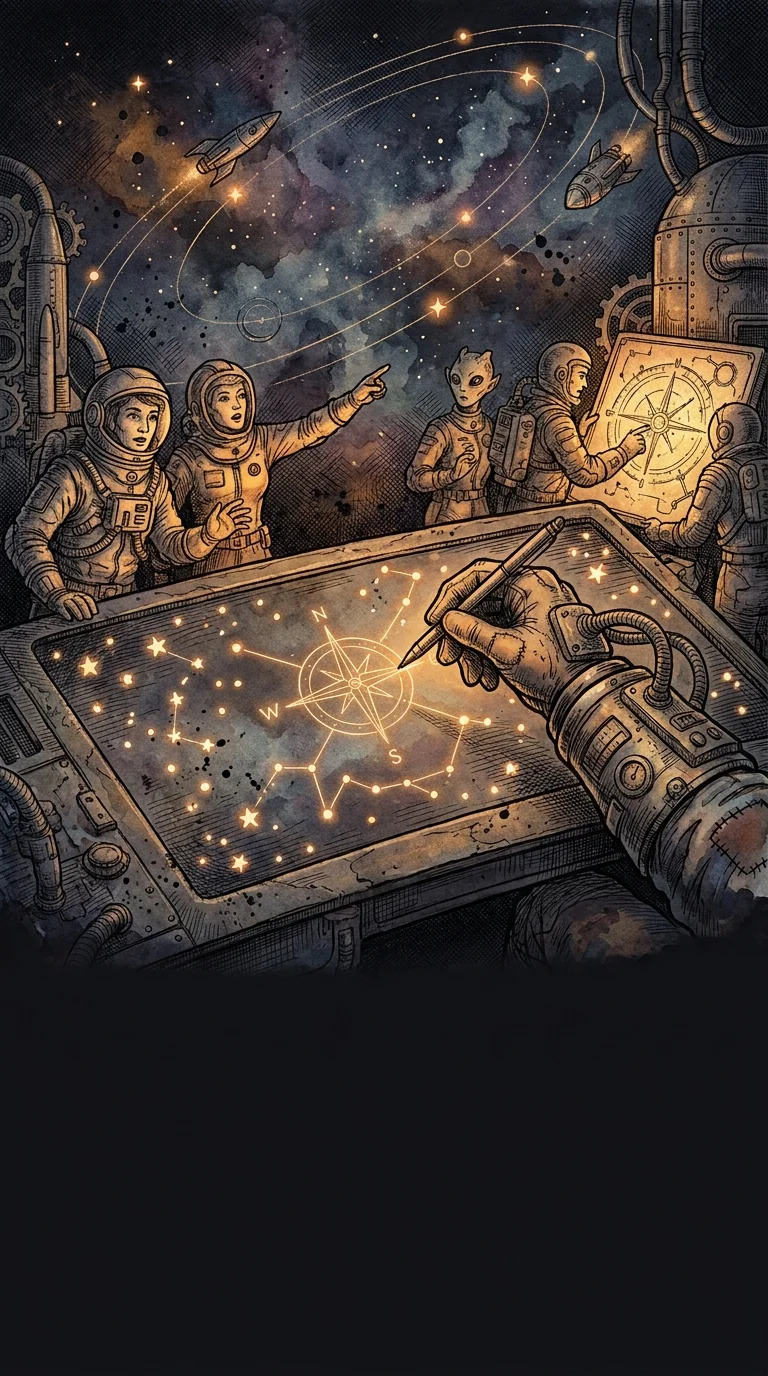
Individual cues are data points. Patterns across a conversation are the actual story — and the story is always more interesting than any single word.

Most pattern-reading fails because you're cataloging cues like a grocery list. Crossed arms — check. Short answers — check. Congratulations, you've built a spreadsheet when you needed a weather map.
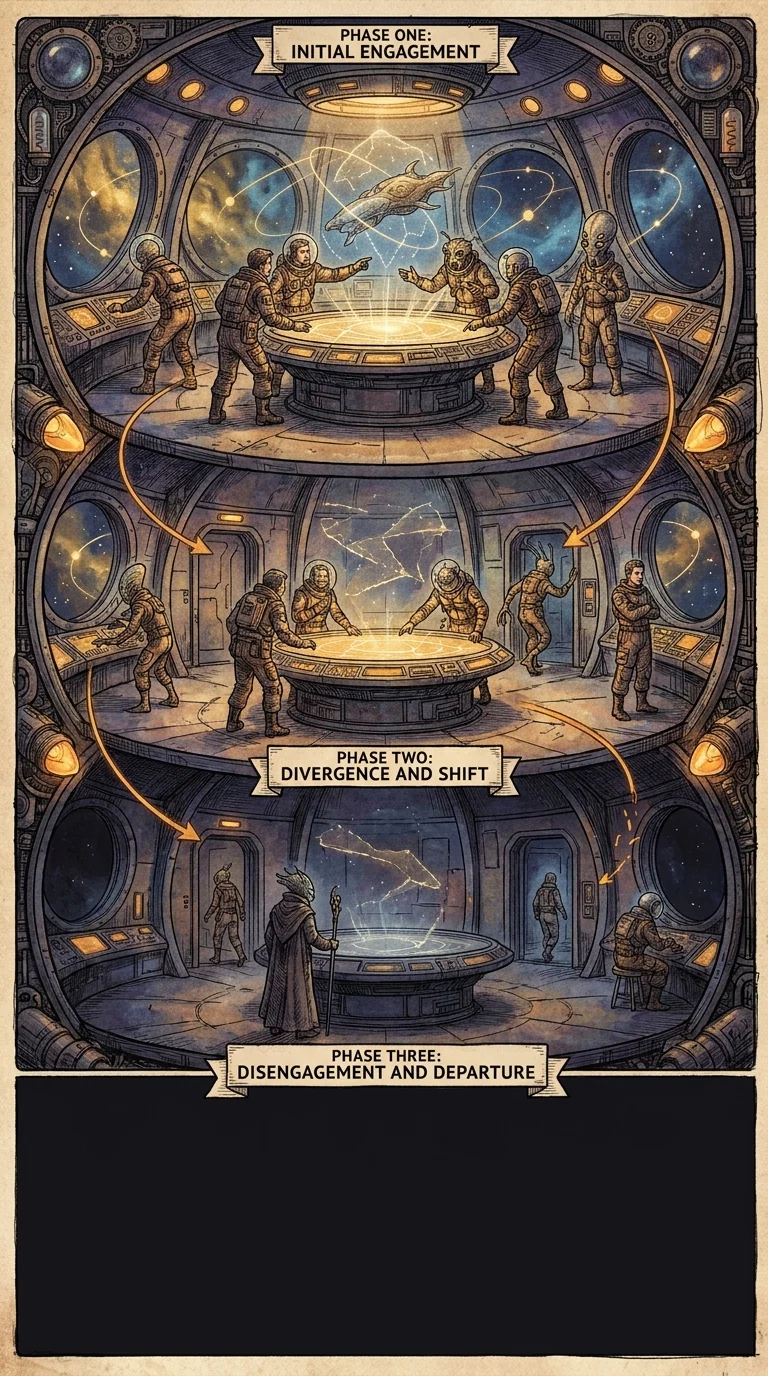
The technique is called the Three-Pass Scan. Instead of tracking every micro-expression in real time, you check the room's emotional weather at three intervals — beginning, middle, and late — and compare the trajectory.
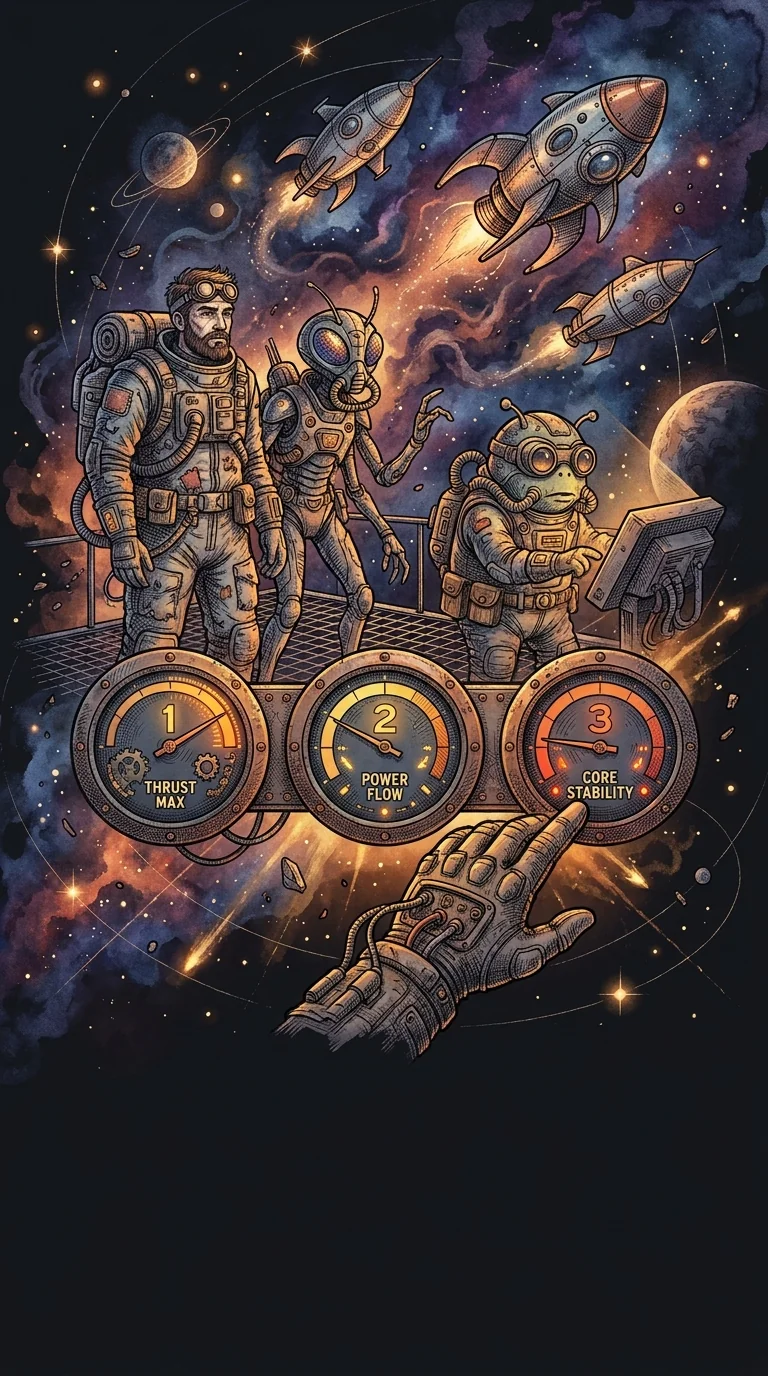
Pass one: note the room's baseline energy when things start. Pass two: check it roughly halfway — what shifted? Pass three: read the late-stage drift. The gap between pass one and pass three is your real signal. Direction matters more than any single frame.
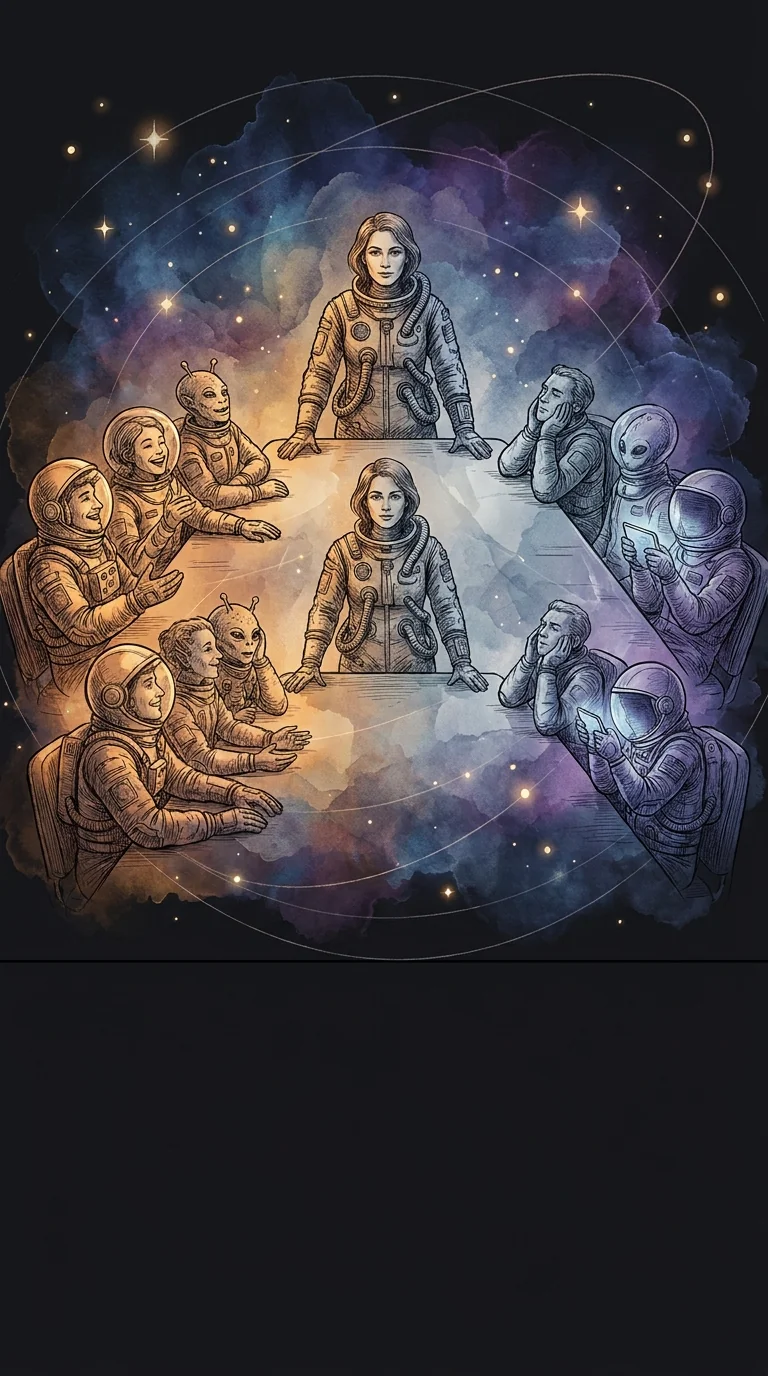
Lisa ran a team debrief after a rough project. Pass one: everyone was upbeat, cracking jokes. Pass two: two people had gone quiet while one kept dominating. Pass three: the quiet ones were checking their devices. She didn't need a single cue — the trajectory told her the real conversation had gone underground.

You don't need to catch every signal — you need to notice where they're headed. Run the Three-Pass Scan in your next meeting, and watch how much clearer the room becomes when you stop counting trees and start reading the forest.