The Daily Practice: Build, or Decay
You took the workshop. You highlighted the notes. Three weeks later you walked into a tense meeting and defaulted to every habit you thought you'd outgrown.
Part 1: The Daily Practice: Build, or Decay — Concept
+5 XP on completion
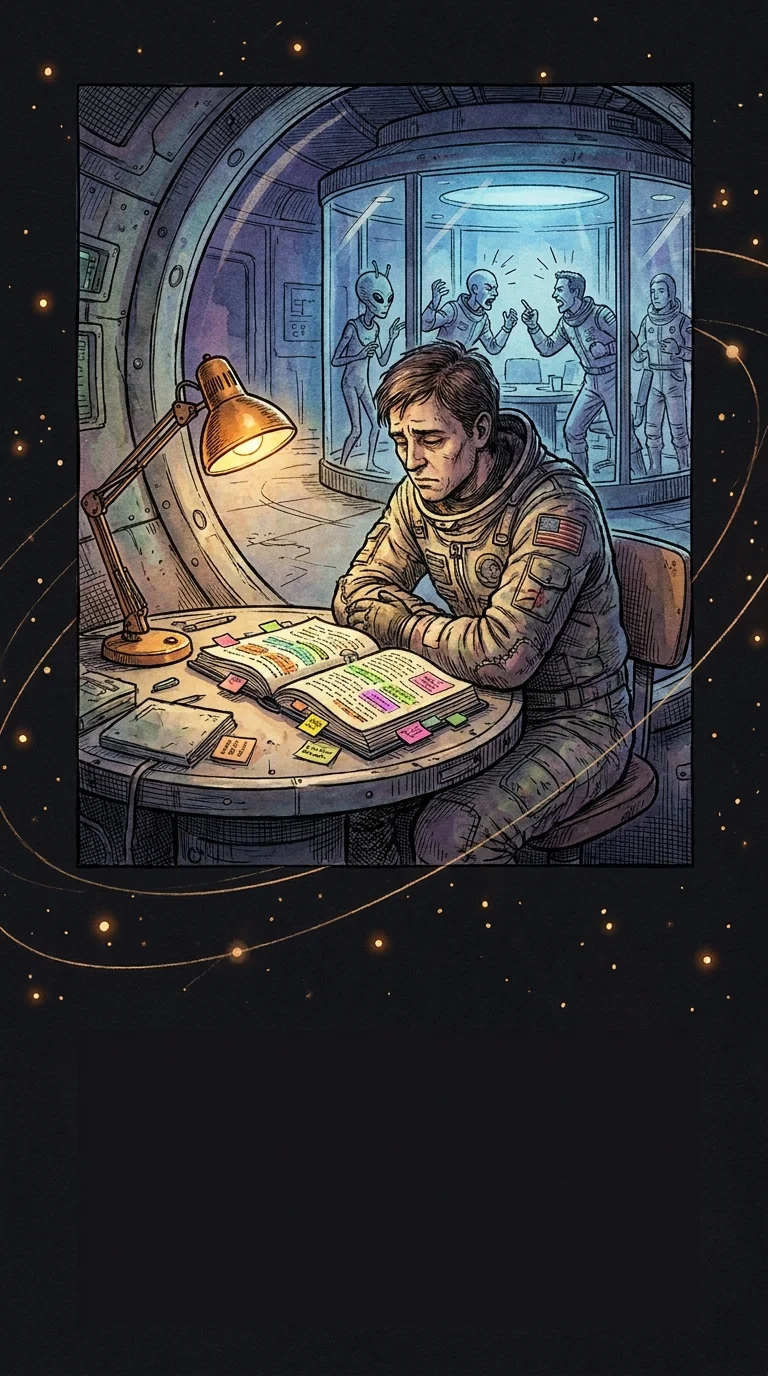
You took the workshop. You highlighted the notes. Three weeks later you walked into a tense meeting and defaulted to every habit you thought you'd outgrown.
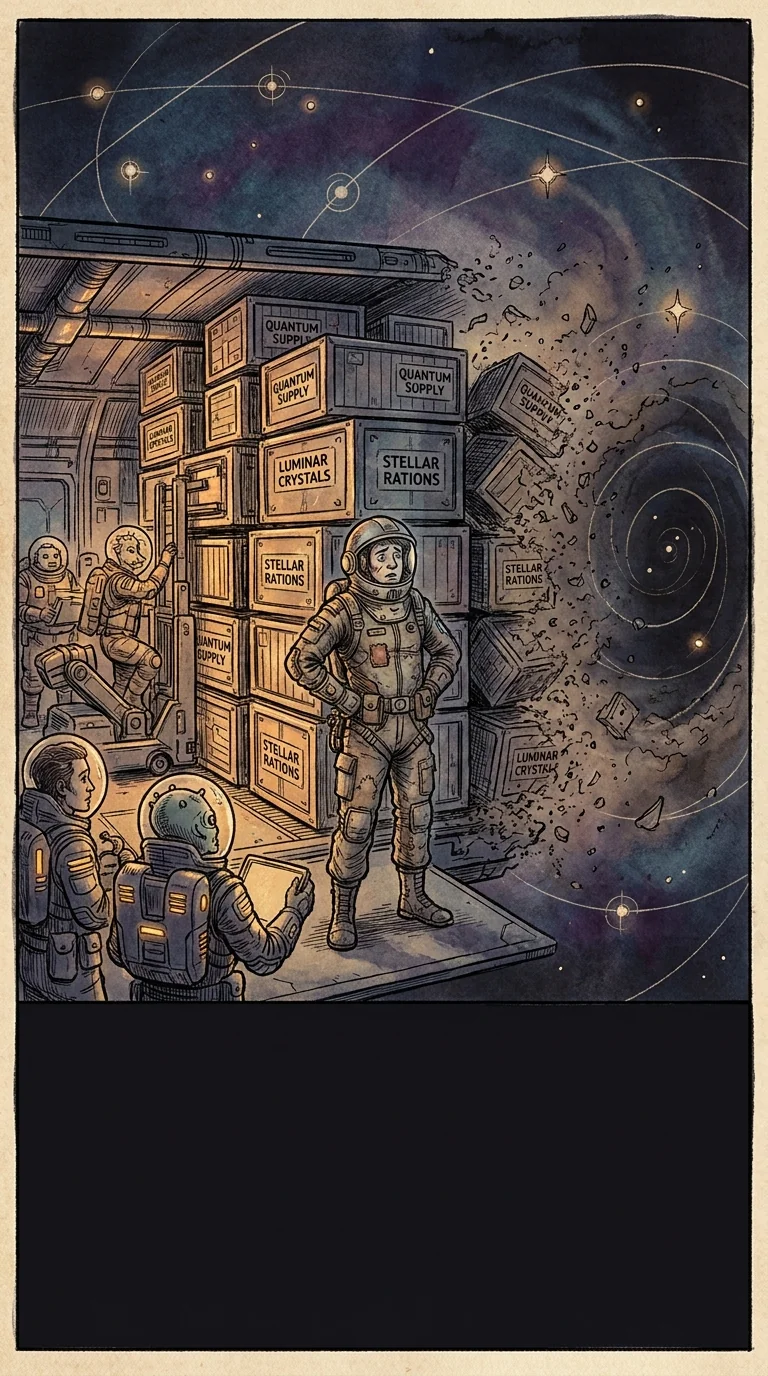
We treat skills like cargo — load them once, assume they'll stay in the hold. But reading a room isn't cargo. It's muscle, and muscle that doesn't get used doesn't politely wait around.

Decay isn't dramatic. It's quiet. You stop noticing the shift in someone's posture, stop catching the pause before they agree. One skipped day costs nothing. Thirty skipped days costs everything you built.
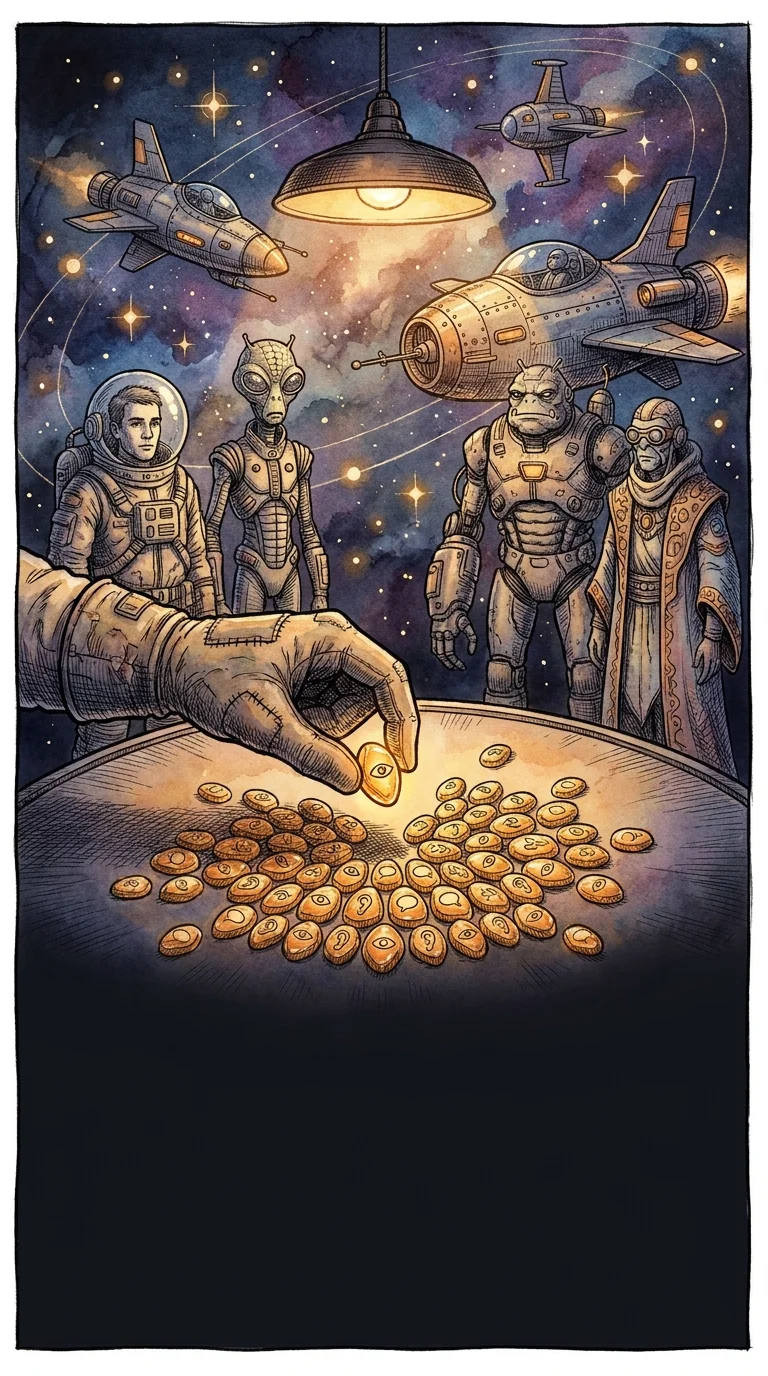
The fix is stupidly small. One real observation per day — not a review session, not a journaling marathon. One moment where you consciously clock someone's tone, posture, or unspoken hesitation. Daily reps, not annual renovations.

Marcus kept a tally mark on his wrist comm — one mark each time he caught a micro-expression before responding. After two weeks, he wasn't tallying anymore. He was just seeing. The reps had rewired the reflex.

Knowledge reviewed is knowledge fading. Knowledge practiced is knowledge becoming instinct. In Part 2, you'll practice building your own daily one-rep habit for reading rooms. See you there.
Part 2: The Daily Practice: Build, or Decay — Practice
+10 XP on completion

Skills don't coast — they either compound or they corrode. So the question isn't whether you'll practice today, it's whether you'll notice you didn't.
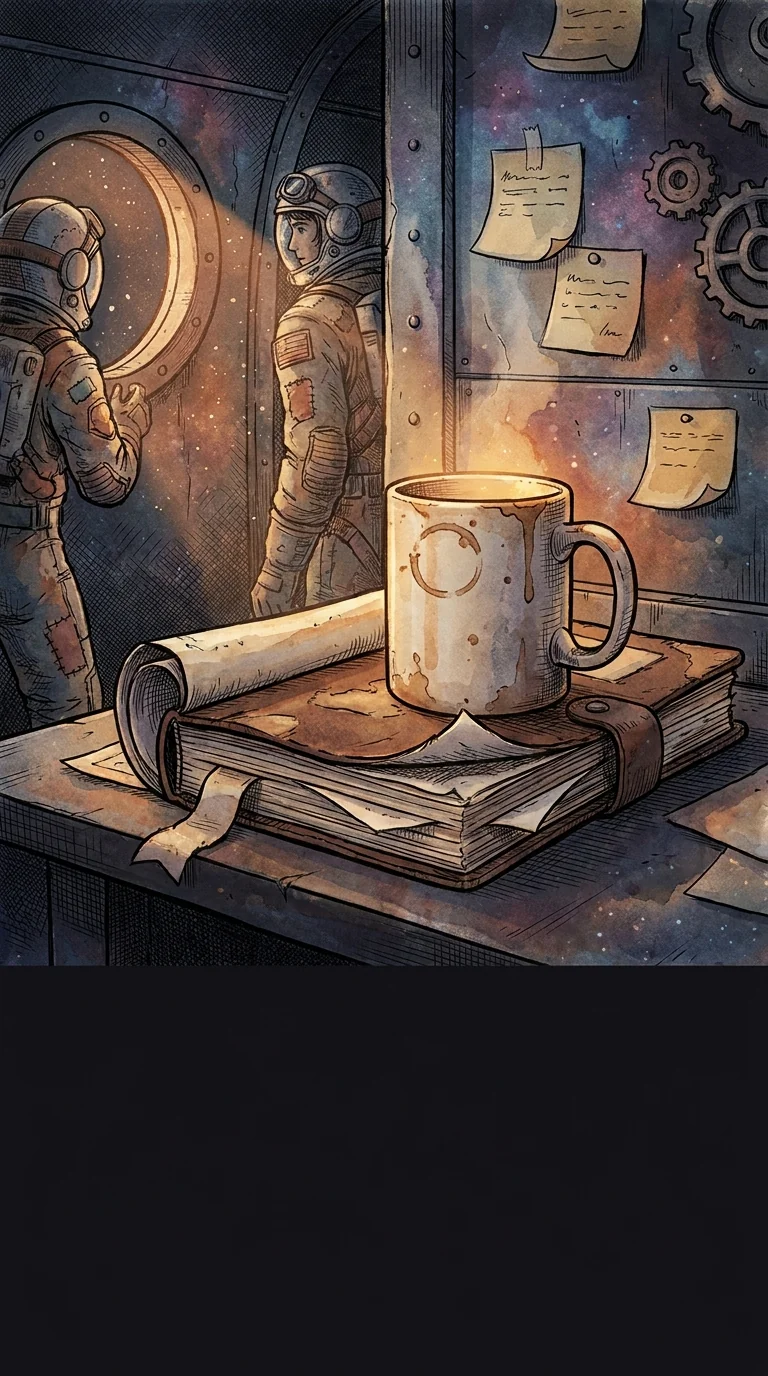
You took a great workshop. You filled a notebook. Three weeks later the notebook is under a coffee mug and you're back to your old defaults. Sound familiar?

The fix isn't more willpower — it's a smaller target. We're calling this the Three-Minute Scan, and it works because it's too short to skip.

Pick one interaction each day — any one. Before it starts: read the room for thirty seconds. During: try one skill you've learned here. After: ask yourself what you'd adjust. Three minutes, three steps, done.

Marcus tried it for a week — just one meeting a day, three minutes of attention. By Thursday he caught a tension shift he would've steamrolled right past on Monday. Small reps, real results.

You don't need an hour. You need three minutes and the stubbornness to do them again tomorrow. That's how rust becomes reflex.